




























London, 10 July 2026 — EBM Newsdesk Analysis — By Nick Staunton
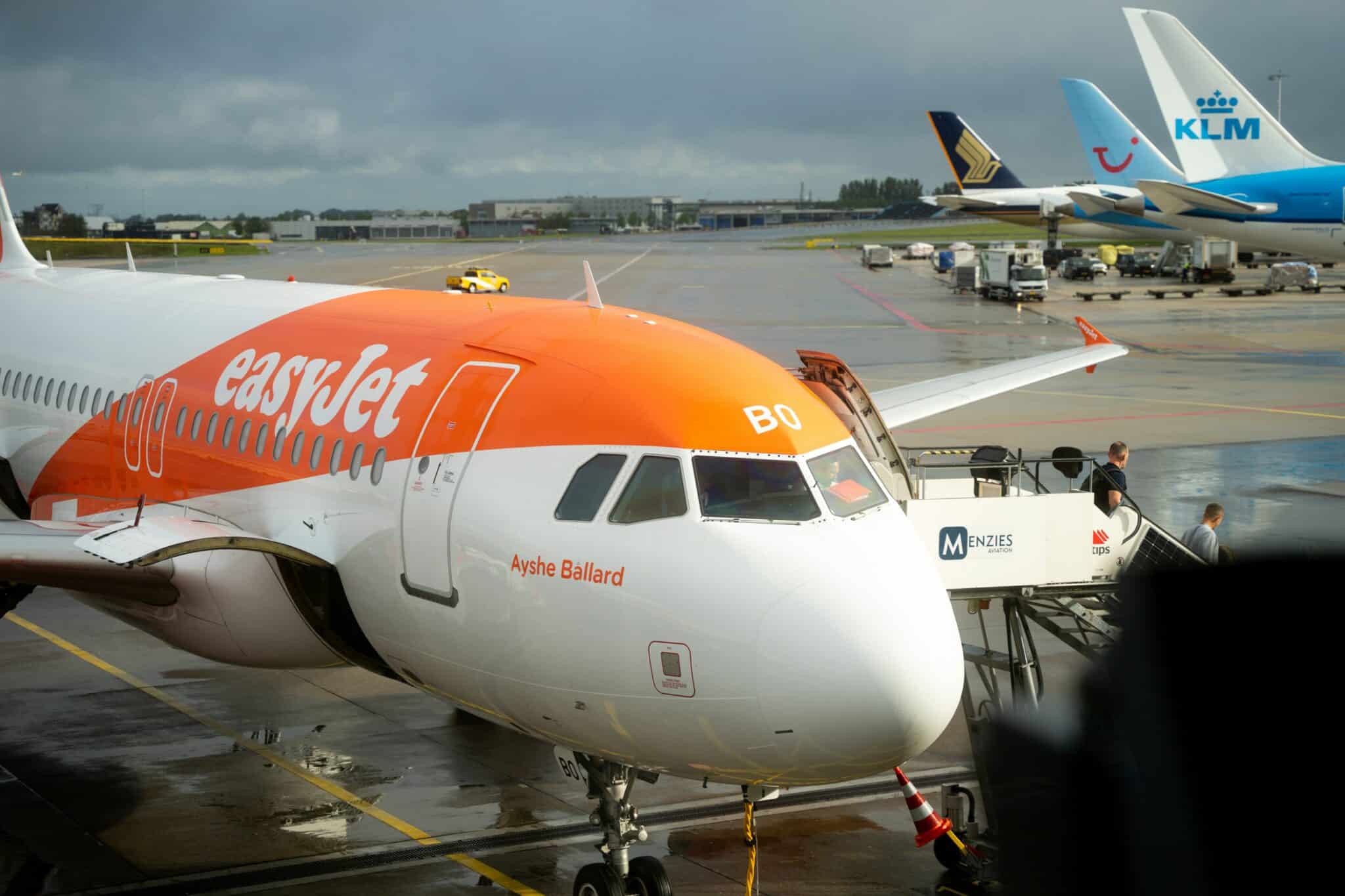
Apollo Global Management has gatecrashed the fight for easyJet, agreeing in principle to a £5.7 billion cash takeover on 10 July 2026 that tops the £5.5 billion deal easyJet had accepted from Castlelake just five days earlier. Apollo is offering £7.15 a share against Castlelake’s £6.90, and the board has already switched sides, saying it is “no longer minded” to recommend the deal it backed on Sunday. The detail that matters is the timing. Castlelake spent six weeks and five raised bids to win the board over. Apollo undid that in less than a working week, turning a settled deal into an auction.
This is the outcome easyJet’s directors spent a month trying to avoid. By naming a price it would accept, the board handed a floor to any rival with a chequebook, and Apollo simply stepped over it. The airline that argued for weeks it was undervalued is now the subject of a transatlantic bidding war it no longer controls.
Join The European Business Briefing
New subscribers this quarter are entered into a draw to win a Rolex Submariner. Join 40,000+ founders, investors and executives who read EBM every day.
SubscribeHow the price climbed
The numbers tell the story of how far this has moved. Castlelake’s opening approach last month valued easyJet at around £4.7 billion, and the board rejected it out of hand as “opportunistic.” What followed was a slow climb: five separate offers at £5.60, £6.00, £6.25, £6.50 and finally £6.90 a share. The board only agreed in principle last Sunday.
Apollo’s £7.15 is only about 3.6% more per share. But it is an 81% premium to where easyJet traded on 28 May, the last day before Castlelake’s interest became public. That gap shows how badly the airline had been beaten down before the bidders arrived, not how generous the final price is.
The cause of that collapse was the Iran war. Higher jet fuel costs and disrupted bookings knocked more than a third off easyJet’s share price. The airline reported a headline loss of £377 million for the six months to March, even as revenue grew 12% to £3.95 billion. The bidders are buying a good business at a price the war made cheap.
Why Apollo won the board
Apollo did more than pay a little more. It removed the two things that made shareholders nervous about Castlelake.
The first was the fear of a breakup. Analysts had pointed to the value locked in easyJet’s aircraft, its Airbus order book, its slots at busy airports and its growing holidays arm. There was a worry that Castlelake, an asset manager, would pull those pieces apart for parts. Apollo has instead pledged to back easyJet’s existing strategy and keep the business whole.
The second was the brand. easyJet does not own its own name outright. It licenses it from easyGroup, the vehicle of founder Sir Stelios Haji-Ioannou, who with his family owns about 15% of the airline and collects a royalty on its sales. Apollo has promised to keep that arrangement and let existing shareholders roll their stakes into the private company. For the airline’s single most influential shareholder, that pledge is close to decisive.
The problem both bidders share
Here is the obstacle neither American firm can wish away. European rules require an EU airline to be majority-owned and controlled by European nationals to keep its flying rights. Both Apollo and Castlelake are US firms. Castlelake is owned by Canada’s Brookfield.
Castlelake tried to solve this by putting two Irish executives, Peter Bellew and Mark Breen, in charge of a European vehicle holding 51%. Regulators would still have demanded that the money behind that vehicle came from within Europe. Apollo will face the same test, and says it will take “all necessary steps” to win clearance, including under the EU’s Foreign Subsidies Regulation. That is not a formality, and it is the single biggest reason easyJet shares still trade below both offer prices.
What happens next
Nothing is signed. Under British takeover rules, Castlelake must decide by 3 August whether to make a firm offer or walk, and Apollo has until 7 August. That leaves an obvious opening for Castlelake to come back higher, and for a genuine bidding war to run into August. It also lands in the middle of a wider scramble for European airlines, with several of the continent’s biggest carriers fighting over TAP Air Portugal at the same time.
There is a bigger picture behind the numbers. easyJet was founded in 1995 and listed in London in 2000. If either bid succeeds, another well-known British company leaves the public market and passes into American private hands — the same transatlantic imbalance in valuations that has made European assets a hunting ground all year.
For easyJet shareholders, the auction is good news. For the London market, it is one more household name heading for the exit. And for the board that insisted the airline was worth more, the lesson is uncomfortable: they were right, and it cost them control.
Related Analysis