





























EBM NEWSDESK ANALYSIS-Nick Staunton
Britain is set for its seventh Prime Minister in a decade. Gilt markets have already cast their verdict — and it isn’t a vote of confidence.
Seven Prime Ministers, One Decade
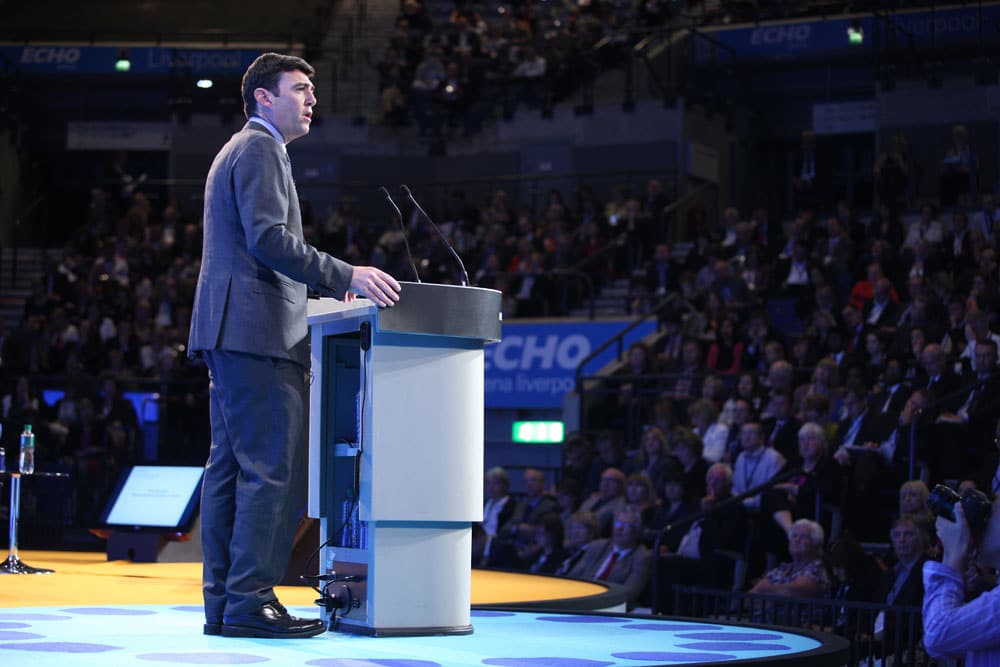
Andy Burnham looks set to become Britain’s seventh Prime Minister in around a decade, a remarkable level of political upheaval for a developed economy. Combined with the lingering effects of Brexit, the revolving door at Number 10 has tarnished the UK’s reputation as a stable place to do business and made it harder to attract the long-term investment needed to drive stronger economic growth.
His path has cleared considerably. The pound is languishing at multi-month lows, borrowing costs remain highly elevated, and the domestically focused FTSE 250 has sunk further into the red. While some uncertainty may be easing as Burnham’s route to Number 10 appears increasingly settled, he remains an unproven economic force, and unease looks set to linger well beyond any formal handover.
Join The European Business Briefing
New subscribers this quarter are entered into a draw to win a Rolex Submariner. Join 40,000+ founders, investors and executives who read EBM every day.
SubscribeWhy Bond Markets Are Unlikely to Extend Easy Credit
This is the question investors keep returning to, and the bond market’s answer so far has been blunt. UK gilt yields have moved sharply against Burnham’s rise rather than in his favour. The yield on the benchmark 10-year gilt surged more than 17 basis points to 5.165% on the day his challenge gathered momentum, while the 30-year gilt added 19 basis points to 5.840% — both touching levels last seen in 1998. The UK already carries the highest borrowing costs in the G7, and that position has only hardened as Burnham’s prospects have firmed.
The mechanics of why lenders are pulling back are straightforward. Gilt investors are pricing Burnham as a tack to the left of Starmer, anticipating looser fiscal discipline, higher borrowing and greater willingness to test market tolerance. As Nigel Green, CEO of deVere Group, put it: investors will immediately associate his leadership with heavier state spending and a greater willingness to test market tolerance on borrowing. Ebury’s head of market strategy has gone further, labelling the market risk posed by a Burnham premiership “very high.” The practical consequence is that the UK now faces materially higher costs every time it issues new debt — and at a moment when borrowing is already rising, that is not a marginal problem. It is a direct tax on the government’s room to manoeuvre, with every additional basis point translating into billions in extra annual debt-servicing costs across the UK’s enormous gilt stock.
Trying to Make Peace With the Market
Burnham has attempted to reassure investors directly. After previously suggesting Britain was “in hock to the bond markets” — comments that spooked traders and sent yields spiking in September — he rowed back markedly, telling ITV News: “I have never said you can just ignore the bond markets.” He has signalled he will largely stick to fiscal rules, take a more cautious approach to spending, and has notably brought in figures designed to project market credibility: Ed Miliband advising on fiscal discipline, Andy Haldane, former chief economist to the Bank of England, Jim O’Neill, previously chief economist at Goldman Sachs, and Richard Hughes, former chair of the OBR.
The market’s verdict on this charm offensive has been cautiously, conditionally positive rather than fully reassured. Gilt yields actually shrugged only slightly higher on the morning Burnham secured his decisive by-election win — a muted reaction analysts attributed largely to the result already being priced in, alongside a favourable inflation print that had little to do with Burnham at all. As Neil Mehta of RBC Bluebay Asset Management observed, the market is “literally hanging on every word Burnham says on the economy and fiscal rules” — a fragile peace that depends entirely on continued rhetorical discipline rather than settled confidence in the underlying policy programme.
Interventionist Instincts Under Scrutiny
Investors will also be scrutinising how Burnham’s interventionist instincts translate into national economic policy. He has argued that government should play a more active role in shaping economic outcomes, particularly through greater investment in regions outside London and the South East. He is expected to push for further devolution of economic powers and has indicated support for a stronger public role in key sectors and infrastructure — having written an op-ed calling for the nationalisation of key industries and tighter regulatory control over Big Tech and AI. Concerns are building that greater state involvement could deter private investment if it creates additional costs or regulatory burdens, even as the broader fiscal rhetoric is calibrated to reassure.
The Fiscal Backdrop He Inherits
The latest government borrowing snapshot highlights the tricky fiscal backdrop awaiting whoever takes Number 10. UK borrowing increased in May by almost a third compared with the same month last year. That underlines the need to keep bond markets on side and demonstrate that policies are aimed at bringing down long-term borrowing, alongside credible plans for reviving growth — precisely the credibility test the market is now applying in real time to every public statement Burnham makes.
The shadow of 2022 looms large over all of this. As Ben Ford of Macro Hive noted, the lesson from the Truss mini-budget crisis remains a powerful constraint: governments need credibility with bond markets to endure, and that legacy now functions as a genuine restraint on what any incoming leader can risk attempting. Whether that restraint proves sufficient to keep yields anchored once Burnham actually holds office, rather than merely campaigns for it, remains the central unresolved question for gilt investors.
What the UK Actually Needs
The economy is in desperate need of fresh investment to improve productivity, stimulate business activity and raise living standards. Targeted investment, particularly in infrastructure, innovation, skills and fast-growing companies, will be crucial if the UK is to break out of its sluggish growth cycle.
The recent House of Commons report on investing in the UK highlighted concerns that the country is not doing enough to channel capital towards domestic growth companies. Creating stronger incentives for investors to back innovative UK firms could become an increasingly important part of any strategy aimed at reviving economic growth, boosting productivity and improving the country’s long-term competitiveness. A first step should be reversing the damaging decision to cut relief on investment in Venture Capital Trusts. VCT business through Wealth Club, the largest broker of VCTs, is down 46% since April, when the changes came in, compared with the same period last year.
The Premium on Stability
Ultimately, Burnham’s challenge will be convincing investors that a more interventionist approach can sit alongside genuine spending discipline and pro-growth policy. After years of political chop and change, investors are likely to place a substantial premium on stability, credibility and a clear long-term economic strategy — and the gilt market has already demonstrated, in basis points rather than rhetoric, exactly how steep the cost of failing that test would be.
Related reads: