
































A home sauna and a cold-plunge tub sitting unused in a garage cost the same whether anyone climbs in or not. The real gap is between owning recovery equipment and running a recovery routine, and that gap is where the money disappears.
Executives who cannot fit a gym visit around a 7 a.m. flight are buying this equipment first. They want convenience and privacy at home, not a miracle cure.
What follows are seven investments that hold up once the equipment stops being new. None of them work without a routine attached, and that is the whole point.
Join The European Business Briefing
New subscribers this quarter are entered into a draw to win a Rolex Submariner. Join 40,000+ founders, investors and executives who read EBM every day.
Subscribe1. Protect Sleep Time Before Buying Anything Else
The CDC recommends seven or more hours of sleep a night for adults, and most executives fall well short of it most weeks. Dark, cool, and quiet still wins.
A room held near 18 degrees Celsius suits sleep better than a warmer one, and most sleep-medicine groups now agree on that range even though nobody enforces it at home. A blackout curtain and a phone charger left outside the door fix more of that gap than most equipment here.
Protecting sleep also means protecting the hour before it, not just the mattress. A calendar block marked “offline” at 9 p.m. does more for sleep than a $200 pillow ever will.
2. An Infrared Sauna Cabin With Red Light Built In
With the bedroom handled, the next investment is heat: an infrared sauna cabin with red and near-infrared light built in, since nobody wants to drive to a spa after an 11-hour day for 20 minutes of heat. Indoor and outdoor cabin models exist for exactly this, not a standalone panel bolted onto a wall.
Installation is the real variable: an indoor cabin needs a dedicated circuit, while an outdoor one needs a level base and weatherproofing. Sun Home Saunas’ red light sauna for at-home recovery comes in cabin models built for either setting, with red light integrated as standard on the indoor cabins and available as an upgrade on the outdoor models.
Session length and light intensity are largely personal preference here, with no clinical claim attached. A 20-minute session before dinner suits some; a shorter one after a workout suits others.
3. Strength and Mobility Equipment That Matches Actual Use
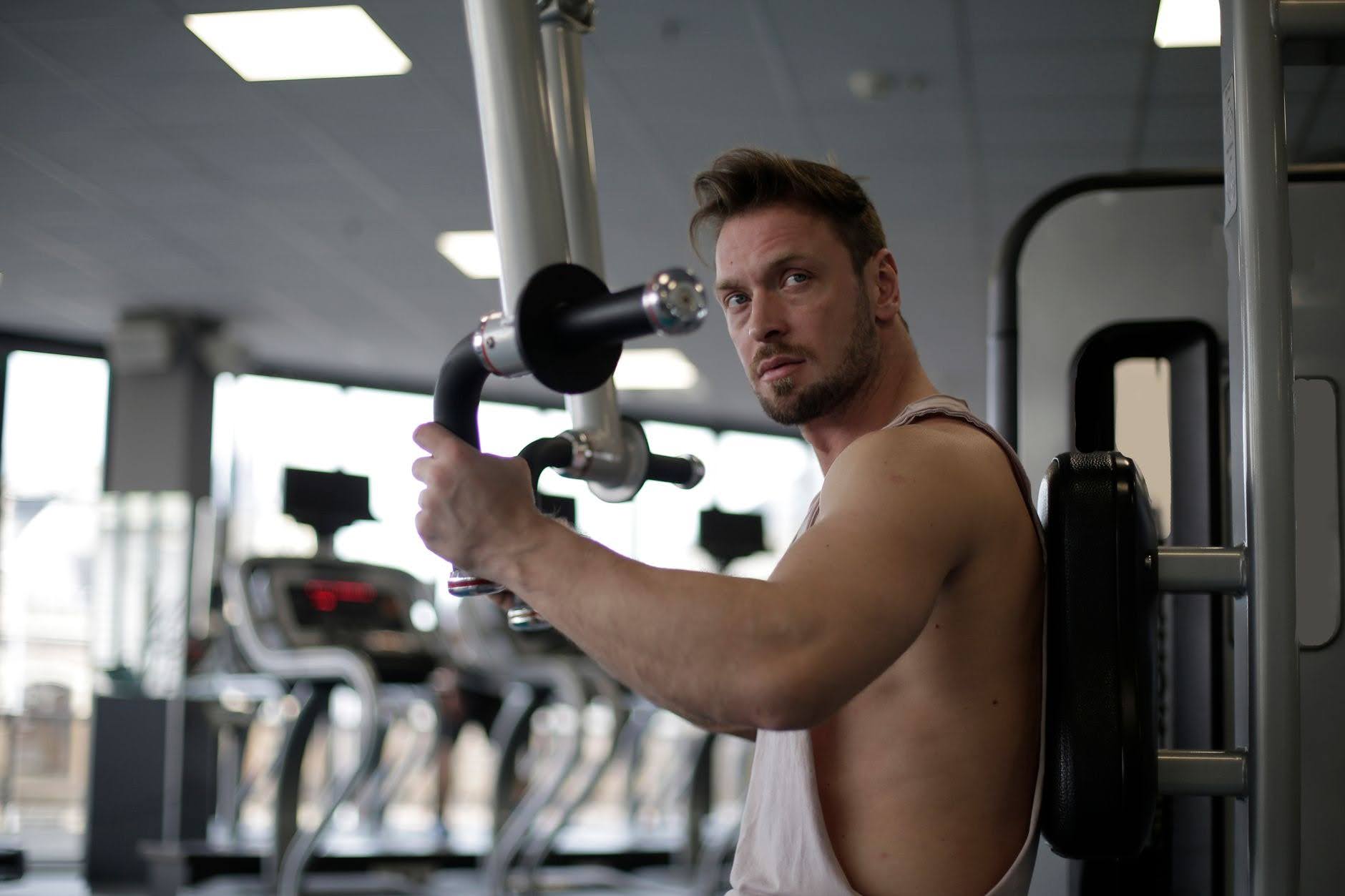
Heat and light cover recovery, but a power rack bought for squatting gathers dust if the real routine is 20 minutes of mobility work before a call. Buy for the movement pattern that will actually happen at 6 a.m., not the one that looks serious on a home-gym tour.
A resistance band set and an adjustable bench cover most upper-body and mobility needs for someone training three times a week. That is often enough.
Equipment bought for an imagined future self is the most common waste in this category. A kettlebell used four times a week beats a full rack used four times a year.
| Pro Tip: Match equipment to the routine already happening, not the one planned for January. |
4. A Quiet Space for Down-Regulation
Down-regulation is the deliberate shift from a sympathetic, keyed-up state to a parasympathetic one that lets heart rate and breathing actually slow down, and it needs a door that closes. A spare room with a chair, a blanket, and no laptop does the job.
It does not need soundproofing. A dimmer switch, a comfortable chair, and 15 minutes without a phone screen cover most of what down-regulation requires at home.
The habit matters more than the room. Ten minutes used daily outperforms an hour used once a month.
5. Cold-Plunge Equipment That Starts With Safety Screening
A cold-plunge tub set between 10 and 15 degrees Celsius produces a real cardiovascular response. Screening comes first.
Anyone with a heart condition, uncontrolled blood pressure, or a history of fainting needs a physician’s sign-off before the first plunge. A tub, a chiller, and a cover handle the rest of it.
NIOSH’s cold-stress guidance was written for people working outdoors, but the physiology it describes is the same one at home. A tub does not replace a doctor’s yes.
Buying the equipment is the easy afternoon. Getting the screening done first is the part that actually protects the investment.
6. Wearables for Trends, Not Diagnosis
A ring or a wristband tracking heart-rate variability and resting heart rate is useful for spotting a downward trend before it becomes a symptom. It is not a diagnosis, and the FDA has not cleared any consumer wearable to make one.
Trends matter more than one number. A week of declining HRV after three red-eye flights says more than one bad reading ever will.
The value is in the pattern over months, not the daily score. Someone who checks the number every morning and changes nothing is wearing a very expensive watch.
Most consumer wearables also miss the context a person would catch immediately, like a late dinner or a stressful call right before bed. A number without that context is not useless, but it is incomplete.
7. Coaching and Clinical Advice When the Data Says So
None of the equipment above replaces a person who reads the data and asks the right follow-up question. That person costs more per hour than any gadget here.
A board-certified sleep medicine physician, a certified strength and conditioning specialist, or a therapist for the down-regulation piece is worth booking once the trend line stops improving within the first two months of buying anything here. Worth it.
A wearable can flag the problem. It cannot explain the problem, and it will not fix it.
Your Next Steps
The order above is deliberate: protect the sleep and the down-regulation space before spending on a sauna or cold plunge, because the cheaper habits make the expensive equipment worth owning. An executive who buys the tub before fixing the bedroom is solving the smaller problem first.
Pick one item from this list that matches a routine already in place, not the one that sounds most impressive at a dinner table. Add the equipment once the habit survives a bad week, and let the wearable confirm the trend rather than decide it.
Consistency is what separates a recovery routine from a garage full of good intentions, and nobody keeps a routine they had to relearn every Monday. Build the smallest version first, and let it earn the bigger purchase.
None of this needs a launch date or a New Year’s resolution. The best week to start is the current one, with whatever is already sitting in the garage.