

London, 28 November 2026 — EBM Weekend Read- By Nick Staunton
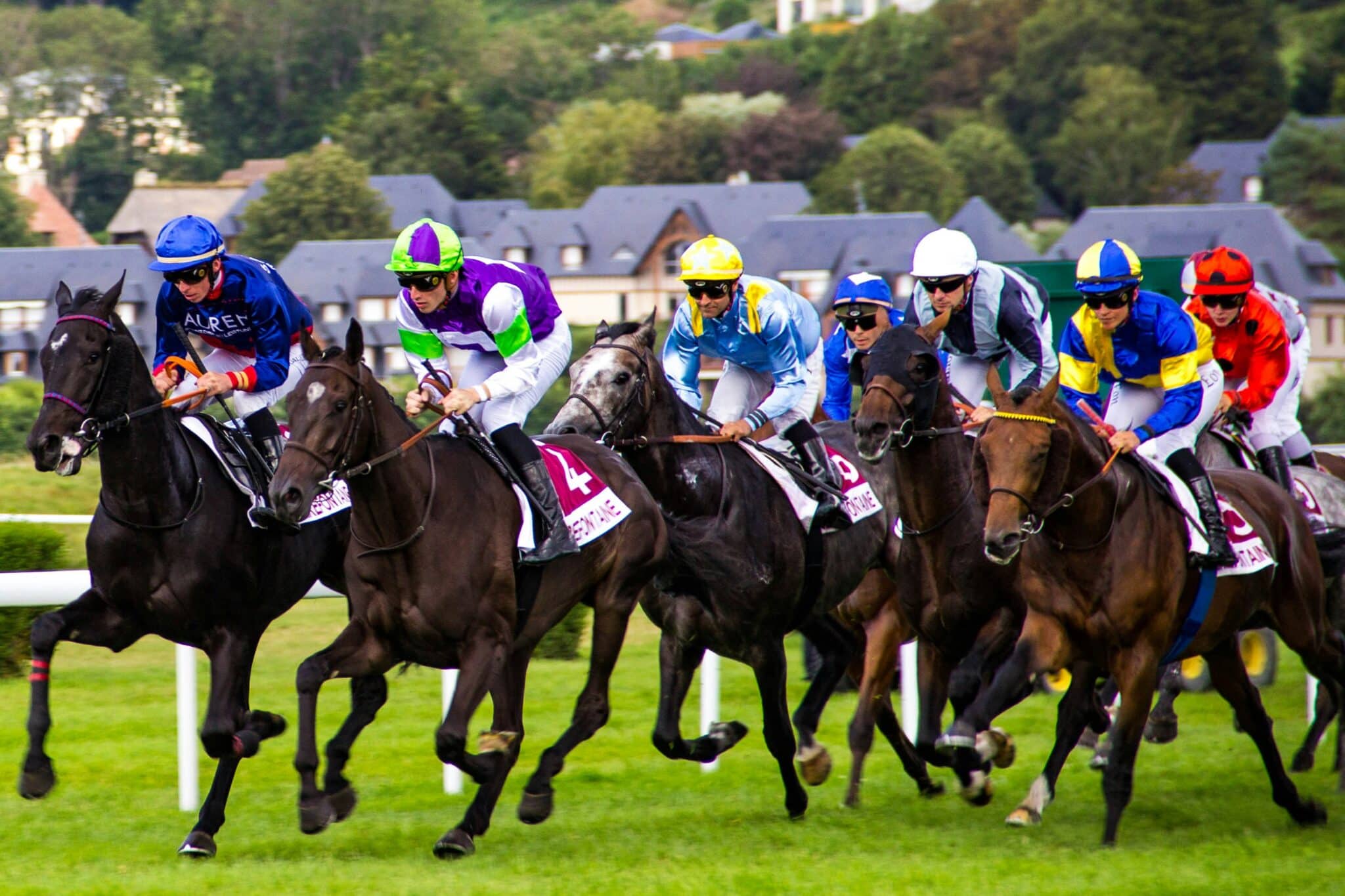
In mid-November, Michael Owen sent two horses to Sakhir for the Bahrain International Trophy, the richest race the kingdom has ever staged. Seagulls Eleven and Glacius, trained by Hugo Palmer, finished eighth and tenth. Seagulls Eleven belongs to a syndicate of Brighton players, men whose pay in today’s transfer market would have seemed absurd when Owen was at his peak. Nobody in Cheshire will have lost sleep over it, because Manor House Stables is not really built to win races. It is built to sell the hope of winning them.
Owen got there early. Long before Ronaldo and Mbappé made the athlete-as-hedge-fund fashionable, a 24-year-old striker put his money into something illiquid, local and very hard to run: a farm. Twenty years on, it is worth asking how that turned out.
The £10,000-a-Week Teenager
 Owen was born in Chester in 1979 and signed as a professional with Liverpool on his 17th birthday. On 1 October 1997 he signed a five-year contract worth a basic £2.5 million. His £10,000-a-week deal made him the highest-paid teenager in British football.
Join The European Business Briefing
New subscribers this quarter are entered into a draw to win a Rolex Submariner. Join 40,000+ founders, investors and executives who read EBM every day.
SubscribeThen came 2001. Liverpool won the treble and Owen won the Ballon d’Or. That autumn he signed a new four-year contract that made him the highest paid player in Liverpool’s history, reputedly earning between £60,000 and £80,000 a week. At the time that was serious money. These days it would barely make the bench at a club owned by Liverpool’s current investors.
Madrid, Newcastle and the £110,000 Week
In 2004 he joined Real Madrid for £8 million. He spent one season there, mostly as a substitute, and still scored 13 league goals. A year later he agreed a four-year contract at Newcastle United for a record €23.5m fee, as UEFA reported at the time.
That was his peak as an earner. Newcastle’s £40m investment (a £16.8m fee and £110,000 a week in wages) yielded 26 goals in 71 league games. After that the money came on worse terms. Manchester United signed him on a free in 2009, and in 2012 Stoke gave him a one-year deal widely reported as pay-as-you-play. He retired in 2013.
No audited figure exists for his lifetime wages. My back-of-envelope sum puts them comfortably above £40m before tax, with sponsorship deals on top. US wealth-tracking sites put his net worth at about $70m. Treat that as a guess, and set it against Ronaldo’s billion to see how fast the game moved after him.
Where the Money Went
Owen spent some of it the way footballers usually do. While living in North Wales, he bought a whole row of new houses down the road for his parents and other members of his family.
The farm was the bigger bet. He looked at about half a dozen farms before finding Manor House, a former dairy farm near Malpas. When he bought it there was just a house and a couple of grain barns. The price was never disclosed. In a Racing Post interview he recalled the criticism he took from football and the press for supposedly taking his eye off the ball. The yard opened for training in March 2007 with 30 horses.
How Manor House Actually Makes Money
In July 2009, Betfair co-founder Andrew Black was approached to become joint owner of Manor House Stables LLP. Tom Dascombe trained there until 2021, and Hugo Palmer, a Classic winner, took over in 2022. The yard now has 140 horses in training, on 170 acres with a horse swimming pool, a spa and a resident vet.
The model is simple once you see it. Owen goes to the yearling sales with his trainer and buys horses before he has owners for them. If they come back to the yard without owners, he has underwritten them himself, “for an awful lot of money”. He then sells shares to owners, who pay to keep the horses in training. He once told an interviewer that owners could be asked for £30,000 to £50,000 every year.
Syndicates make it cheaper to get in. His “Roaring Twenties” scheme bought 20 cheap horses at Doncaster for about £10,000–11,000 each, with each member taking a 10% stake in all 20. Horses that don’t make the grade are sold on.
Footballers are his best customers: James Milner, the Brighton syndicate, six Liverpool players who own Mr McCann, and his old BT Sport colleagues, who own a horse called Box To Box. Owen calls his own role “selling the dream”, as he told The National this month.
So how many horses does Owen himself own? There is no public figure. He keeps a large stake in the yard and has co-owned horses with Black. Prize money helps, but less than people think. Of a race purse, the owner receives 80%, the jockey 10%, the trainer 7% and the back-room staff 3%. The money that actually keeps the yard going comes from owners paying every month, whether their horses win or not. Unlike most of the athlete-owned ventures that fail, this one has its owner on site, running it.
Breeding: The Romance, Not the Engine
Owen’s first racehorse was Etienne Lady, bought in 1999. The important one was Treble Heights, a mare he bought after the 2001 treble. From her he bred Brown Panther, registered to Owen Promotions Ltd, a company owned by Michael Owen.
Brown Panther became the stable’s flagship. He won 11 of his 28 starts and earned over €1.2 million in prize money, including the Group One Irish St Leger in 2014 and the Dubai Gold Cup in 2015. That September he broke a leg in the Irish St Leger and had to be put down. Owen called it “the saddest day of my life”.
The serious money in breeding comes from stallion fees, and those belong to operations like Coolmore and Juddmonte. Owen has never been that kind of breeder. What his small breeding effort gave him was something better for a business that sells shares in horses: a home-bred champion that every prospective owner had heard of.
Where I Land
Owen’s football career ended quietly, through a series of pay-as-you-play contracts. His business career has done the opposite. Manor House is a property and services company in racing colours. It earns from fees, sales and owners’ cheques, and treats prize money as a bonus.
That makes it more like Clarkson’s Farm than either man might admit. The land matters, but the story matters more, and Owen is very good at telling it. Racing almost never makes its owners rich. Owen worked that out early, and decided to be the one selling the horses.
Related Analysis



