London, 29 November 2026 — EBM Weekend Read By Nick Staunton
In the autumn of 2002, Sir Alex Ferguson was the proudest racehorse owner in Britain. Rock of Gibraltar, running in his red-and-white colours, had just become the first horse in the northern hemisphere to win seven Group One races in a row, breaking Mill Reef’s 30-year-old record. Eighteen months later, that same horse had set Ferguson against the two biggest shareholders in Manchester United. A year after that, the club was owned by the Glazers.
Last week we looked at how Michael Owen built a racing business by keeping control of his own yard. Ferguson’s story is the opposite: what happens when a footballer enters racing without reading the paperwork, or without any paperwork to read.
A Champion on a Handshake
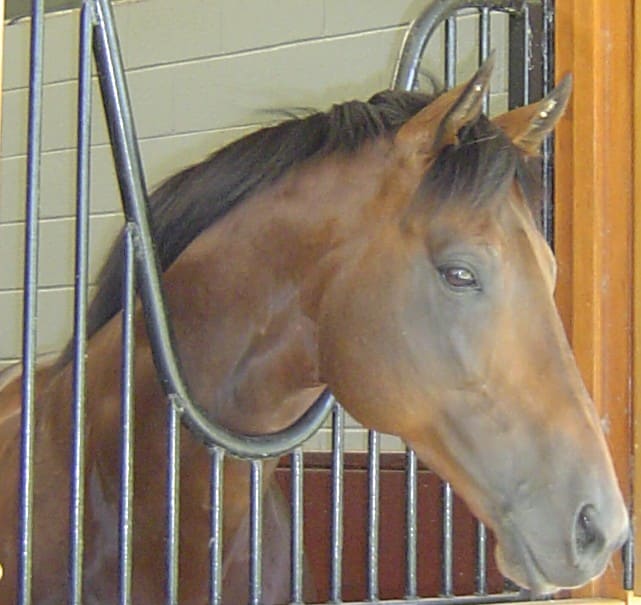 Rock of Gibraltar was bred in Ireland and trained by Aidan O’Brien at Ballydoyle, the racing arm of Coolmore. Coolmore is the breeding empire run by John Magnier, the most powerful man in the bloodstock business. The horse’s official owners were Magnier’s wife Sue and Ferguson. In 2001 Ferguson was registered with the Turf Club as a 50% owner.
Join The European Business Briefing
New subscribers this quarter are entered into a draw to win a Rolex Submariner. Join 40,000+ founders, investors and executives who read EBM every day.
SubscribeFerguson and Magnier were friends, and so was Magnier’s partner J.P. McManus. All three loved racing. Ferguson had a famous name, and Coolmore had a champion. Putting the two together was good publicity for everyone. What nobody did was put the deal in writing.
On the track the horse earned about £1.27m in prize money, including the 2,000 Guineas, the Irish 2,000 Guineas, the St James’s Palace Stakes and the Sussex Stakes. That was the small money. The big money started when he retired to Coolmore at the end of 2002.
Where the Real Money Is
Prize money is a bonus in racing. The fortune is made at stud, where a champion stallion is paid every time he covers a mare. Rock of Gibraltar was reported to command around £60,000 a covering. He shuttled between Ireland and the southern hemisphere, which meant two breeding seasons a year. His first year at stud alone was estimated at £10m in fees, and his whole stud career was valued in the tens of millions.
That was the core of the dispute. Ferguson believed his half-share of the horse meant half of everything, including the stud fees. Coolmore said he had only ever had a share of the racing rights: the prize money and the glory, but not the breeding value, which stayed with the people who owned the stallion business. Each side had a story. Neither had a contract.
In November 2003 Ferguson issued proceedings in the High Court in Dublin. Coolmore said the claim was without merit and would be defended vigorously.
The Fight Moves to Old Trafford
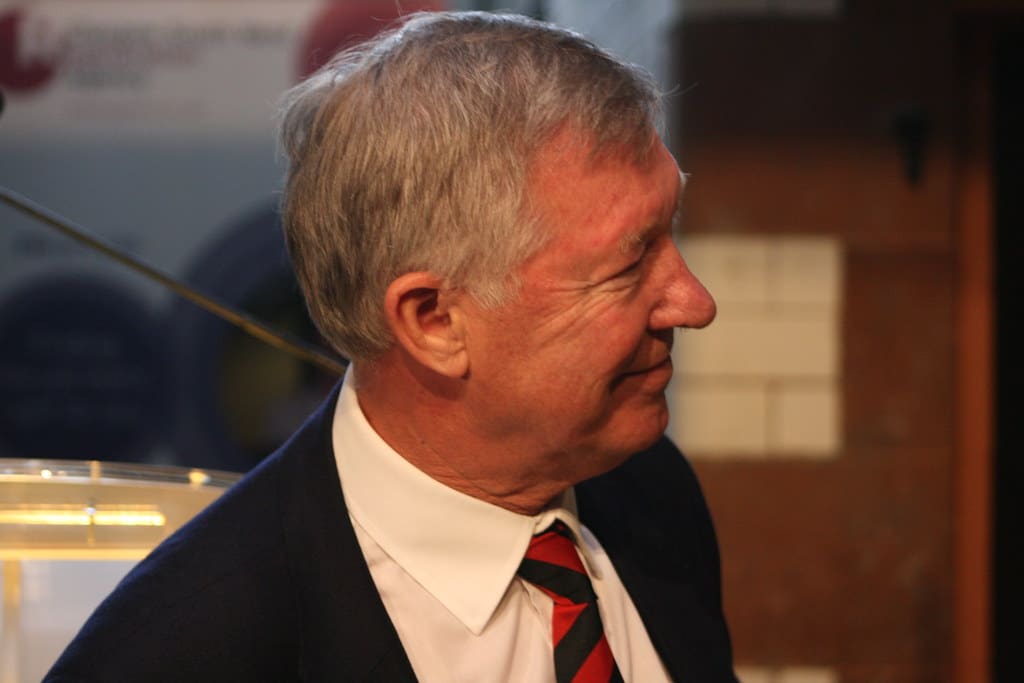 What made this more than a racing row was that Magnier and McManus also owned about a quarter of Manchester United, through an investment company called Cubic Expression. They were the club’s largest shareholders, and they had a manager suing one of them.
They responded as shareholders. In January 2004 their lawyers sent United’s chairman, Sir Roy Gardner, and chief executive David Gill a letter with 99 questions about the club’s governance and transfer dealings. Among them were questions about deals involving an agency where Ferguson’s son Jason worked. They threatened to call an extraordinary general meeting if the answers were not good enough.
The pressure worked. United shelved plans to give Ferguson a new four-year contract and gave him a one-year rolling deal instead. Cubic Expression kept buying, and by February 2004 its stake was just under 29%.
The Settlement
In March 2004 Ferguson and Magnier settled out of court. Ferguson called it an amicable settlement and said both sides had compromised. He was reported to have received about £2.5m, a small fraction of what half the horse’s stud earnings would have been worth. Magnier dropped a separate threat to sue over comments Ferguson had made in public.
On the surface that was the end of it. Ferguson kept his job and went on to win another five league titles. Magnier kept his stallion. Rock of Gibraltar sired 16 Group One winners and stood at Coolmore until he died in 2022, aged 23.
The Real Price
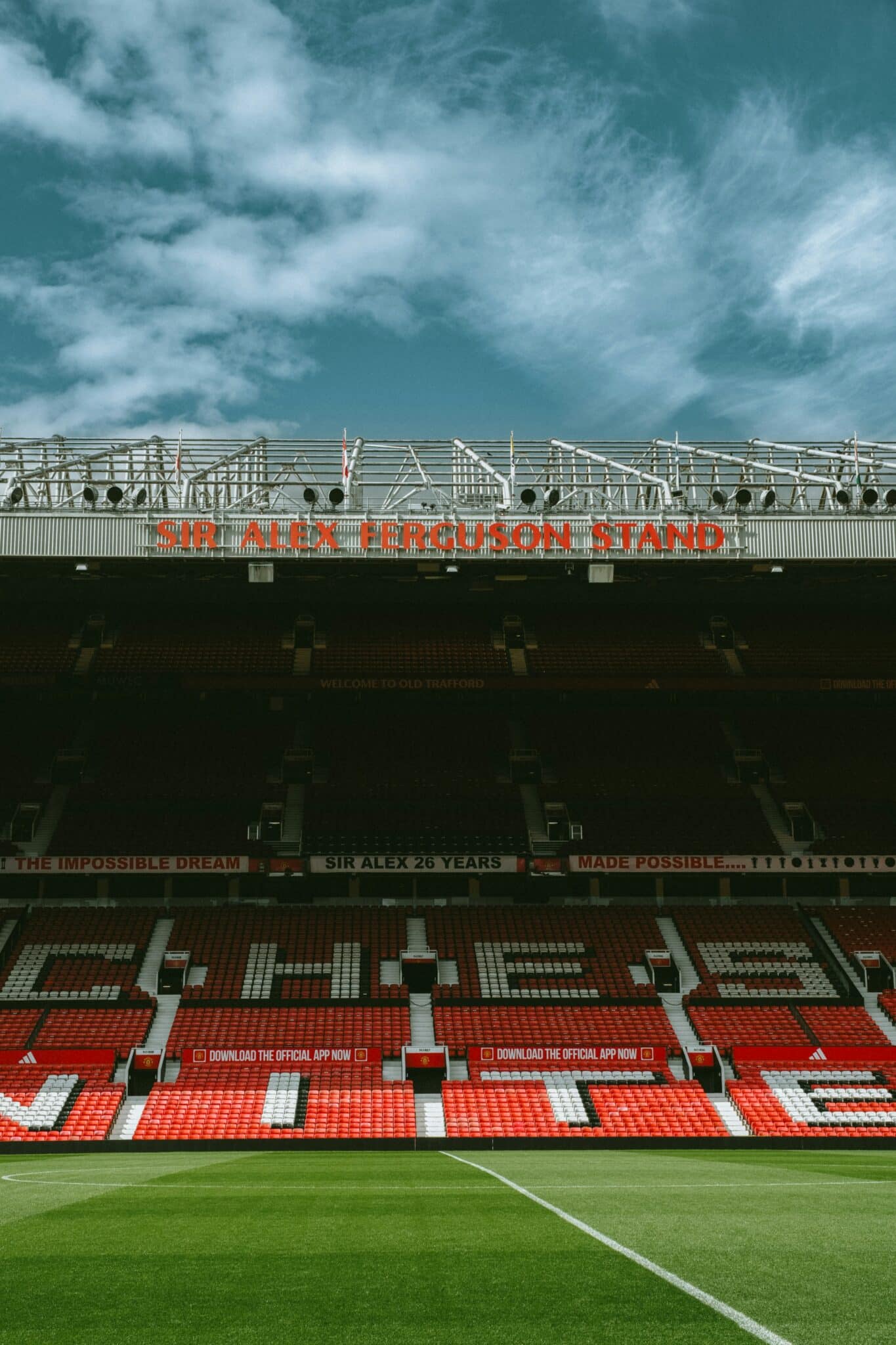 The dispute had a lasting cost: it ended Magnier and McManus’s goodwill towards the club. While the row was going on, an American named Malcolm Glazer had been quietly building his own stake. Cubic Expression was the stake that mattered. Whoever bought it would control the club.
On 12 May 2005 Magnier and McManus sold their 28.7% to Glazer for £3 a share. That took him to almost 57% and forced a full takeover bid. The Irish pair walked away with a profit of about €125m. Glazer bought the club for about £790m, much of it borrowed and then loaded onto United’s own balance sheet. That debt-financed model has shaped how Americans have bought into English football ever since.
Twenty years on, United fans are still protesting against the Glazers, and the family has since sold part of the club to Jim Ratcliffe’s Ineos. It is not too much to say that the chain of events started with an argument over a horse.
My Read
The Rock of Gibraltar affair is usually told as a story about pride. It is better understood as a lesson in what a contract is for. Ferguson was one of the sharpest negotiators in football. He would never have signed a player on a handshake. Yet he went into a business worth tens of millions with nothing in writing, against the most experienced dealmaker in racing.
Magnier won because Coolmore owned the asset that produced the income: the stallion business. Ferguson had his name on the racecard and none of the rights that mattered. Footballers entering racing today, like the athlete investors piling into clubs, brands and horses, should notice who ended up richer. It was not the man in the colours.
Related Analysis
- How Michael Owen Built a Racing Empire
- WEEKEND READ: From Passion to Profit — How Americans Learned to Flip Football Clubs
- WEEKEND READ: The Secretive Family Behind Ferrari, Jeep and The Economist
Before you publish