































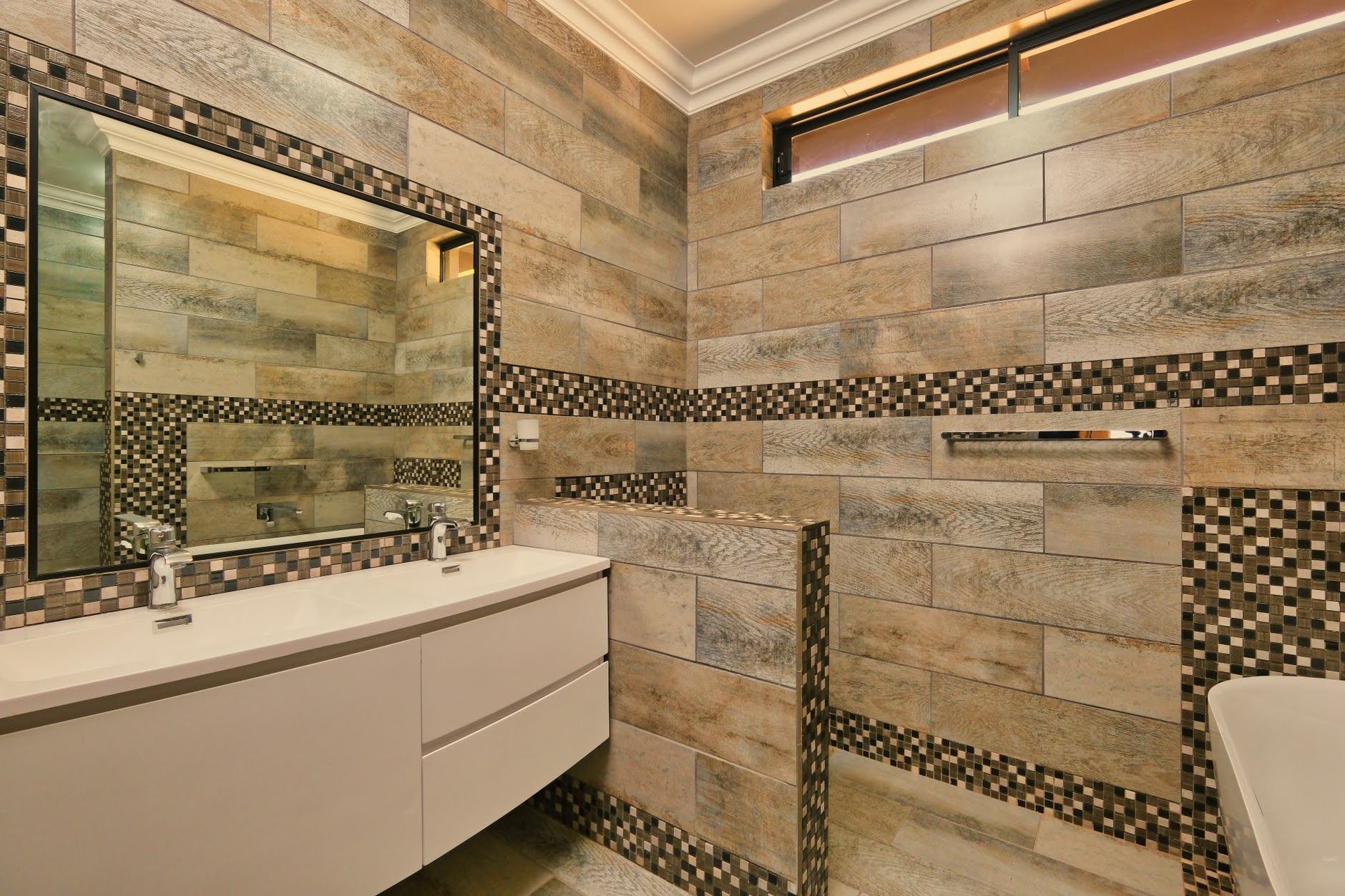
Guests judge a hotel bathroom in seconds. A dripping tap, a stained grout line or a burnt-out mirror light can undo what the lobby and the check-in desk just spent an hour building.
Facilities teams see the other side of that same room, since restrooms carry a disproportionate share of a property’s cleaning labour, water use and call-out budget across a typical year. A bad refit just costs more later.
Six investments are worth pricing now. None of them promises luxury on its own, but taken together they decide what the room actually costs to run for the next ten years.
Join The European Business Briefing
New subscribers this quarter are entered into a draw to win a Rolex Submariner. Join 40,000+ founders, investors and executives who read EBM every day.
Subscribe1. Water-Efficient Fixtures
Water is the one bill that never drops. A property still running older 3.5-gallon toilets and 2.5-gallon-per-minute taps is paying for volume nobody actually needs any more, and that gap only widens as utility rates keep climbing every year.
Fixtures certified under the EPA WaterSense specification cut flow to 1.28 gallons per flush and 1.5 gallons per minute, with no drop in pressure guests would ever notice. Across 200 rooms, that gap adds up fast.
Price is not the whole story. Most retrofits recover their full installation cost within 18 to 24 months once combined water and sewer savings are counted together, not water savings counted on their own.
Retrofitting is usually cheaper than facilities managers expect, since a dual-flush conversion kit costs a fraction of a full toilet swap and fits in under an hour. In-house staff can usually fit one.
2. Smart Toilets With Integrated Bidet Functions
Integrated bidet toilets split committees fast. They cost more to install than a standard tank toilet, because the unit, the wiring and sometimes the rough-in plumbing all have to change together.
The category actually covers two different products. A bidet seat bolts onto an existing bowl and can be swapped in an afternoon, while Premier Bidets’ TOTO Neorest smart toilets are a one-piece integrated unit that replaces the whole toilet, tank and controls together.
For a full-property refit where the toilet is already being replaced, comparing an integrated unit against a seat retrofit means comparing two different renovation scopes entirely. That distinction should drive the order.
Serviceability decides the winner here. An integrated unit needs a technician trained on its own electronics for anything beyond a basic parts swap, while a bidet seat, which Premier Bidets also sells, can usually be handled by in-house maintenance.
Installed cost for a mid-range integrated unit typically runs two to four times that of a standard toilet once wiring and venting are added into the estimate. That gap narrows on a full renovation.
3. Touchless Taps and Dispensers
Hygiene is the next line item worth pricing. Fewer hands touching a tap handle or a soap pump means fewer complaints logged after a norovirus season moves through a city, and fewer sick days across the housekeeping team.
The trade-off is battery maintenance, and it is the one cost facilities teams reliably underestimate at spec stage, especially on a property with forty or more guest and public bathrooms. The cheapest sensor is rarely cheap.
Spec sensors rated IP67 or higher. Confirm the vendor’s stated battery life against real usage in a busy public restroom, not the number printed on the box in a quiet lab.
Vendor choice matters as much as the sensor spec, because a supplier stocking parts locally turns a failed board into a five-minute swap instead of a week-long wait. A slow parts order costs more.
4. Durable Surfaces and Accessible Layouts
Surface choice decides year five, not year one. Porcelain slab and solid quartz resist staining, scratching and chemical damage from harsh cleaning agents far better than laminate or cultured marble ever will.
Accessible layout is not optional. The Americans with Disabilities Act’s design standards call for a 60-inch turning circle in accessible rooms and grab bars mounted 33 to 36 inches above the floor.
Building those clearances in during the refit costs a fraction of retrofitting them later. Widening a door later costs more.
Slip resistance deserves the same attention. A wet-area floor tested to a dynamic coefficient of friction above 0.42 under ANSI A326.3 holds up far better under daily mopping than a glossy tile chosen for looks alone.
5. Ventilation and Odour Control
A bathroom can look spotless and still smell wrong. Odour is the complaint housekeeping hears about most, and it is the one hardest to trace back to a single cause.
It is rarely the cleaning schedule. Exhaust capacity is usually the real culprit, and the International Mechanical Code sets minimum exhaust rates that many older hotel bathrooms fall short of.
A quiet fan running non-stop beats one big blast. Continuous low-level exhaust clears humidity and odour before either builds up, while a single burst from the light switch lets both accumulate between visits.
A humidity sensor that triggers the fan on its own catches what a timer switch misses entirely, since a shower-heavy guest bathroom can sit above 60% relative humidity long after checkout. That is long enough for mould.
This is a modest job for an electrician. It rarely justifies a stand-alone call-out, so it belongs on the same purchase order as the other fixture changes.
6. Cleaning Verification and Maintenance Data

“Clean” used to mean a signature on a clipboard. Facilities teams now have a cheaper, more objective way to check the work.
ATP swab testing measures residual organic material in relative light units, and a reading under 10 RLU is the threshold most healthcare-grade cleaning programmes use to call a surface passed. That turns clean into a number.
Occupancy counters handle the other half. They flag a public restroom for a mid-shift clean once foot traffic crosses a set threshold, rather than on a fixed schedule that ignores how busy the day actually was.
Maintenance data should feed the capital plan. A log showing which fixtures need repeat repairs points a facilities team towards next year’s priorities, instead of a guess.
| Pro Tip: Track cleaning scores against the ISSA Cleaning Industry Management Standard rather than an in-house checklist, for a score comparable across properties. |
Your Next Steps
Price each one the same way. None of these six investments earns back its cost on the same timeline, so they belong in one life-cycle comparison rather than six separate purchase orders.
Water-efficient fixtures and touchless hardware pay back within two to three years, while surfaces, layout and smart toilets pay back more slowly, through fewer complaints and fewer capital repairs. The bill still arrives eventually.
Ask for that ten-year figure first. A general contractor can usually produce it before signing off on the fixture schedule, and a refit priced only against next quarter’s budget gets redone sooner than it should.






