































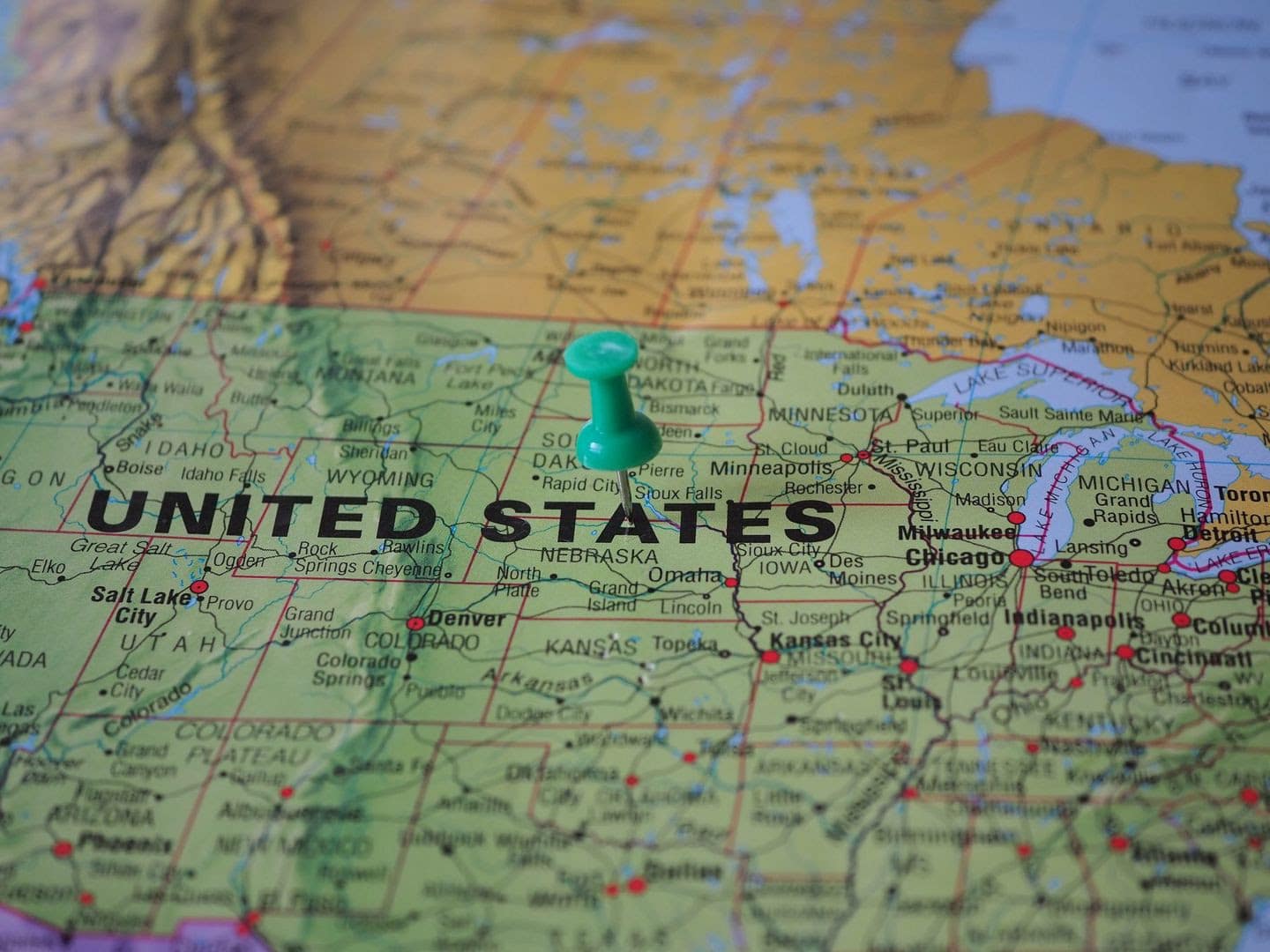
The rules surrounding online sweepstakes casinos are becoming more and more complex. Across the US, states are taking different approaches to the dual-currency model, with some introducing explicit bans, others relying on existing gambling laws and enforcement and several still considering their next step. In that sense, the US landscape has some similarities with Europe, where gambling regulation also varies between individual countries rather than following one set of rules across the entire region. The difference is that, in the US, this approach plays out between individual states.
These differences also make it important to distinguish legitimate operators from platforms that could present fraud risks.
That makes a state-by-state view more useful than a simple explanation of whether sweepstakes casinos are legal. Regulation is changing quickly and the difference between an enacted ban, an enforcement action and a proposed bill can be significant. Much like comparing gambling markets across Europe, looking at each jurisdiction separately provides a clearer picture of what operators and players can actually expect.
Join The European Business Briefing
New subscribers this quarter are entered into a draw to win a Rolex Submariner. Join 40,000+ founders, investors and executives who read EBM every day.
SubscribeThe states with explicit bans
New York provides one of the clearest benchmarks. Its 2025 law prohibits online sweepstakes games that use a dual-currency system and simulate casino-style gaming while offering the chance to win cash or cash equivalents. The prohibition also extends to businesses and services that support or promote these games. Violations can result in fines of up to $100,000 per violation.
California’s AB 831 took effect January 1, 2026, addressing online sweepstakes and gambling simulators that award or connect participants with prizes of value. The law also preserves lawful gambling activities conducted by licensed gambling enterprises and the California State Lottery.
Other states have followed with their own restrictions, but the laws don’t all take the same form. Some focus closely on dual-currency systems, while others use broader language around online sweepstakes games or unlawful gambling.
Maine’s approach shows how quickly the landscape is changing. LD 2007 became effective July 29, 2026, and defines an online sweepstakes game around a dual-currency payment system and casino-style gaming, including slots, poker, table games, lottery games, bingo and sports wagering.
Indiana has also moved from legislative debate to an active prohibition. HB 1052 took effect on July 1, 2026, establishing civil penalties for entities conducting online sweepstakes casino games.
The result is a growing group of states where operators face explicit statutory restrictions, but the definitions, penalties and effective dates can differ considerably.
States moving toward regulation
Not every state that has raised concerns about sweepstakes casinos has enacted a dedicated ban.
Maryland is a great example. Lawmakers considered legislation in 2026 that would have targeted the multiple-currency systems used by sweepstakes casinos and expanded restrictions on operators and supporting businesses. The measures didn’t make it through the Senate before the legislative session ended on April 13, leaving Maryland without a new sweepstakes-specific prohibition.
That doesn’t mean the state has simply accepted the model. Maryland’s gaming regulator has taken enforcement action against operators it considers to be offering unauthorized online gaming, including through cease-and-desist letters. At a legislative hearing, the Maryland Lottery and Gaming Control Agency director said the agency had sent dozens of such orders.
This distinction matters. A proposed prohibition that fails to pass is not the same thing as a state deciding that sweepstakes casinos are lawful. Existing gambling rules can still affect operators.
States relying on existing gambling rules
Some states have approached the issue through their existing gambling frameworks rather than creating an entirely separate sweepstakes regime.
Indiana shows the shift from policy discussion to enforcement. Its 2026 legislation established civil penalties for entities conducting online sweepstakes casino games, with the provisions taking effect July 1.
Elsewhere, regulators have used existing gambling rules or regulatory pressure without following the same legislative path as New York. A state can therefore make a market hard to operate in without having a law specifically titled a “sweepstakes casino ban.”
What the patchwork means
For operators, the growing number of state-specific restrictions creates a compliance problem that can’t be solved with a single nationwide approach. A platform permitted in one state might face a prohibition, enforcement action or licensing issue somewhere else.
Players face a different question. The absence of a dedicated ban doesn’t automatically mean that a platform has been approved by state regulators. Existing gambling laws still matter, as Maryland has shown.
The most useful questions are therefore state-specific:
- Has the state passed a dedicated sweepstakes law?
- Is that law already effective?
- Are regulators enforcing existing gambling rules?
- Are new restrictions still being considered?
For anyone following online casino developments, it’s worth checking those details rather than relying on a broad “legal” or “illegal” label. Resources such as Casino Guru can also help readers stay informed on the conditions surrounding online casino gaming as state rules continue to change.
A regulatory map that keeps moving
The US sweepstakes casino market is no longer facing one simple approach. New York and Maine have established explicit prohibitions, California has taken a broad approach with defined exceptions, Indiana has moved into active penalties and Maryland shows how regulatory pressure can continue when a proposed ban fails to become law.
Regulation is constantly changing and adapting. For now, the safest way to understand the market is to look at the specific law, enforcement position and effective date in each state rather than treating the US as a single regulatory jurisdiction.