































New York, 16 September 2026 — EBM Newsdesk Analysis. Anthony Gill
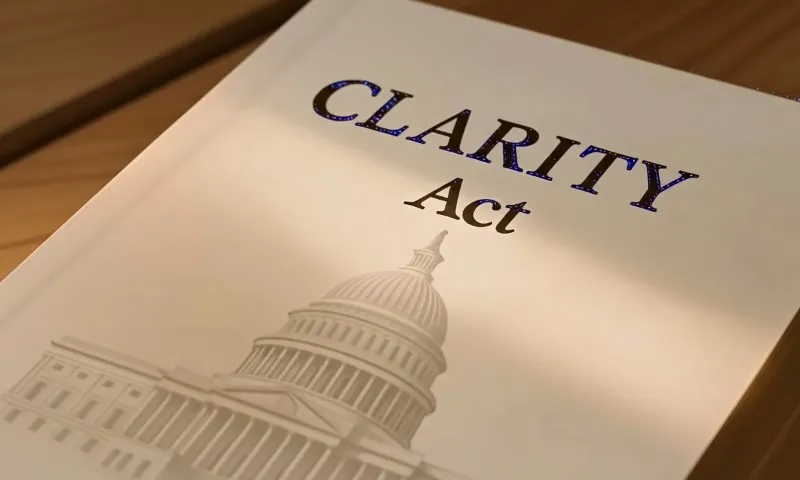
America’s attempt to establish a comprehensive regulatory framework for the cryptocurrency industry has hit a major political roadblock after the US Senate failed to advance the CLARITY Act in a crucial procedural vote. The measure received 49 votes in favour and 50 against on Tuesday, falling well short of the 60 votes required to move forward. All Democratic senators voted against the motion, joined by four Republicans — Susan Collins, Josh Hawley, Jerry Moran and Thom Tillis.
The defeat is a significant setback for an industry that has spent more than a year lobbying Congress for clearer rules governing digital assets. The CLARITY Act was designed to establish a framework dividing regulatory responsibilities between the Securities and Exchange Commission and the Commodity Futures Trading Commission, giving cryptocurrency companies greater certainty over whether individual assets should be treated as securities or commodities. The bill had already passed the House, making Tuesday’s Senate vote a critical stage in what had been one of Washington’s most closely watched financial-policy battles.
Join The European Business Briefing
New subscribers this quarter are entered into a draw to win a Rolex Submariner. Join 40,000+ founders, investors and executives who read EBM every day.
SubscribeThe central obstacle was not simply whether crypto should be regulated. Democrats objected to what they regarded as insufficient restrictions on President Donald Trump’s ability to benefit financially from the industry. Trump has substantial cryptocurrency interests, and financial disclosures cited by US media indicate that his crypto-related income reached about $1.4bn last year. Democrats argued that legislation governing the sector should contain stronger safeguards against potential conflicts of interest.
A second dispute centred on stablecoins and the possibility of companies offering rewards or yields to users. The banking industry has opposed arrangements that could encourage consumers to move money away from traditional bank deposits and towards digital-asset platforms. For banks, the concern is not simply competition from crypto companies but the potential effect on deposits, lending capacity and the broader structure of financial intermediation. The issue had already been one of the most difficult parts of negotiations surrounding the legislation.
The collapse of the vote therefore exposes a deeper problem. The crypto industry had been working towards legislation that could replace years of regulatory uncertainty with a permanent framework, but the final negotiations became entangled with questions about political ethics, stablecoin economics and the division of power between federal regulators. The result is that one of the industry’s biggest legislative opportunities has stalled at precisely the point where supporters expected it to move towards final passage.
For crypto businesses, the immediate consequence is continued uncertainty. The United States already has a stablecoin framework following passage of the GENIUS Act, but the wider market-structure questions addressed by CLARITY remain unresolved. That leaves companies dealing with a regulatory landscape in which the SEC and CFTC continue to play important roles while Congress has yet to establish the comprehensive statutory framework that the industry has been seeking. EBM has previously examined the issue in its analysis of the US crypto bill and the wider debate around MiCA in Europe.
Will the CLARITY Act be brought back?
The answer is possibly — and the legislation is not technically dead. Senator Thom Tillis changed his vote from yes to no during the procedural process, allowing him to file a motion to reconsider. That keeps open a route towards another Senate vote if enough senators can negotiate changes capable of attracting additional support. However, the failed vote showed that significant differences remain, particularly over ethics provisions and stablecoin rewards.
The timing is now critical. The House has already cancelled its remaining September legislative schedule and is not expected to take further action on the measure before the November midterm elections. That leaves a relatively narrow window for the Senate to revive the legislation before the political calendar becomes even more complicated.
A second attempt would therefore probably require more than simply putting the existing bill back on the Senate floor. Supporters would need to reopen negotiations, particularly with senators who rejected the measure over ethics and stablecoin concerns. The 49–50 vote also demonstrates that the bill currently lacks the support needed to clear the Senate’s 60-vote procedural threshold.
Meanwhile, regulators are likely to remain important to the industry’s next phase. The SEC and CFTC can continue developing rules and enforcement policies within their existing authority, although regulatory action is more vulnerable to future political and legal changes than a clear congressional framework would be. Industry executives have already indicated that they want regulators to use their existing powers while Congress works through the legislative impasse.
For Europe, the American setback creates an interesting contrast. The EU has already established MiCA as a comprehensive framework for crypto assets, while the US remains divided over how responsibilities should be shared between regulators and what additional safeguards should apply to the industry. EBM’s analysis of MiCA and Europe’s crypto framework shows just how different the two regulatory approaches have become.
The bigger question now is whether Washington can turn Tuesday’s defeat into another round of negotiations or whether the CLARITY Act becomes a casualty of the approaching election cycle. The motion to reconsider means another attempt remains possible, but it would require a substantive political compromise rather than simply another vote on the same text.
For an industry that has spent years arguing that regulatory certainty is essential for institutional adoption, the irony is difficult to miss. The United States has come closer than ever to establishing comprehensive crypto rules, only to discover that the hardest part is no longer defining the technology. It is agreeing on the political rules governing the people and institutions that want to profit from it.
America’s attempt to establish a comprehensive regulatory framework for the cryptocurrency industry has hit a major political roadblock after the US Senate failed to advance the CLARITY Act in a crucial procedural vote. The measure received 49 votes in favour and 50 against on Tuesday, falling well short of the 60 votes required to move forward. All Democratic senators voted against the motion, joined by four Republicans — Susan Collins, Josh Hawley, Jerry Moran and Thom Tillis.
The defeat is a significant setback for an industry that has spent more than a year lobbying Congress for clearer rules governing digital assets. The CLARITY Act was designed to establish a framework dividing regulatory responsibilities between the Securities and Exchange Commission and the Commodity Futures Trading Commission, giving cryptocurrency companies greater certainty over whether individual assets should be treated as securities or commodities. The bill had already passed the House, making Tuesday’s Senate vote a critical stage in what had been one of Washington’s most closely watched financial-policy battles.
The central obstacle was not simply whether crypto should be regulated. Democrats objected to what they regarded as insufficient restrictions on President Donald Trump’s ability to benefit financially from the industry. Trump has substantial cryptocurrency interests, and financial disclosures cited by US media indicate that his crypto-related income reached about $1.4bn last year. Democrats argued that legislation governing the sector should contain stronger safeguards against potential conflicts of interest.
A second dispute centred on stablecoins and the possibility of companies offering rewards or yields to users. The banking industry has opposed arrangements that could encourage consumers to move money away from traditional bank deposits and towards digital-asset platforms. For banks, the concern is not simply competition from crypto companies but the potential effect on deposits, lending capacity and the broader structure of financial intermediation. The issue had already been one of the most difficult parts of negotiations surrounding the legislation.
The collapse of the vote therefore exposes a deeper problem. The crypto industry had been working towards legislation that could replace years of regulatory uncertainty with a permanent framework, but the final negotiations became entangled with questions about political ethics, stablecoin economics and the division of power between federal regulators. The result is that one of the industry’s biggest legislative opportunities has stalled at precisely the point where supporters expected it to move towards final passage.
For crypto businesses, the immediate consequence is continued uncertainty. The United States already has a stablecoin framework following passage of the GENIUS Act, but the wider market-structure questions addressed by CLARITY remain unresolved. That leaves companies dealing with a regulatory landscape in which the SEC and CFTC continue to play important roles while Congress has yet to establish the comprehensive statutory framework that the industry has been seeking. EBM has previously examined the issue in its analysis of the US crypto bill and the wider debate around MiCA in Europe.
Will the CLARITY Act be brought back?
The answer is possibly — and the legislation is not technically dead. Senator Thom Tillis changed his vote from yes to no during the procedural process, allowing him to file a motion to reconsider. That keeps open a route towards another Senate vote if enough senators can negotiate changes capable of attracting additional support. However, the failed vote showed that significant differences remain, particularly over ethics provisions and stablecoin rewards.
The timing is now critical. The House has already cancelled its remaining September legislative schedule and is not expected to take further action on the measure before the November midterm elections. That leaves a relatively narrow window for the Senate to revive the legislation before the political calendar becomes even more complicated.
A second attempt would therefore probably require more than simply putting the existing bill back on the Senate floor. Supporters would need to reopen negotiations, particularly with senators who rejected the measure over ethics and stablecoin concerns. The 49–50 vote also demonstrates that the bill currently lacks the support needed to clear the Senate’s 60-vote procedural threshold.
Meanwhile, regulators are likely to remain important to the industry’s next phase. The SEC and CFTC can continue developing rules and enforcement policies within their existing authority, although regulatory action is more vulnerable to future political and legal changes than a clear congressional framework would be. Industry executives have already indicated that they want regulators to use their existing powers while Congress works through the legislative impasse.
For Europe, the American setback creates an interesting contrast. The EU has already established MiCA as a comprehensive framework for crypto assets, while the US remains divided over how responsibilities should be shared between regulators and what additional safeguards should apply to the industry. EBM’s analysis of MiCA and Europe’s crypto framework shows just how different the two regulatory approaches have become.
The bigger question now is whether Washington can turn Tuesday’s defeat into another round of negotiations or whether the CLARITY Act becomes a casualty of the approaching election cycle. The motion to reconsider means another attempt remains possible, but it would require a substantive political compromise rather than simply another vote on the same text.
For an industry that has spent years arguing that regulatory certainty is essential for institutional adoption, the irony is difficult to miss. The United States has come closer than ever to establishing comprehensive crypto rules, only to discover that the hardest part is no longer defining the technology. It is agreeing on the political rules governing the people and institutions that want to profit from it.