































EBM NEWSDESK ANALYSIS – ANTHONY GILL
A below-market bid, a criminal complaint from Commerzbank’s works council, and a German government that never wanted this deal. Yet UniCredit is closing in. Here is how Andrea Orcel has kept the pressure on.
The Bid Nobody Wanted — Except the Bidder
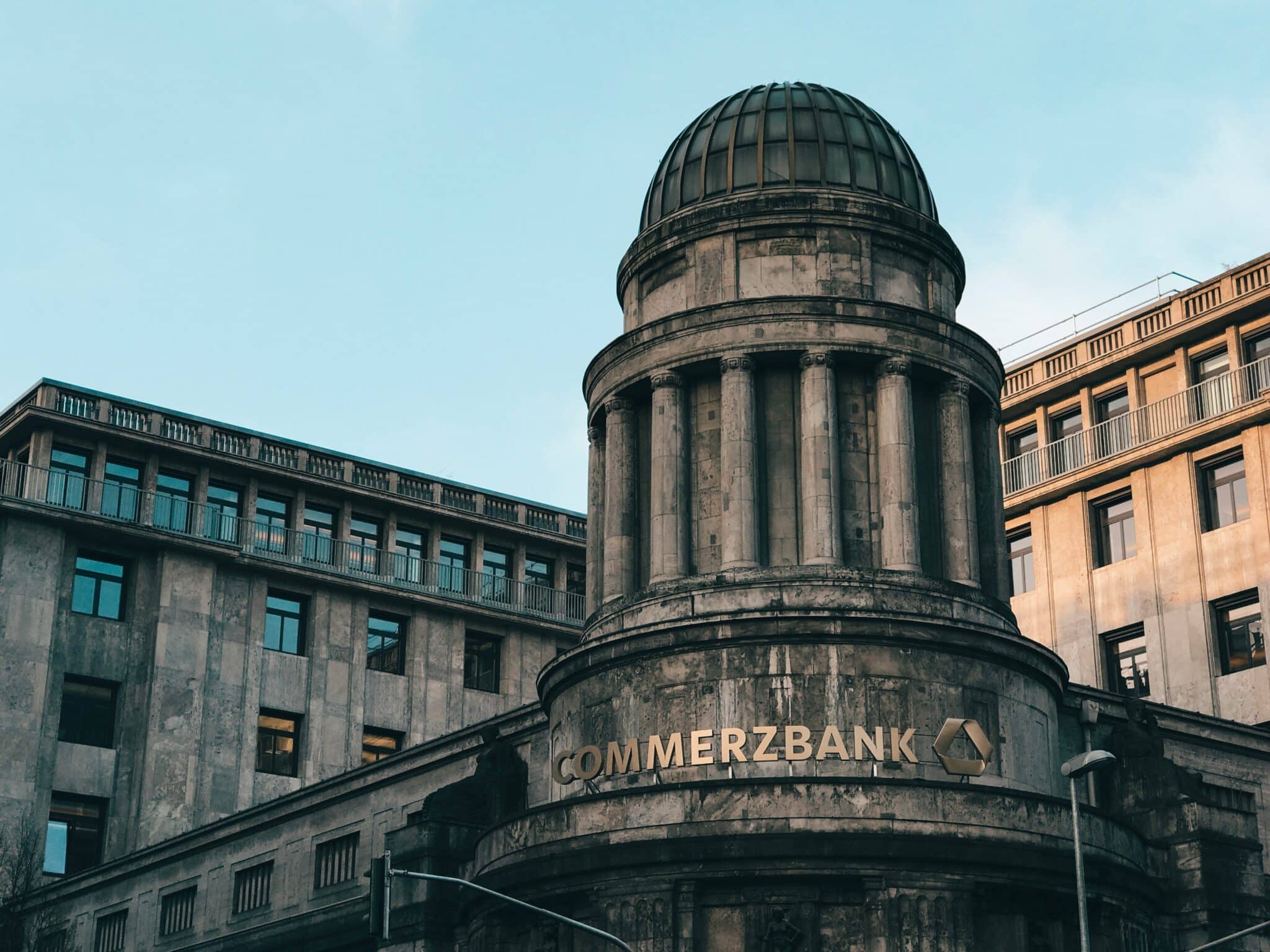
When UniCredit’s chief executive Andrea Orcel began building a stake in Commerzbank in September 2024, Germany’s reaction was immediate and unambiguous. Berlin called hostile banking takeovers inappropriate. Commerzbank vowed to remain independent. The German government, sitting on a 12 per cent stake in the Frankfurt lender, made clear it had no interest in selling to an Italian bank.
Eighteen months later, UniCredit holds a prospective stake of nearly 38 per cent in Commerzbank and is nearing the end of a formal acceptance period that runs until 16 June 2026. The deal that nobody in Germany wanted is closer to completion than anyone in Frankfurt or Berlin would care to admit.
Join The European Business Briefing
New subscribers this quarter are entered into a draw to win a Rolex Submariner. Join 40,000+ founders, investors and executives who read EBM every day.
SubscribeThe story of how Orcel got here is one of patient accumulation, regulatory navigation, and a willingness to absorb political hostility without altering course — the kind of dealmaking discipline that defines careers or ends them.
Building the Position
UniCredit began acquiring Commerzbank shares in September 2024, initially disclosing a 9 per cent stake that sent Commerzbank’s share price sharply higher and Berlin into a defensive posture. The Italian bank did not stop there. By December 2024 it had reached 28 per cent through a combination of direct purchases and derivative positions, and sought ECB approval to push higher.
That approval came. The ECB gave UniCredit the green light to acquire up to 29.9 per cent — a significant regulatory endorsement at a moment when German political resistance was at its most vocal. The ECB’s backing removed one of the most powerful arguments Berlin could have deployed against the transaction and signalled that European supervisors viewed cross-border banking consolidation as a strategic priority.
In March 2026, UniCredit launched a formal €35 billion offer — structured primarily as a share-for-share exchange offering 0.485 UniCredit shares for each Commerzbank share — designed to push its stake above the 30 per cent threshold that German takeover law treats as a critical inflection point. Crossing 30 per cent gives the acquirer the right to buy further shares on the open market, increasing pressure on the target and its remaining shareholders without requiring a new formal offer.
The Numbers Behind the Drama
The acceptance figures tell a story of incremental momentum against considerable resistance. When the formal offer period opened in early May, uptake was modest. By 2 June, shares equivalent to 7.6 per cent of Commerzbank’s capital had been tendered. By 9 June that figure had reached 10.91 per cent. By 12 June, shareholders representing 12.4 per cent of voting rights had tendered, taking UniCredit’s prospective total holding to approximately 37.68 per cent.
The numbers also reveal the central tension in this transaction. UniCredit’s implied offer price — approximately €31.07 per Commerzbank share based on its own stock price at the time of launch — sits materially below Commerzbank’s current market price of around €36.76. That gap of roughly 18 per cent explains why large institutional shareholders have held back. Accepting the offer means crystallising a loss relative to the market price. Many have simply declined to do so.
A further acceptance period runs from 20 June to 3 July 2026. If UniCredit cannot close the valuation gap — either through a sweetened offer or a decline in Commerzbank’s share price — institutional resistance is likely to persist into that window as well.
Berlin’s Losing Battle
The German government’s opposition to this deal has been consistent and, thus far, ineffective. Commerzbank’s management formally rejected the offer and has maintained that position throughout. The lender’s works council went further, filing a criminal complaint against UniCredit for alleged market manipulation — an aggressive legal move that reflects the intensity of institutional resistance but is unlikely to derail the transaction.
What Berlin has struggled to do is offer Commerzbank shareholders a compelling alternative. The argument that Commerzbank should remain independent requires the bank to demonstrate that independence generates superior returns. Commerzbank posted record earnings in 2025 and cut nearly 4,000 jobs in a restructuring designed partly to make that case. The share price performance has been strong. But with UniCredit’s accumulated stake now approaching 38 per cent, the arithmetic of independence is becoming harder to sustain.
The German government’s own stake — 12 per cent — has not been tendered. Whether Berlin ultimately holds that position or accepts a deal it has spent eighteen months opposing may be the most consequential single decision remaining in this transaction.
What a Combined Bank Would Mean for Europe
If UniCredit ultimately secures control of Commerzbank, the combined entity would rank among the largest banks in Europe by assets, with significant presence across Germany, Italy, and Central and Eastern Europe. For Orcel, it would represent the completion of a pan-European consolidation strategy that European regulators have long encouraged in principle while member states have repeatedly blocked in practice.
The ECB has been explicit about its support for cross-border banking mergers as a mechanism for building European financial institutions capable of competing with American and Asian counterparts. UniCredit’s pursuit of Commerzbank is the most serious test of whether that regulatory appetite can overcome national political resistance.
The acceptance period closes on 16 June. What happens next will define not just the future of two banks, but the credibility of European banking union itself.