





























EBM NEWSDESK ANALYSIS – By Nick Staunton
A framework agreement to extend the ceasefire and reopen the Strait of Hormuz is the most significant diplomatic development of 2026. But with core disputes unresolved and a Geneva signing still pending, the hard work has barely begun.
From Unconditional Surrender to the Negotiating Table
Three months ago, Donald Trump was threatening to wipe out an entire civilisation. He had demanded Iran’s unconditional surrender, set successive deadlines — 21 March, then 23 March, then 7 April — and threatened to strike Iranian energy infrastructure and bridges if no deal was reached. None of those deadlines produced the outcome he demanded. What they produced instead was a ceasefire, a framework agreement, and a scheduled signing in Geneva.
The arc from that maximalist posture to the current diplomatic position is one of the more striking reversals in recent American foreign policy. It also reflects the reality that even the world’s most powerful military cannot bomb its way to a solution when the economic consequences of continued conflict fall hardest on the country doing the bombing.
Join The European Business Briefing
New subscribers this quarter are entered into a draw to win a Rolex Submariner. Join 40,000+ founders, investors and executives who read EBM every day.
SubscribeWhat the Deal Contains
US and Iranian officials reached a framework memorandum of understanding in mid-June 2026 to extend the April ceasefire, reopen the Strait of Hormuz, and lift the US naval blockade, with formal signing scheduled for June 19 in Geneva.
The framework extends the ceasefire by 60 days while the two sides work toward a final deal to end the war, with the Strait of Hormuz to be de-mined and reopened in the interim.
The agreement includes a memorandum of understanding as a first phase, Iran’s foreign ministry confirmed, before broader talks within 30 to 60 days.
The economics of that reopening are considerable. When the initial two-week ceasefire was announced in April, the price of benchmark Brent crude dropped below $100, falling approximately 15.9 per cent to $92.30 a barrel, while US-traded oil fell nearly 16.5 per cent. Global markets had priced in a sustained closure. The prospect of normalisation triggered one of the sharpest single-day oil price movements of the decade.
How the Ceasefire Was Built
The original ceasefire on 8 April 2026 was mediated by Pakistan, producing an initial two-week pause in the conflict that had begun on 28 February when Israel and the United States launched airstrikes against Iran, killing its supreme leader and destroying significant military infrastructure. Iran had responded by closing the Strait of Hormuz to all foreign shipping.Pakistan’s role as mediator is one of the more geopolitically significant aspects of the entire episode. Islamabad positioned itself as the indispensable back-channel at a moment when no Western power could credibly claim neutrality. Talks mediated by Pakistan have addressed freedom of navigation through the Strait of Hormuz, Iran’s nuclear and ballistic programme, reconstruction, sanctions, and a long-term peace agreement.
That list of agenda items illustrates precisely how much remains unresolved. The ceasefire and the Hormuz framework are not a peace settlement. They are a pause — an agreement to stop shooting while the harder conversations take place.
What Remains Unresolved
Core disputes over Iran’s nuclear programme, uranium enrichment, ballistic missiles, and sanctions relief remain deferred to follow-on negotiations. These are not peripheral issues. They are the central questions that have defined US-Iran relations for two decades and that the Trump administration’s February military action was ostensibly designed to resolve.
Iranian officials have expressed caution on timing and rejected some reported drafts, even as Pakistani officials described a final text as agreed and Iranian Foreign Minister Abbas Araghchi stated an MoU is closer than ever.
The gap between those two characterisations — Pakistani optimism versus Iranian caution — is not unusual in diplomacy at this stage. It does, however, suggest that the June 19 Geneva signing is not guaranteed, and that the substance of any permanent agreement remains genuinely contested.
The Energy Market Implications
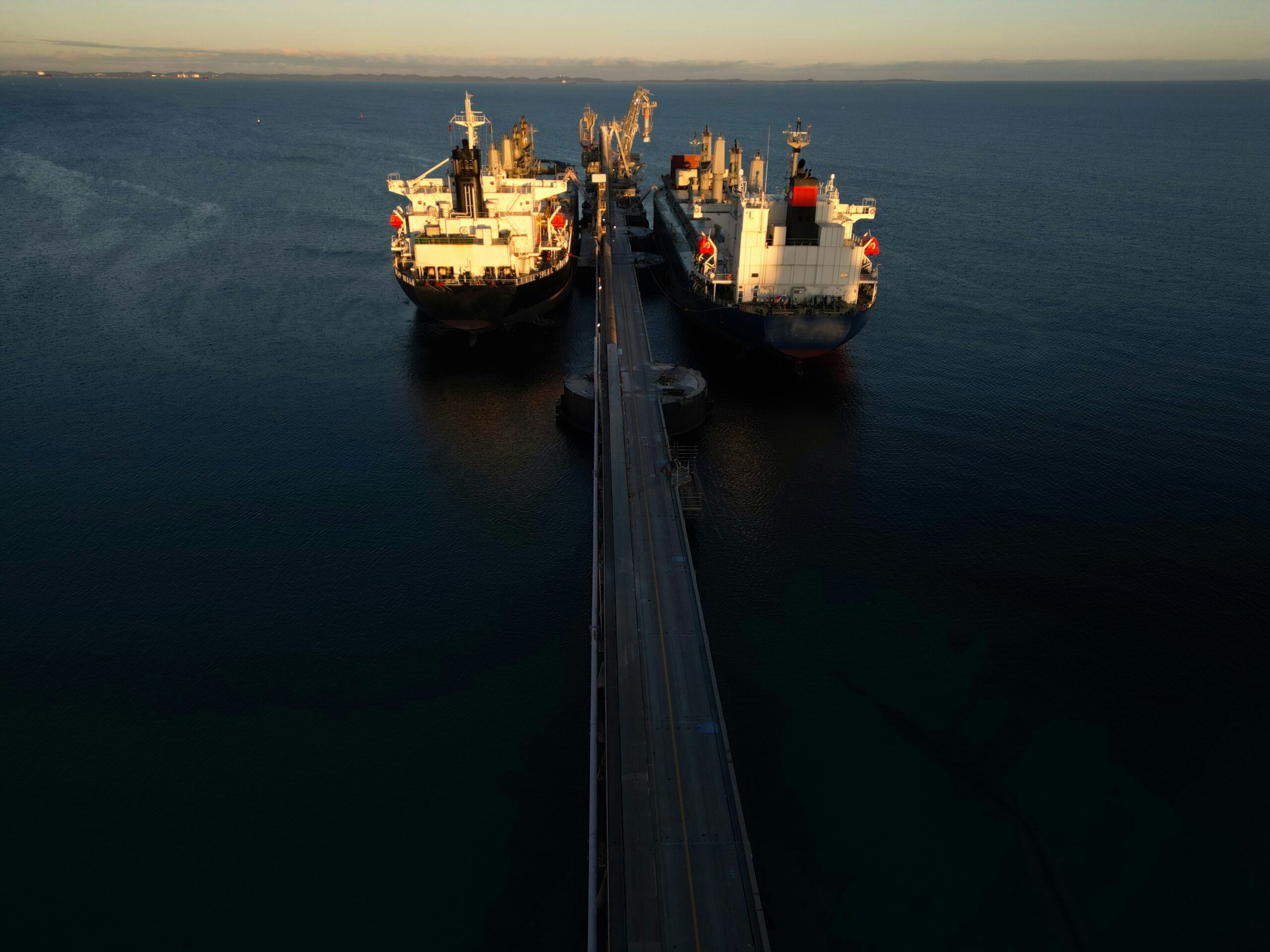
The Strait of Hormuz carries approximately 20 per cent of global oil and liquefied natural gas trade. Its closure since February had contributed to sustained energy price inflation, supply chain disruption across Asia and Europe, and significant pressure on energy-importing economies already dealing with post-pandemic cost pressures.
A durable reopening — assuming the Geneva framework holds — would materially ease those pressures. European energy markets, which have navigated successive supply shocks since 2022, would benefit directly from restored Hormuz flows. The question for energy traders is whether the 60-day ceasefire extension is long enough to allow meaningful supply normalisation, or whether the risk premium stays elevated until a permanent settlement is signed.
A Deal, Not a Resolution
The Hormuz framework is significant. It has pulled two countries back from a conflict that carried genuine escalation risk and removed a chokepoint that was costing the global economy tens of billions of dollars per month.
What it is not is a resolution. The nuclear question, the sanctions architecture, the regional security arrangements involving Israel and Lebanon — none of these are settled. The Geneva signing, if it happens, will be the beginning of a negotiation, not the end of one.
For now, ships can move through the strait. That is not nothing. But the harder reckoning is still ahead.