






























Technology has changed, and keeps changing, all industries, but there are certain industries faring better than others. Some industries in Europe have been impacted significantly more than others by technology, and more specifically by digitalization.
One of the industries thriving in Europe right now due to the digital revolution is the entertainment industry. Virtually every type of entertainment – movies and series, music, social meetups, video games, online casinos, and sweeps coins casinos which are proving to be especially popular with gamers due to the prizes on offer – has been made more accessible due to technological advancements. More accessibility means there’s a bigger market, an important factor for the industry to thrive. Big media companies like Spotify and Storytel are only possible due to our digital ecosystem.
Even forms of entertainment that we don’t think of as digital, such as literature, live performances, and amusement parks, have evolved due to the digital revolution. E-readers, for instance, make books cheaper and more easily accessible, live-streaming technology expands the audience for a performance and lowers the cost for people to see it, and amusement parks can offer more interactivity thanks to responsive digital media.
Join The European Business Briefing
New subscribers this quarter are entered into a draw to win a Rolex Submariner. Join 40,000+ founders, investors and executives who read EBM every day.
SubscribeTourism is another big industry where technology has played an important role. Most modern travelers plan and book almost everything online these days – hotels, flights, bus tickets, tours, and more. Europe is also extremely popular as a travel destination. In fact, 7 of the 10 most visited countries in the world are European countries! Among the most popular European countries to visit are the United Kingdom, France, Spain, Italy, and Germany, each attracting millions of visitors each year.
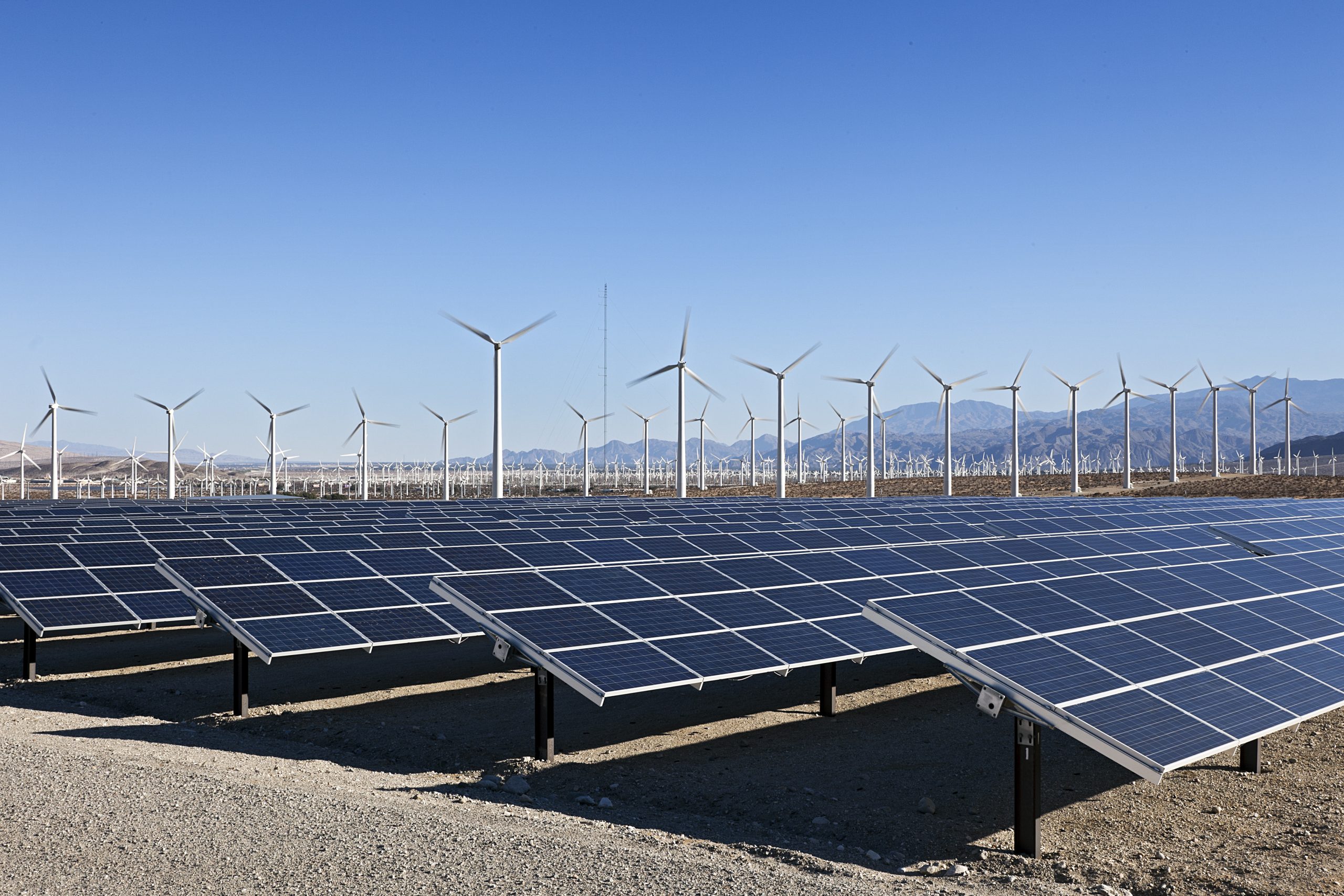
Another one of the biggest industries in Europe is the energy sector. The EU is promoting a transition to low-carbon, which will largely mean changing the energy models to one powered by wind and solar. According to a report from Eurostat, Europe now uses 19.5% renewable energy and 11.8% energy from nuclear power.
As big and innovation-rich as the industry is, it’s not enough yet. Particularly, there needs to be a shift to renewables to meet the EU’s 2030 climate targets for reducing greenhouse gas emissions by at least 55%.
“Southern Europe excels in solar power, while northern and Atlantic coastal areas excel in wind energy,” writes Alfred Kammer, Director of the European Department at the International Monetary Fund.
“An integrated electricity system can better balance supply and demand across countries, reduce reliance on costly backup power plants and storage, and smooth price fluctuations.”
Europe is also a leading actor in the fintech industry, with services such as Revolut and Wise, offering practical banking options with low fees to people from all over the world. Revolut now has over 50 million customers, and 16 million people are using Wise. Both of these companies are based in the UK and offer lower currency conversion fees and faster transfers than many standard banks.
While Europe is thriving in many of these industries and sectors, there’s still a lot of catching up to do. The USA remains a hub for innovation and technological growth, home to the biggest technology companies, like Amazon, Apple, and Alphabet.
The technology ecosystem in Europe is showing signs of improving performance, according to a McKinsey and Company report. Over a decade, the number of software start-ups in Europe has increased by 500%, and significant investments into technology are being made by national governments and the EU.