































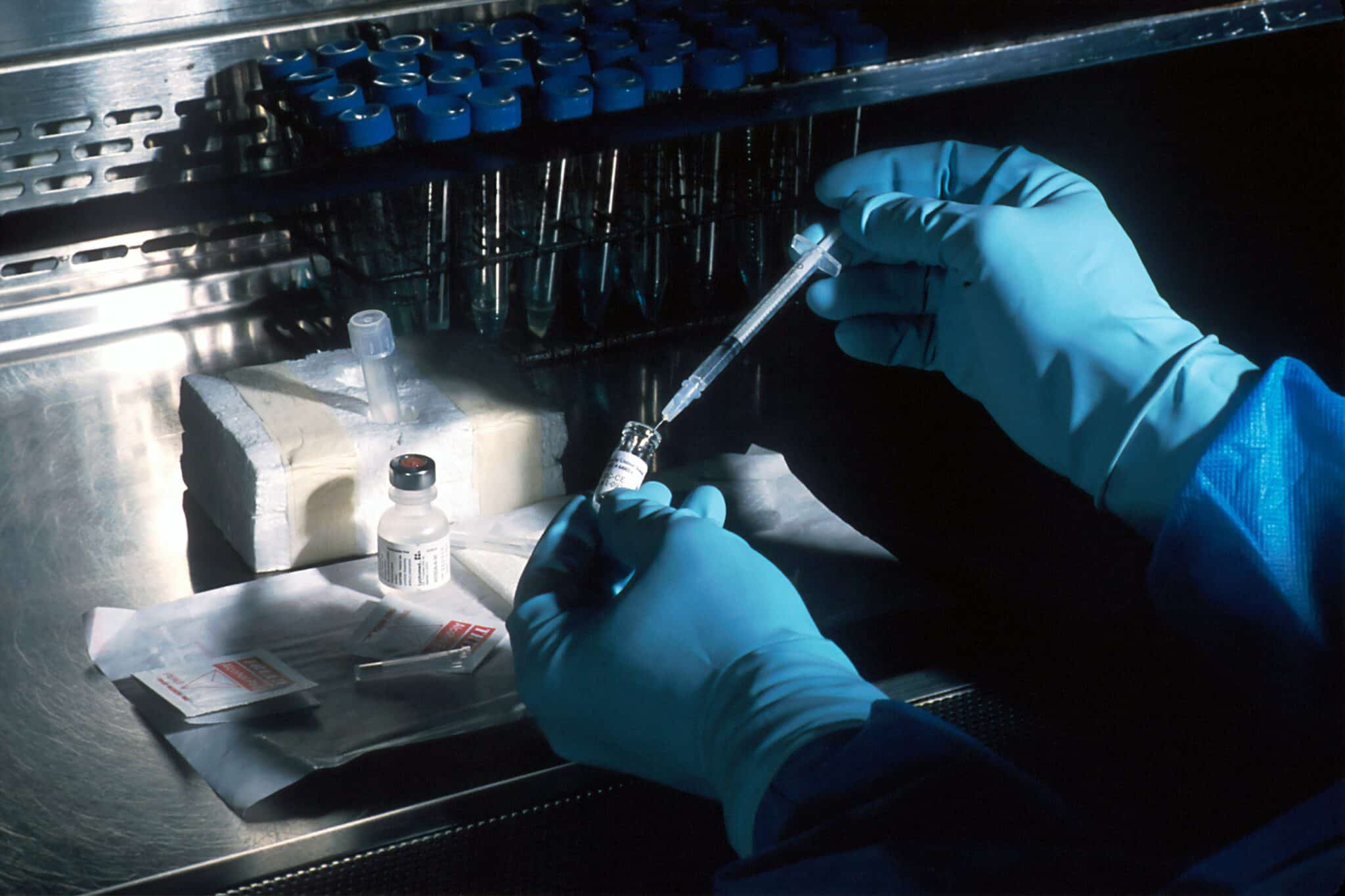
In clinical and biomedical research, biological samples often need to remain stable for months, years, or even decades. These materials may support ongoing trials, future testing, population health studies, or scientific questions that have not yet been asked.
Long-term preservation is therefore not simply about placing samples in a freezer. It requires appropriate temperature conditions, accurate sample tracking, continuous monitoring, and contingency plans that protect materials if something unexpected happens.
A reliable storage strategy helps researchers preserve the integrity of valuable samples and maintain confidence in the data generated from them.
Join The European Business Briefing
New subscribers this quarter are entered into a draw to win a Rolex Submariner. Join 40,000+ founders, investors and executives who read EBM every day.
SubscribeWhy Temperature Matters for Biological Samples
Biological materials can change over time if they are exposed to unsuitable conditions. Heat, temperature fluctuations, and repeated freeze-thaw cycles may affect their quality and limit their usefulness for later analysis.
The appropriate storage temperature depends on the sample type and its intended use. Some materials may be stored at ambient temperatures, while others require ultra-low temperature freezers or cryogenic liquid nitrogen systems.
Planning storage conditions from the start of a study can help prevent avoidable problems. Researchers should consider how long samples need to be kept, whether they will be retrieved frequently, and what future analyses may be required.
Common Storage Environments
Different storage options offer different benefits. A research team should choose an environment based on the properties of the material and the needs of the project.
Ambient Storage
Certain sample types, documents, and collection materials can be stored at ambient temperatures. Although this may appear straightforward, facilities still need appropriate security, organisation, and environmental controls to protect stored items.
Ambient storage can be useful for projects that manage a mixture of sample-related materials and need a centralised, traceable system.
Ultra-Low Temperature Freezers
Ultra-low temperature freezers are commonly used to preserve a wide range of biological samples. Freezers operating at around -80°C can support long-term storage for materials such as plasma, serum, DNA, and other research specimens.
These environments need regular temperature monitoring and reliable back-up plans. A power issue or equipment failure must be identified quickly so that samples can be protected before their storage conditions are affected.
Liquid Nitrogen Storage
Liquid nitrogen storage operates at cryogenic temperatures of approximately -196°C. It is often used for biological materials that require extremely low temperatures for long-term preservation.
At these temperatures, biological activity is effectively halted. This can make liquid nitrogen storage particularly suitable for materials such as cells, tissues, and reproductive samples where long-term viability is important.
Managing Freeze-Thaw Risk
A sample may be needed more than once during a research project. However, repeated freezing and thawing can affect some biological materials and lead to quality concerns.
One way to reduce this risk is aliquoting. This process divides a parent sample into smaller portions so that only the amount required for a particular test needs to be removed from storage.
Automated storage systems can also help minimise thermal disruption by retrieving specific samples efficiently. Instead of exposing a larger collection to changing temperatures during manual searches, targeted retrieval can support better preservation.
Why Monitoring and Contingency Planning Are Essential
Storage conditions should be monitored continuously, not checked only when a sample is needed. Temperature alerts and monitoring systems can help facilities identify potential issues quickly.
However, monitoring alone is not enough. A strong storage plan should include practical steps for handling unexpected events. These may include:
- Uninterrupted power supply systems
- Back-up generators
- Contingency freezers or storage units
- Alarm escalation procedures
- Trained teams available to respond quickly
- Disaster recovery planning
These safeguards help reduce the risk of sample loss during power failures, equipment issues, or other incidents.
Traceability Is as Important as Temperature
A well-preserved sample is only useful if it can be found and identified correctly. Accurate records should show what the sample is, where it is stored, how it has been handled, and whether it has been retrieved or used.
Laboratory information management systems can provide this visibility. They help researchers maintain a clear chain of custody and make it easier to locate samples without unnecessary handling or delays.
For large collections, traceability can be particularly valuable. It supports efficient retrieval, quality assurance, and confidence that each sample remains connected to the correct study information.
Organisations looking for dependable Samples Storage should consider the full storage environment, including temperature options, monitoring systems, sample tracking, capacity, and long-term resilience.
Planning for Research Growth
A study that begins with a small number of samples may grow into a larger programme. Research teams should therefore consider whether their storage arrangement can scale with future needs.
Scalable storage can support additional sample volumes, new sample types, and longer retention periods without requiring disruptive transfers. It also helps organisations plan for future research opportunities rather than making decisions only for their immediate needs.
FAQ
Why are different temperatures needed for different samples?
Different biological materials have different stability requirements. The right temperature helps protect the sample from degradation and ensures it remains suitable for its intended use.
What is a freeze-thaw cycle?
A freeze-thaw cycle occurs when a frozen sample is thawed and then frozen again. Repeated cycles can affect the quality of some materials.
How can a storage facility protect samples during a power cut?
A reliable facility should use back-up power, alarms, contingency equipment, and emergency response procedures to protect samples if a power failure occurs.
Why is sample tracking important?
Tracking helps researchers identify a sample, understand its history, and locate it efficiently. This supports traceability, quality assurance, and reliable study management.
Conclusion
Effective biological sample storage is built on much more than low temperatures. It requires the right environment for each sample type, careful handling, continuous monitoring, accurate records, and strong contingency planning.
By taking a long-term approach to storage, research teams can protect valuable materials and ensure they remain ready to support meaningful scientific work in the future.