






























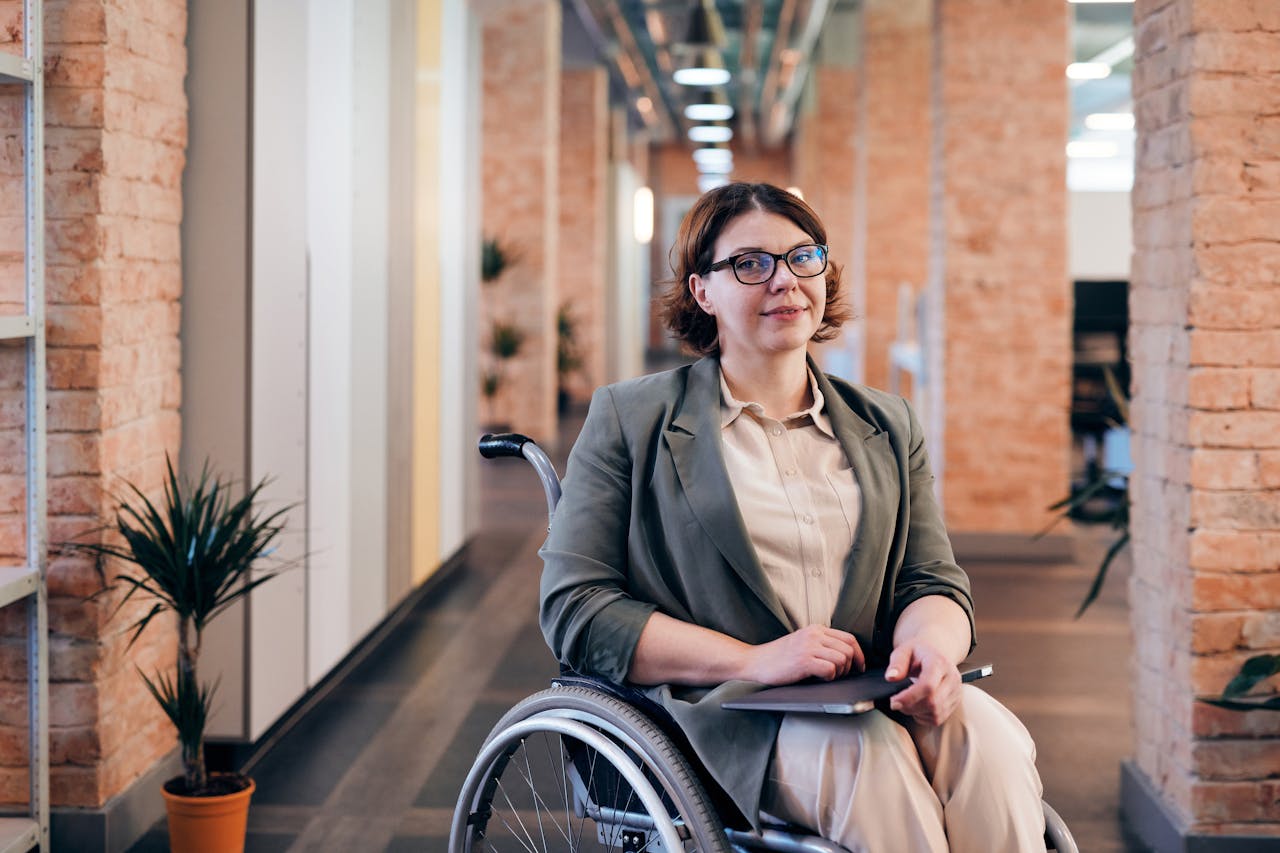
For millions of people with disabilities, daily life comes with unique considerations. Simple tasks may require extra planning, making wellness routines an important part of maintaining comfort and mobility.
Awareness is growing, and more people are embracing adaptive fitness, non-toxic products, and accessible solutions. Small, smart choices can enhance independence and well-being.
In this blog, we’ll explore how wellness routines support disability management and why small changes can have a big impact.
Join The European Business Briefing
New subscribers this quarter are entered into a draw to win a Rolex Submariner. Join 40,000+ founders, investors and executives who read EBM every day.
SubscribeWhy Wellness Routines Matter More for Disability Management
For many, wellness routines are a choice. You decide whether to go to the gym, eat healthier, or try meditation. But for those managing disabilities, wellness is often a necessity. It’s about maintaining mobility, reducing pain, and preventing complications that could lead to further limitations.
Take movement, for example. Regular physical activity can help with circulation, joint health, and muscle function. But traditional workouts don’t always work for people with limited mobility or chronic pain. That’s why more accessible options—like chair yoga, water therapy, and guided stretching—are becoming mainstream. The goal isn’t to run a marathon; it’s to keep the body as strong and flexible as possible.
Then there’s the importance of a clean, healthy home. Many people with disabilities have sensitivities to certain chemicals found in household products. Strong fragrances, harsh disinfectants, and synthetic ingredients can trigger allergic reactions, respiratory issues, or skin irritation.
This is where Melaleuca: The Wellness Company comes in. Founded by Frank VanderSloot in Idaho Falls in 1985, it has become a leader in wellness products, focusing on creating effective, nature-inspired solutions. Their products prioritize safety and quality, making them a great choice for those who want to avoid unnecessary irritants in their home. If you’re looking for a place to start, checking out the best Melaleuca products can introduce you to a variety of safe, science-backed home essentials.
Beyond home products, wellness routines also include stress management. Chronic conditions often come with emotional strain—frustration, anxiety, and exhaustion from daily challenges. Mindfulness techniques, relaxation exercises, and structured routines can help manage these stressors, improving overall well-being.
Small Adjustments, Big Impact
Not every wellness habit requires a major lifestyle change. Sometimes, it’s the little things that make the biggest difference.
1. Prioritizing Sleep for Better Recovery
Good sleep is essential for everyone, but it’s especially important for those managing chronic pain or fatigue-related conditions. Poor sleep can worsen pain, slow recovery, and increase stress levels. Creating a nighttime routine—using comfortable bedding, reducing screen time, and maintaining a consistent schedule—can help improve rest.
2. Nutrition That Supports Energy and Strength
For individuals with mobility issues, diet plays a major role in maintaining strength and preventing inflammation. Processed foods and high-sugar diets can increase fatigue, while nutrient-dense meals provide lasting energy. Easy-to-make, whole-food options can support digestion, brain function, and muscle health.
3. Adapting Movement to Fit Physical Needs
Traditional exercise routines don’t always work for people with disabilities. But movement is still important. Whether it’s physical therapy, stretching, or light resistance training, customized activities help maintain flexibility and reduce stiffness. Many disability-friendly fitness programs now focus on inclusivity, making movement more accessible for all.
4. Creating a Healthy, Non-Toxic Environment
Household products can impact well-being more than people realize. Many conventional cleaners and personal care products contain harsh chemicals that can trigger sensitivities. Swapping these out for safer alternatives can lead to better air quality, reduced irritation, and fewer allergic reactions.
5. Managing Stress for Long-Term Health
Living with a disability often means dealing with added stress—whether from medical challenges, accessibility barriers, or daily fatigue. Mindfulness, journaling, and relaxation techniques like deep breathing can help manage stress and promote a sense of balance.
The Shift Toward More Inclusive Wellness Solutions
Wellness is no longer just about hitting the gym or following a strict diet. There’s a growing movement toward inclusive health solutions that recognize different needs.
Major fitness brands are introducing adaptive workout equipment. More healthcare professionals are focusing on holistic approaches, combining physical and mental wellness. Even workplaces are becoming more mindful of disability-friendly wellness initiatives, offering ergonomic workstations and flexible schedules.
Companies creating wellness products are also stepping up. More brands are removing harsh ingredients, prioritizing accessibility, and designing solutions that work for everyone. Consumers are demanding better options, and the market is responding.
At the same time, online communities are growing. Social media and support networks provide spaces for individuals with disabilities to share wellness tips, product recommendations, and personal experiences. This collective knowledge is making it easier for people to find what works best for their specific needs.
Building a Routine That Works for You
There’s no one-size-fits-all wellness plan. Each person’s needs are different, which is why flexibility is key. The best routines are the ones that fit your lifestyle and abilities—without adding stress.
Start small. Swap one product for a safer alternative, add a few minutes of gentle movement, or set a regular sleep schedule. Track what helps and adjust as needed. Consistency matters more than intensity.
Support systems also play a big role. Whether it’s a caregiver, a friend, or an online community, having people who understand your needs can make a difference. Wellness isn’t just about what you do—it’s also about the resources and people who help along the way.
All in all, wellness routines don’t have to be complicated. They don’t require extreme effort or a total life overhaul. The goal is to find what works and make small, manageable changes that improve comfort, function, and overall quality of life.
- A cleaner home with fewer irritants.
- A movement routine that fits personal ability.
- A nutrition plan that provides lasting energy.
- A sleep schedule that supports recovery.
- A stress-management practice that reduces mental strain.
Each of these adjustments, no matter how small, contributes to better health. And over time, they add up to something bigger—a lifestyle that supports independence, ease, and well-being.
A healthier life isn’t about doing everything perfectly. It’s about making choices that make daily living just a little bit easier. And that’s something everyone deserves.