































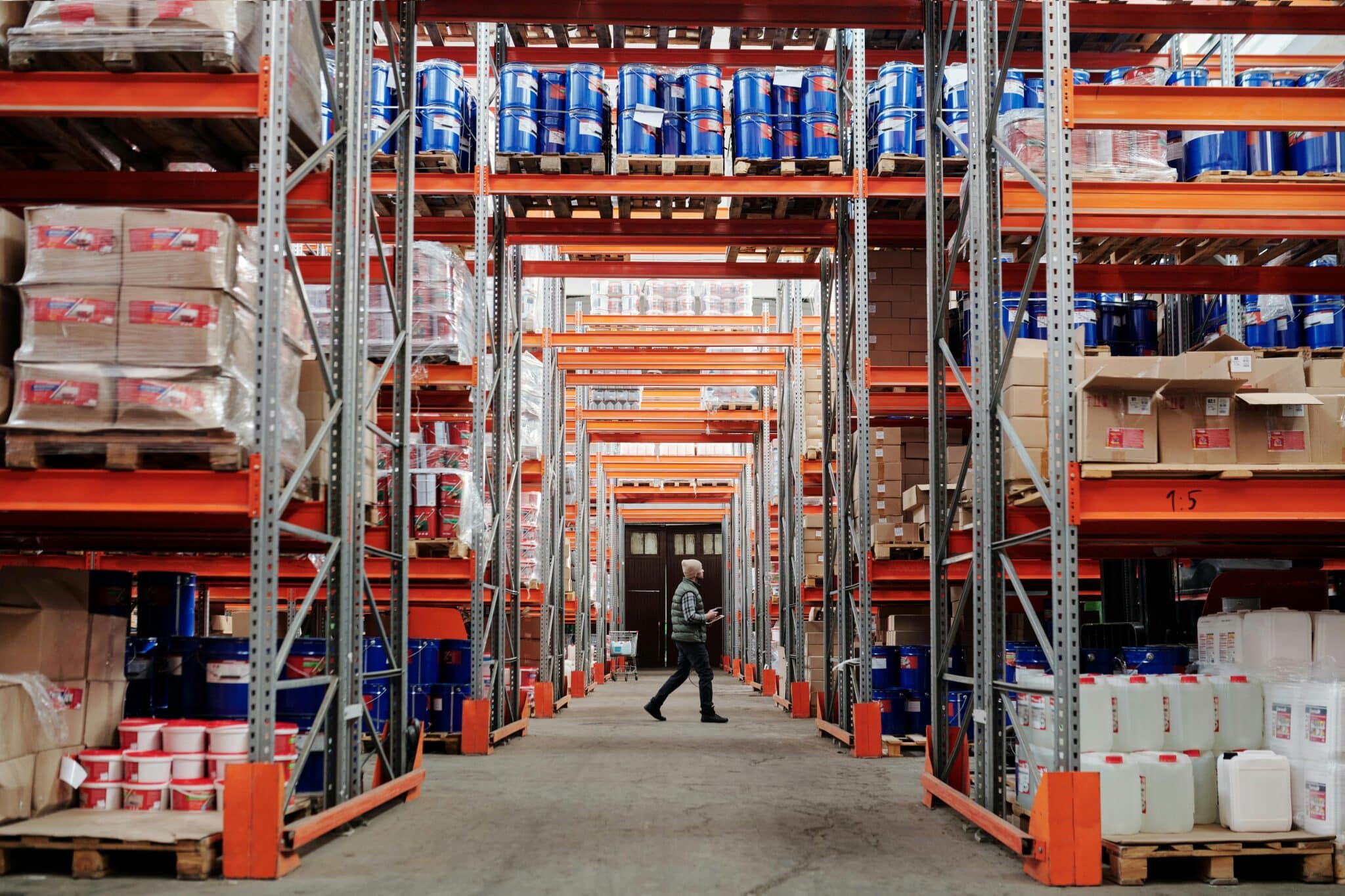
People often shop for storage as if they are buying square footage, when the real issue is operational slack. The pitch sounds simple: secure access, clean units, flexible terms. But the hidden cost usually sits in the handoff between what needs to be stored, how often it moves, and who absorbs the risk when plans change.
For businesses, that gap shows up in inventory, records, equipment, seasonal overflow, and items that do not belong in an office but still need to stay available. For consumers, it appears during a move, renovation, family change, or downsizing. In both cases, the choice is less about renting space and more about protecting time, cash flow, and control.
Why Storage Is a Finance Decision Before It Is a Real Estate Decision
The most useful way to think about storage is as a cost-control tool. If an item is worth keeping but not worth crowding into active space, storage can delay a larger expense: leasing more room, paying for rushed replacements, or absorbing damage from poor conditions. That is why businesses and households alike often make the same mistake in different ways: they compare monthly rent and ignore the cost of disorder.
Join The European Business Briefing
New subscribers this quarter are entered into a draw to win a Rolex Submariner. Join 40,000+ founders, investors and executives who read EBM every day.
SubscribeA well-run facility can support cleaner forecasting. Seasonal merchandise can be separated from day-to-day stock, files can be retained without clogging working areas, and equipment can be held until it is needed instead of being buried where it gets damaged or forgotten. The value shows up in fewer interruptions, fewer duplicate purchases, and fewer emergency decisions.
Specialized conditions can cost more, but they may still be the smarter choice for sensitive or high-value items. Temperature control is not a luxury when heat or humidity can warp, crack, or degrade what you are trying to protect. For small businesses especially, that choice can affect working capital, while households feel it through avoided replacement costs and less disruption. This is usually where buyers start looking at NSA Storage E Sahara Ave climate storage more carefully in real-world conditions.
What Experienced Buyers Check Before They Sign
The smoothest decisions come from asking harder questions up front. A facility can look modern and still be a poor fit if the practical details do not match what you are storing. Think about how often you will visit, what condition the items must remain in, and what happens if access is delayed for a day or two.
Match the Unit to the Item, Not the Other Way Around:
Start with the item, not the listing. Paper records, electronics, wood furniture, tools, and business inventory all behave differently over time. A unit that works for boxed household goods may be the wrong choice for items that dislike heat, humidity, or frequent access.
Do not assume a lower monthly rate means a lower total cost. An inexpensive unit that leads to damaged inventory or repeated trips is not cheap. It is just deferred loss. The better question is whether the setup protects value and fits the way you actually use it.
Look for the Small Frictions That Add Up:
The most annoying storage problems are rarely dramatic. They are the missing cart, the awkward gate code, the long walk from vehicle to unit, or the hours when access does not match your schedule. Those details shape real usage, and businesses feel the inefficiency quickly.
Convenience is not a perk. It is part of whether the arrangement gets used well. Clean hallways, working lights, and clear instructions may sound basic, but they reduce mistakes and wasted time.
Treating Storage as a Dumping Ground:
The common mistake is to store uncertainty instead of making decisions. People put away items they should sell, recycle, archive, or discard because postponement feels cheaper. It usually is not. Unclear ownership and vague intent create clutter that grows more expensive over time.
A better habit is to assign every item a reason for being there and a rough review date. If you cannot explain why something is stored, you probably have not finished the decision.
- Check how often you will need access, not just whether access exists.
- Estimate loading time as part of the cost.
- Make sure the layout fits the vehicles you actually use.
A More Reliable Way to Choose and Use Space
A better storage decision starts with a quick audit. You do not need a spreadsheet worthy of an auditor, but you do need enough structure to avoid paying for convenience you will not use.
Treat the unit like part of a broader plan. If it serves operations, organize it like an operating asset. If it serves a household, let it support a transition instead of extending uncertainty indefinitely.
- List what you are storing and separate it by sensitivity, access frequency, and replacement cost.
- Decide which items need climate protection, which need easy vehicle access, and which could be eliminated instead of stored.
- Build the monthly cost into the larger budget: storage fee, transport time, insurance, and any labor needed to move items in or out.
- Label everything by category and use a simple map or inventory list so you do not pay to search for your own belongings.
- Set a review date for temporary items tied to a move, product cycle, tax record window, or renovation timeline.
What Good Judgment Looks Like When Space Is Tight
The best storage choices are usually boring in the right way. They remove noise from operations, make the floor easier to manage, and reduce disruption during moves or busy seasons. The benefit is indirect, which is why people sometimes underestimate it.
There is a line between useful flexibility and rented indecision. If space becomes a permanent holding pattern for problems you have not priced, it stops being a tool and starts becoming a habit. The discipline is not in finding the cheapest unit. It is in knowing what belongs there, what does not, and when the answer should be no.
Good operators know that a low monthly expense is not automatically efficient if it creates waste elsewhere. The same idea applies to households. A storage decision should lower stress, protect value, and keep future choices open. If it does not, the arrangement may be too expensive even if the rent looks modest.
The Real Payoff Is Control
Storage looks simple from the outside, but the value comes from judgment. Businesses use it to protect working capital, smooth operations, and avoid bigger space commitments too early. Consumers use it to stay organized without making rushed, expensive choices.
If you evaluate it like a finance decision instead of a last-minute convenience, the result is usually better. The right setup does not just hold things. It keeps plans workable when schedules, seasons, and budgets get messy.






