


























London, 2 November 2026 — EBM Newsdesk Analysis — By Anthony Gill
Michael O’Leary has spent decades telling rivals they are too expensive. Now he is turning the knife on his own cost base.
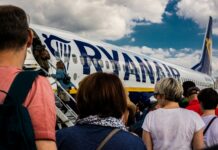
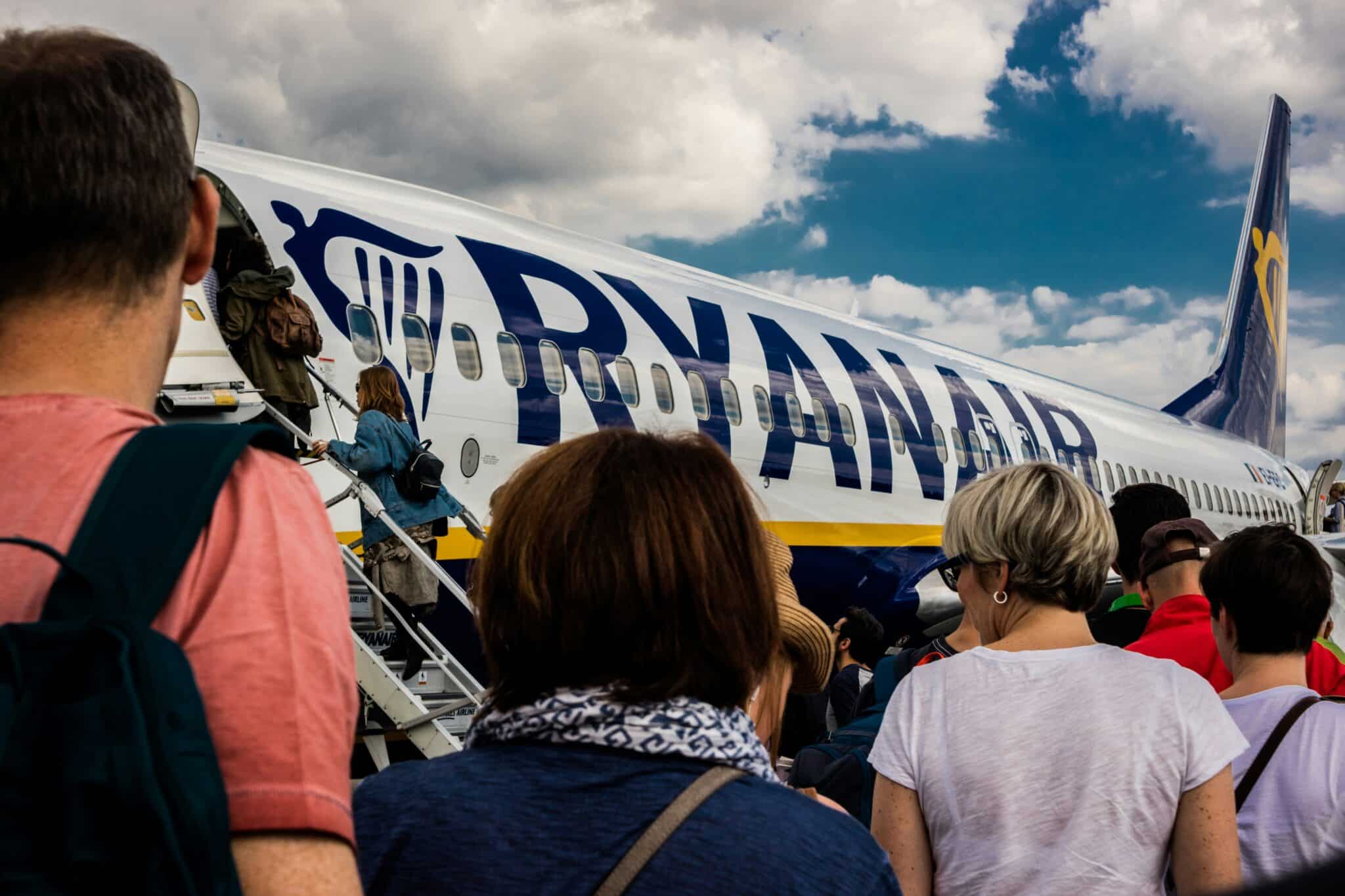
Europe’s largest airline said on Monday that it was considering temporary pay freezes, leaner crewing on its aircraft and greater use of AI in back-office jobs. The reason is fuel. Ryanair expects its fuel bill to rise by about €2bn in the financial year starting April 2027, and O’Leary warned that higher fares are “unlikely to provide a full offset.”
Profits Fall Despite Record Passengers
The first-half numbers show the squeeze already starting. Profit after tax for the six months to 30 September fell 15% to €2.15bn, from €2.54bn a year earlier. Passenger numbers rose 6% to 125.8 million, and revenue was up 3%, but average fares fell 4% to €57.50.
Join The European Business Briefing
New subscribers this quarter are entered into a draw to win a Rolex Submariner. Join 40,000+ founders, investors and executives who read EBM every day.
SubscribeCosts rose 10%. Most of that came from the 20% of fuel Ryanair had not hedged, which roughly doubled in price after the Iran war pushed oil above $109. The rest of its fuel is hedged at $67 a barrel until the end of March. That protection runs out next spring, which is why the €2bn figure matters.
“Unless there is a swift resolution of the Middle East conflict, we expect jet-fuel prices to remain elevated well into 2027,” O’Leary said.
The Cost Review
Ryanair says it is reviewing every part of the group: airport deals, labour agreements, crewing ratios, and back-office and support work. Several multi-year pay deals with unions are coming to an end, and the airline has said they “may require temporary pay freezes.”
Lower crewing ratios mean fewer staff per aircraft, which in practice means less hiring as the fleet grows. More AI in support functions points the same way. This is the type of AI-driven job restraint now spreading through European companies, from banks to tech groups.
Expect resistance. Ryanair’s relations with pilot and cabin crew unions have improved since the strikes of 2018, but a pay freeze during a cost-of-living squeeze is a hard sell. More than 250 current and former pilots are already pursuing a group claim over holiday pay.
Fares Are Going Up
Passengers will pay too. O’Leary has signalled that European short-haul fares could rise by 15% to 20% next year. Rivals are already moving: easyJet raised ticket prices as jet fuel surged, and the industry has shown it is happy to hold fares high even when fuel costs retreat.
Ryanair is still better placed than most. Its hedging, scale and low costs give it a cushion that weaker carriers lack. Jet2 has gone further, building a £3.3bn fortress with an 87% fuel hedge. And O’Leary has long predicted that high costs will finish off Europe’s weaker airlines. If that happens, Ryanair picks up their routes and passengers.
The Call
This is classic O’Leary: warn early, cut hard and come out stronger. A €2bn fuel hit sounds brutal, but Ryanair is the airline most likely to survive it, and possibly grow because of it. The real cost falls on staff facing frozen pay and on passengers facing fares 15–20% higher. If the Middle East conflict drags into 2027, Europe’s cheap flights era may be paused, and Ryanair will be the one setting the new price.
Related Analysis






