






























Power supply stability has become a central concern for governments, industries, and businesses around the world as energy demand continues to rise and grid reliability faces mounting pressure. Rapid urbanisation, increased digital dependence, climate-driven disruptions, and expanding industrial activity have exposed vulnerabilities in traditional power networks. As a result, generators and backup power systems are no longer viewed as optional safeguards but as critical infrastructure components across sectors ranging from healthcare and manufacturing to data centres and logistics.
In response to these challenges, demand for medium-to-large capacity generator systems has increased sharply, with organisations closely evaluating options such as the 250kva generator to support uninterrupted operations. These systems are increasingly seen as a balance between scalable capacity and operational efficiency, particularly for facilities that cannot afford power downtime. This growing interest reflects a wider shift towards resilient energy planning rather than reliance on a single power source.
Join The European Business Briefing
New subscribers this quarter are entered into a draw to win a Rolex Submariner. Join 40,000+ founders, investors and executives who read EBM every day.
SubscribeGrid Instability Drives Generator Adoption Worldwide
Recent years have highlighted the fragility of centralised power grids. Extreme weather events, ageing infrastructure, fuel supply issues, and unexpected surges in demand have contributed to frequent outages in many regions. Even brief power interruptions can result in significant financial losses, operational delays, and safety risks, particularly for mission-critical environments.
As a result, organisations are rethinking energy risk management. Generators are now being integrated into long-term infrastructure planning rather than added as emergency afterthoughts. This trend is particularly evident in industrial zones, commercial complexes, and rapidly expanding urban areas where consistent power supply is essential for economic continuity.
Industrial Growth Fuels Demand for High-Capacity Power Solutions
Industrial expansion remains a major driver behind the growing generator market. Manufacturing plants, mining operations, construction sites, and processing facilities require reliable power to maintain productivity and meet contractual deadlines. For these operations, even short power disruptions can compromise safety, damage equipment, or lead to costly downtime.
Medium to high-capacity generators have become increasingly popular because they provide sufficient power to run heavy machinery, automation systems, and safety equipment simultaneously. This demand is reinforced by global supply chain pressures, where uninterrupted production has become critical to maintaining competitiveness in international markets.
Data Centres and Digital Infrastructure Lead the Shift
The expansion of digital infrastructure has significantly reshaped the power supply landscape. Data centres, cloud computing hubs, and telecommunications facilities consume vast amounts of electricity and operate continuously. Any power interruption, even momentary, can result in data loss, service outages, or reputational damage.
To address this risk, data-driven industries are heavily investing in redundant power systems that combine grid supply, generators, and energy storage. Generators form the backbone of these systems, offering immediate backup power during grid failure and ensuring operational continuity during extended outages.
Cleaner and More Efficient Generator Technologies Emerge
One of the most notable trends in the generator sector is the push towards cleaner and more efficient technologies. Modern generator systems are being designed to reduce emissions, improve fuel efficiency, and operate more quietly than previous generations. Manufacturers are responding to regulatory pressure and sustainability goals by integrating advanced engines, improved filtration systems, and smarter load management features.
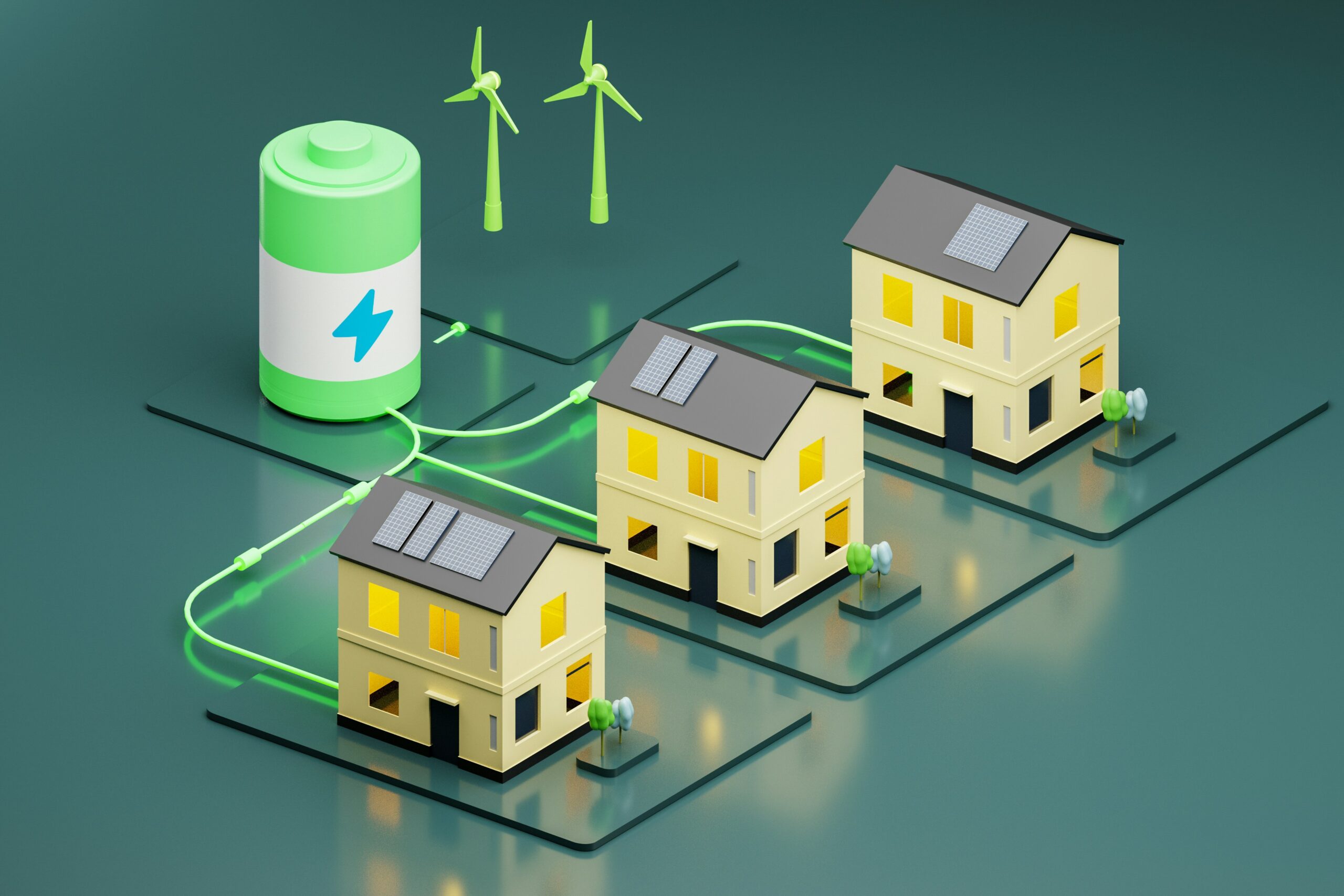
Hybrid generator solutions are also gaining traction. These systems combine traditional fuel-based generators with renewable energy sources and battery storage, enabling lower fuel consumption while maintaining reliability. Such configurations allow generators to operate only when necessary, reducing both environmental impact and operational costs.
Energy Security Becomes a Strategic Priority
Energy security has moved beyond technical discussions and into strategic planning. Businesses and institutions now recognise that power interruptions can have far-reaching consequences, including safety risks, regulatory penalties, and contractual failures. This has elevated power supply resilience to boardroom-level decision-making.
Generators play a central role in this strategy by providing control and predictability. Unlike grid supply, generator-backed systems allow operators to plan capacity, maintenance schedules, and fuel reserves according to specific operational needs. This autonomy is particularly valuable in regions where grid performance is inconsistent or where expansion has not kept pace with demand.
Urbanisation and Infrastructure Projects Increase Demand
Rapid urban development is another factor accelerating generator adoption. Large residential complexes, transport hubs, hospitals, and commercial developments often require temporary or permanent power solutions during construction and early operational phases. In many cases, generators serve as the primary power source before grid connections are finalised.
Even after grid integration, backup systems are retained to ensure continuity during maintenance, overloads, or emergencies. As cities grow denser and more complex, the tolerance for power disruption continues to decline, reinforcing the importance of dependable power supply solutions.
Maintenance and Lifecycle Planning Gain Importance
Alongside increasing adoption, there is growing awareness around generator maintenance and lifecycle management. Modern users are placing greater emphasis on system monitoring, fuel efficiency, and predictive maintenance to maximise reliability. Digital control panels and remote monitoring tools now allow operators to track performance metrics and address issues before failures occur.
This proactive approach reduces long-term costs and ensures compliance with safety and operational standards. It also highlights a broader trend towards treating generators as integral infrastructure assets rather than occasional-use equipment.
Future Outlook for Generators and Power Supply
Looking ahead, generators are expected to remain a crucial part of the global energy landscape, even as renewable energy adoption accelerates. While solar, wind, and other renewables continue to expand, their intermittent nature reinforces the need for reliable backup systems capable of delivering power instantly.
Future developments are likely to focus on further efficiency improvements, lower emissions, and greater integration with smart energy networks. As power demand becomes more dynamic, generators will evolve from standalone units into intelligent components of hybrid energy ecosystems.