































Riyadh, 23 July 2026 — EBM Newsdesk Analysis — By Nick Staunton
On 22 July, Yemen’s Houthis said they had struck two Saudi tankers, the Encelia and the Layla, with missiles and drones in the Red Sea. Saudi Arabia’s state news agency confirmed a fire at the bow of one vessel and said all crew were safe. One ship was carrying crude to India and the other to China, which tells you rather a lot about who actually depends on this route. Brent rose 4.6% to $98.44 on Thursday morning, and the number that matters is not the price.
Saudi Arabia has spent five months proving it could work around the Strait of Hormuz, and it succeeded. What it could not do was change where the oil has to sail once it reaches open water. That limitation is now the central fact of the oil market, and Europe is about to pay for it again.
Join The European Business Briefing
New subscribers this quarter are entered into a draw to win a Rolex Submariner. Join 40,000+ founders, investors and executives who read EBM every day.
SubscribeThe pipeline only solved half the problem
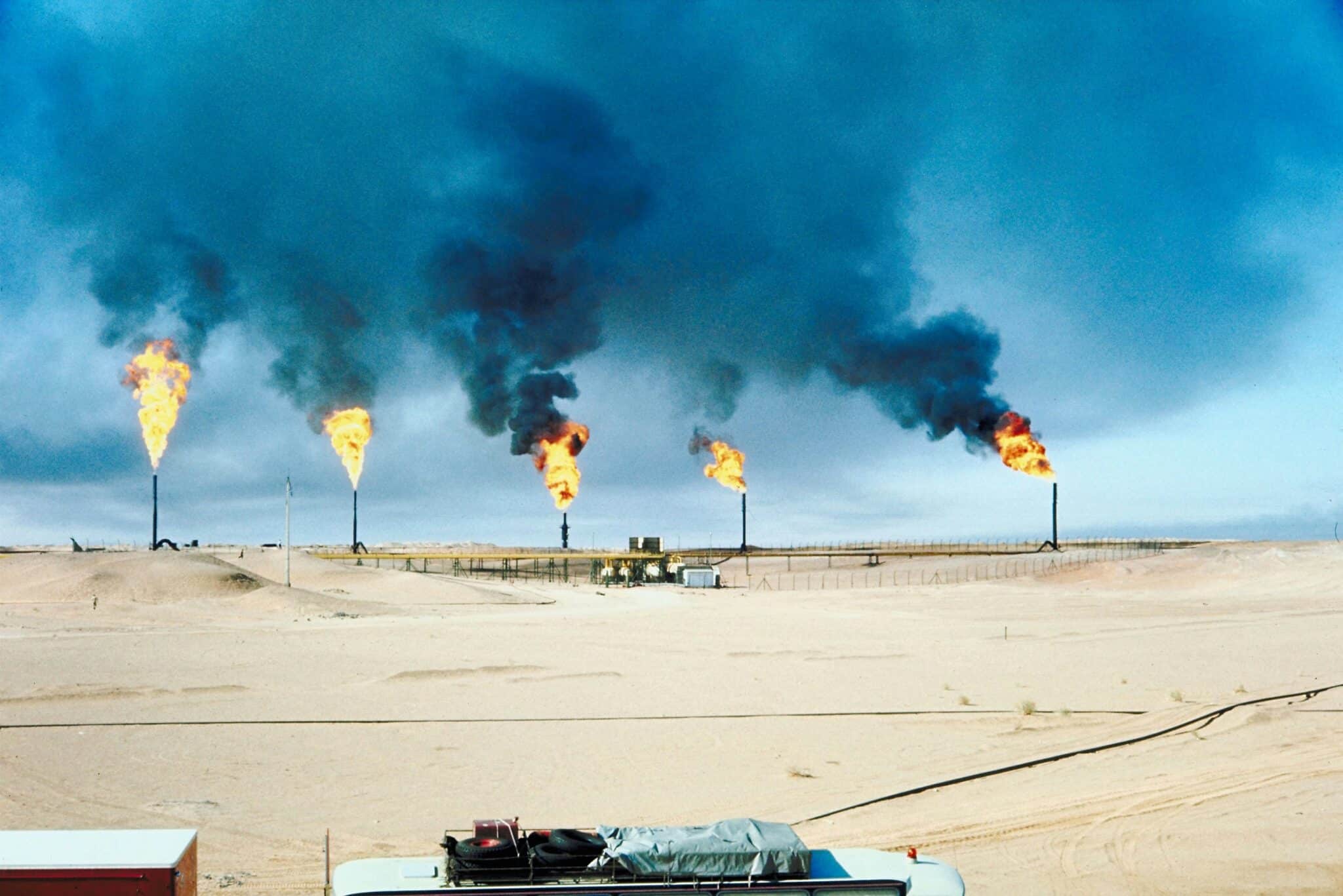
The East-West Pipeline, known as the Petroline, runs 1,200 kilometres from the Abqaiq oil hub across the Arabian Peninsula to the Red Sea port of Yanbu. It was built in the 1980s during the original Tanker War as a hedge against exactly this scenario. Aramco pushed it from a normal load of around two million barrels a day to its full seven-million-barrel ceiling by late March. Roughly four to five million barrels a day now cross the desert rather than risk Hormuz.
It worked. That is worth saying plainly.
But a pipeline moves oil to a port. It does not move oil to a customer. Every tanker loading at Yanbu still has to sail south and squeeze through the Bab el-Mandeb strait, a gap about thirty kilometres wide at its narrowest, within easy reach of Houthi drones. We wrote in April that the Petroline bypasses Hormuz but not Houthi drones. That is no longer a warning. It is a description.
The only other way out of the Red Sea is north through Suez, which deposits the cargo in the Mediterranean. If your buyer is in Asia, that is the wrong ocean.
Both doors are now contested
Hormuz normally carries around 20 million barrels a day, close to a fifth of world supply. Supertanker crossings have fallen to roughly two a day, down from eight in late June. Bab el-Mandeb has been handling about 6.2 million barrels a day, of which perhaps 2.5 to 3.5 million is Saudi crude out of Yanbu. Helima Croft of RBC Capital Markets calls the prospect of losing both a “no way out” situation, and she is right.
It is not a closure yet. Seventy-three ships passed through on Tuesday, and only four vessels have turned back near the Gulf of Aden. What has changed is that no owner can now assume safe passage at either end, which is a different thing from a blockade and in some ways a more expensive one. This is the same logic that turned Hormuz transit into a toll question earlier this month.
Why $98 is not panic
Brent touched $126 at the end of April. So this is not the top, and the market is not pricing catastrophe. It is doing something more considered: withdrawing an assumption. For five months traders held the view that Saudi Arabia had a functioning workaround. That view is now gone, and the price has adjusted accordingly. Brent is on course for a monthly gain of more than 35%, its third-largest in a decade.
Europe hedged nothing
Riyadh built a pipeline in the 1980s. Dubai is building ports outside the strait right now. Europe closed its refineries as unprofitable and leaned on Gulf supply, and has no pipeline, no terminal beyond Hormuz and no equivalent hedge of any kind. British pump prices broke through 150p a litre in the spring and the ECB has already postponed its rate cuts.
The verdict is uncomfortable but simple. The Petroline was good engineering and a sound hedge, and Saudi planners deserve credit for having built it forty years before they needed it. It was also only ever half a hedge, because it fixed the geography of the Gulf and left the geography of the voyage untouched. Europe, by contrast, hedged nothing at all, and is now learning that being a reliable customer is not the same as having a strategy.
Related Analysis






