






























London, 18 August 2026 — EBM Newsdesk Analysis —Katie Winearls
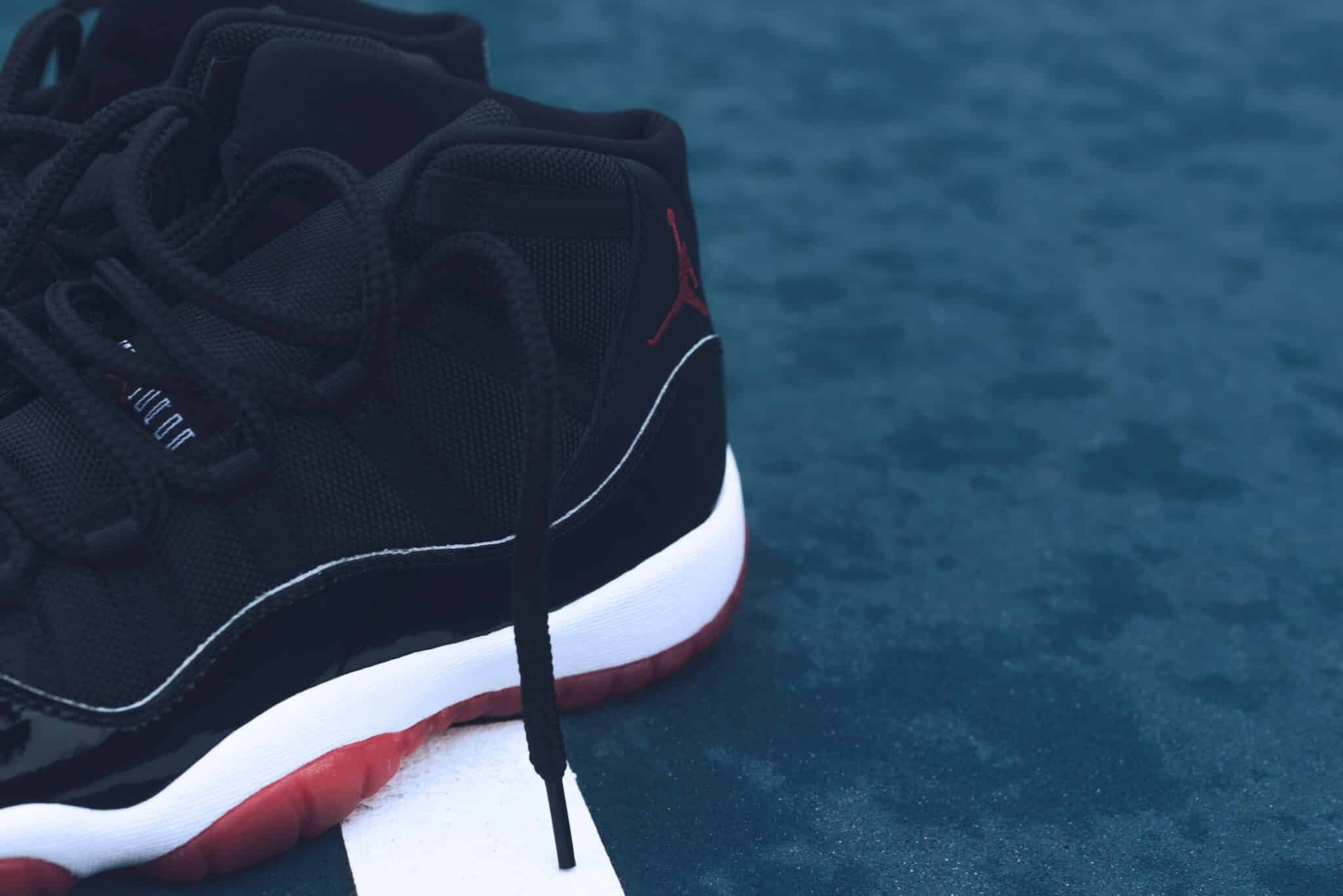
For years, Qiaodan appeared to be little more than an intellectual-property headache for Nike: a Chinese sportswear company whose name and basketball-player logo bore an uncomfortable resemblance to Michael Jordan and his famous Jumpman brand.
That interpretation now looks dangerously complacent. Qiaodan has developed from a contentious domestic imitator into a substantial sportswear operator with thousands of stores, hundreds of millions of dollars in revenue and ambitions extending beyond China.
Join The European Business Briefing
New subscribers this quarter are entered into a draw to win a Rolex Submariner. Join 40,000+ founders, investors and executives who read EBM every day.
SubscribeIts advance matters not because Qiaodan is about to displace Nike globally. It matters because the company illustrates how profoundly China’s sportswear market has changed. Nike is no longer defending its position against one or two recognised national champions. It is fighting a widening field of increasingly competent domestic businesses that understand local consumers, operate extensive retail networks and compete aggressively on price and product.
Qiaodan, renamed Zhongqiao Sports in 2021, was founded in 2000. By 2021 it had generated close to $850mn in revenue and built a network of roughly 6,000 stores, according to the Financial Times. It has expanded its product range, pursued overseas growth and acquired control of the Umbro business in China.
What began as a legal nuisance has become a competitive warning.
From courtroom battle to commercial rival
Michael Jordan began legal action against the company in 2012, arguing that its branding improperly exploited his identity. China’s highest court later ruled in his favour over the use of the Chinese characters commonly associated with his name, although the decision did not dismantle the wider business.
The legal dispute damaged Qiaodan’s reputation internationally, but it did not prevent the company from accumulating distribution, manufacturing expertise and consumer recognition inside China.
That distinction is important. Western companies have often assumed that questionable origins place a permanent ceiling on a Chinese competitor’s development. Yet businesses can use the cash flow and reach built during an imitative phase to invest in original products, marketing and technical capabilities.
Qiaodan has gradually attempted to do precisely that. It has developed running shoes, sponsored athletes and broadened its appeal beyond basketball. Its proposed stock-market listings have encountered obstacles, but the underlying company has proved considerably more durable than Nike might once have expected.
The threat is not that consumers will continue confusing Qiaodan with Jordan. It is that a growing number may no longer care about Jordan enough to make the comparison.
Nike’s deeper Chinese weakness
Nike’s Greater China sales have declined for eight consecutive quarters. The region accounts for approximately 15 per cent of group revenue and remains the company’s largest market outside its western territories, making the deterioration difficult to dismiss as a temporary regional problem.
In its latest quarter, Nike’s Greater China revenue fell 17 per cent. The company has blamed excess inventory, inconsistent presentation across online marketplaces and a need to restore the premium status of its products.
Its response includes restricting third-party digital distribution and concentrating online sales through official Nike storefronts on Tmall, JD.com and Douyin. The intention is to reduce discounting, counterfeit products and the fragmented presentation of the brand.
This may improve execution, but distribution is only part of the difficulty. Nike’s more fundamental problem is relevance.
Chinese sportswear groups have become faster at interpreting local preferences, releasing products and building marketing campaigns around domestic athletes and cultural moments. They can also offer technically credible footwear at prices below equivalent Nike products.
Anta is the most powerful example. The group reported that 2025 revenue increased 13.3 per cent to more than Rmb80.2bn, while it has constructed a portfolio encompassing Fila, Descente and brands owned through Amer Sports. Anta now controls an estimated 23 per cent of China’s sportswear market and has extended its global ambitions through a large investment in Puma.
Li-Ning, Xtep and 361 Degrees add further competitive pressure. Qiaodan sits below these companies in international recognition, but its emergence shows that the challenge continues further down the market.
Patriotism helps, but product decides
Domestic brands have benefited from a shift towards Chinese labels, particularly after international companies faced controversy over Xinjiang cotton in 2021. But it would be a mistake for Nike to attribute its difficulties primarily to nationalism.
Chinese consumers are not rejecting every foreign sportswear company. Premium outdoor brands such as Arc’teryx and Salomon have recorded strong growth, while newer international running labels have found enthusiastic audiences. Consumers will still pay for foreign brands when they believe the product offers performance, scarcity or cultural value.
Nike’s vulnerability is therefore commercial rather than simply political. Its once-overwhelming advantage in design, celebrity association and perceived technical superiority has narrowed. Familiar products have become overdistributed, while local competitors have improved.
The real warning for Nike
Qiaodan is unlikely to become the next Nike. That is not the relevant test.
The danger is that dozens of increasingly sophisticated Chinese operators can collectively take small pieces of Nike’s market, particularly among value-conscious consumers outside the wealthiest cities. Each individual loss may appear manageable, but together they can turn a cyclical slowdown into structural decline.
Nike can tighten distribution and clear old inventory. Rebuilding cultural authority will be harder. It requires products created for China rather than merely sold there, quicker local decision-making and a willingness to accept that American sporting mythology no longer carries the same automatic premium.
Qiaodan once seemed to demonstrate the power of Nike’s intellectual property. Its progress now demonstrates the limits of it.






