






























European businesses are facing a rapidly changing energy landscape. Rising electricity costs, evolving sustainability regulations, and growing investor expectations have made energy strategy a boardroom priority rather than simply an operational concern.
Today, renewable energy is no longer viewed solely as an environmental initiative. Companies across manufacturing, logistics, retail, hospitality, and commercial property are investing in renewable solutions to improve resilience, reduce operating costs, and strengthen their long-term competitive position.
Rising Energy Costs Are Reshaping Business Strategy
Energy price volatility has highlighted the importance of reducing dependence on traditional energy sources. Businesses that once viewed electricity as a fixed operating expense are now actively seeking ways to gain greater control over their energy consumption.
Join The European Business Briefing
New subscribers this quarter are entered into a draw to win a Rolex Submariner. Join 40,000+ founders, investors and executives who read EBM every day.
SubscribeLong-term energy planning has become an important part of business resilience. Organizations that diversify their energy sources are often better positioned to manage future price fluctuations while maintaining predictable operating costs.
Managing Operating Expenses
Energy represents a significant overhead for many industries. Even modest reductions in electricity costs can improve profitability over time, particularly for businesses with energy-intensive operations.
Renewable technologies provide opportunities to offset a portion of these costs while creating greater financial certainty over the lifespan of the system.
Improving Business Resilience
Unexpected disruptions to energy markets can directly affect production schedules, customer service, and operational efficiency.
Generating a portion of electricity on-site allows businesses to reduce reliance on external supply while strengthening operational continuity.
Supporting Long-Term Planning
Businesses increasingly evaluate investments based on long-term value rather than short-term savings alone.
Renewable energy projects often align with broader business strategies focused on operational efficiency, infrastructure modernization, and sustainable growth.
Renewable Energy Is Becoming a Strategic Business Investment
Renewable energy is now recognized as an investment that supports both financial performance and business resilience. Rather than focusing only on environmental goals, organizations are evaluating how renewable technologies contribute to operational stability and future competitiveness.
Many businesses are working with experienced renewable energy specialists such as Renew-able to evaluate commercial solar, battery storage, and integrated energy solutions that support long-term operational efficiency and sustainable business growth.
Lower Operating Costs
Generating electricity on-site can help reduce dependence on grid electricity and provide greater control over long-term energy expenditure.
Over time, these savings may be reinvested into business expansion, innovation, or workforce development.
Greater Energy Independence
Producing renewable electricity gives businesses additional flexibility during periods of market uncertainty.
Combined with battery storage, renewable systems can improve energy availability while reducing exposure to fluctuating electricity prices.
Stronger ESG Performance
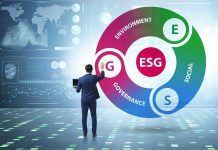
Environmental, Social, and Governance (ESG) performance continues to influence investment decisions, procurement processes, and stakeholder expectations.
Renewable energy projects demonstrate measurable progress toward sustainability objectives while supporting responsible corporate practices.
Competitive Advantages Beyond Lower Electricity Bills
The benefits of renewable energy extend well beyond reducing monthly utility costs. Businesses increasingly recognize renewable infrastructure as a strategic asset that supports growth, reputation, and operational performance.
Enhancing Corporate Reputation
Customers, investors, and business partners increasingly value organizations that demonstrate genuine commitments to sustainability.
Visible investments in renewable energy can strengthen brand credibility while supporting broader corporate responsibility initiatives.
Attracting Investors
Investors increasingly consider sustainability performance alongside financial metrics when evaluating businesses.
Organizations that actively improve energy efficiency and reduce emissions may strengthen their long-term investment appeal.
Winning Commercial Contracts
Many procurement processes now include sustainability requirements alongside pricing and technical capability.
Businesses with renewable energy strategies may be better positioned to satisfy supplier assessments and environmental reporting expectations.
Supporting Operational Stability
Renewable systems combined with energy storage can help reduce operational disruption during periods of supply uncertainty.
Improved energy resilience supports productivity while reducing dependence on external market conditions.
Infrastructure Planning Is Essential for Long-Term Success
Installing renewable technology involves more than selecting solar panels or battery systems. Businesses must also understand how their systems interact with the wider electricity network and future expansion plans.
Larger commercial renewable projects often require careful planning to ensure compliance with electricity network requirements. Businesses considering significant installations should understand G98, G99 and G100 grid connection requirements, as these standards influence how renewable energy systems connect to the UK electricity network and may affect project design, approval processes, and export capacity.
Assess Future Energy Demand
Energy requirements often grow alongside business expansion.
Designing systems with future capacity in mind can reduce the need for costly upgrades later.
Consider Battery Storage
Battery systems allow businesses to store excess renewable electricity for later use.
This improves energy utilization while increasing flexibility during periods of high demand.
Plan for Grid Integration
Commercial renewable projects should consider both on-site consumption and potential electricity exports.
Early planning helps businesses understand technical requirements before installation begins.
What Business Leaders Should Consider Before Investing
Every business has unique operational requirements, making careful planning essential before investing in renewable energy.
Key considerations include:
- Evaluate current energy consumption: Understand existing electricity usage before selecting a system.
- Assess site suitability: Roof space, orientation, and available land influence system performance.
- Review future expansion plans: Design renewable systems that can accommodate business growth.
- Understand regulatory requirements: Ensure projects meet applicable technical and grid connection standards.
- Consider battery storage: Maximize renewable energy utilization while improving operational resilience.
- Work with experienced specialists: Professional planning supports efficient system design and long-term performance.
Conclusion
Renewable energy has evolved into far more than an environmental initiative. Across Europe, businesses increasingly view renewable technologies as strategic investments that strengthen competitiveness, improve operational resilience, and support sustainable growth.
Organizations that integrate renewable energy into their long-term business strategy are better positioned to manage changing energy markets, meet stakeholder expectations, and build a more resilient future in an increasingly competitive economy.






