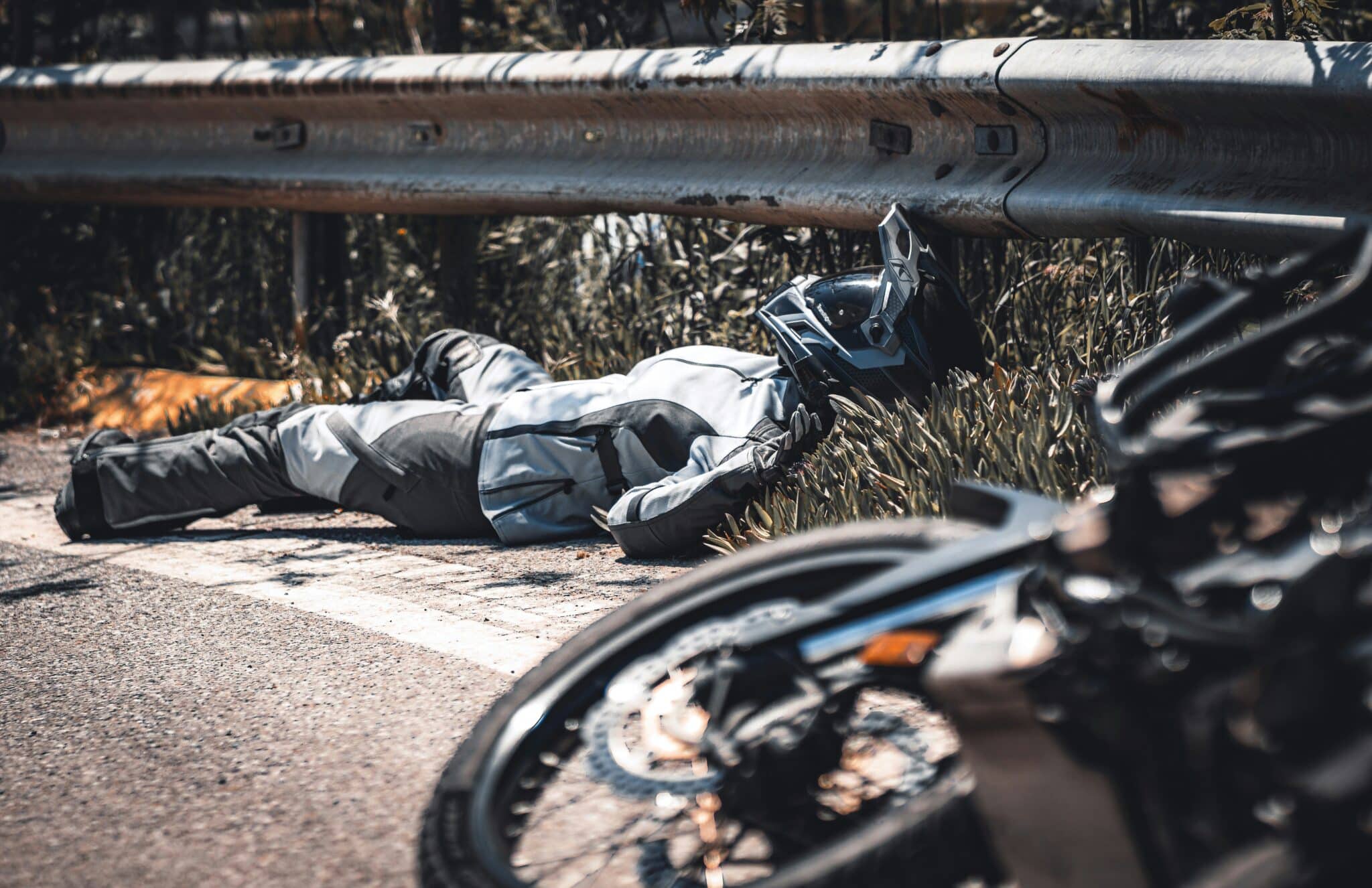
Colorado Springs has busy intersections, mountain roads, and major corridors where motorcyclists regularly share space with passenger vehicles. When a rider gets injured in a collision, insurers may quickly question helmet use, especially when the claim involves head or facial injuries. Yet helmet use is only one aspect of a broader legal and medical picture. A claim requires careful attention to the circumstances of the impact, the rider’s injuries, and the conduct of everyone involved. Insurance companies may scrutinize protective gear when evaluating damages, making clear documentation especially important for an injured rider seeking fair compensation.
Understanding the distinction between crash responsibility and injury-related arguments can also prevent confusion during negotiations. A Colorado Springs motorcycle accident attorney can review the available evidence and determine whether helmet use has any legitimate bearing on the compensation being sought. This review can help riders respond to insurer arguments with facts rather than assumptions and protect the value of a valid injury claim.
Colorado’s Helmet Rules
Colorado requires motorcycle operators and passengers younger than 18 to wear helmets. The state also requires motorcycle operators to use eye protection unless their motorcycles have windscreens. These rules establish legal duties, but a violation alone does not prove that it caused a particular injury.
Join The European Business Briefing
New subscribers this quarter are entered into a draw to win a Rolex Submariner. Join 40,000+ founders, investors and executives who read EBM every day.
SubscribeA helmet violation can support a compliance argument. To affect damages, however, the evidence must connect the violation to an injury.
A rider’s age matters from the outset. Colorado does not require adults to wear helmets. Still, an adult’s choice can become relevant if the defense links it to an injury. The claim must distinguish a lawful choice about helmet use from the medical consequences of that choice.
How Helmet Use Affects Damages
A defendant may argue that a rider’s failure to wear a helmet worsened head or facial injuries. That argument concerns how much harm the crash caused, not who caused the collision. The defense needs evidence connecting the specific injury to the lack of a helmet.
Medical records help distinguish injuries that head protection could affect from injuries caused by impacts elsewhere. For example, a fractured leg does not become less compensable because the rider lacked a helmet. A head injury requires closer review of the diagnosis, imaging, treatment, and medical opinions about its cause.
Comparative Fault in Colorado
Colorado follows a modified comparative-fault rule. A claimant can recover only if the claimant’s fault is less than the other parties’ combined fault. The court reduces an award by the claimant’s share of fault. If the claimant is 50 percent or more at fault, recovery gets barred.
Riding without a helmet does not automatically make a rider responsible for causing the crash. The defense must connect the alleged failure to an injury and establish a basis for reducing damages. A jury’s decision depends on the evidence and the court’s instructions, alongside evidence of driver negligence and other causes.
Evidence That Clarifies Causation
Crash-scene photographs, helmet condition, and witness statements can help explain different parts of a collision. Skid marks, vehicle damage, and traffic signals may show how the crash occurred. Helmet damage and medical findings address whether head protection could have changed the injury.
After a collision, riders should preserve their helmet, clothing, motorcycle, and photographs. Medical care comes first; afterward, riders should document symptoms and treatment. A damaged helmet can show where an impact occurred, but it cannot, by itself, establish what injury different protective gear would have caused.
Practical Steps After a Crash
A rider should avoid guessing about helmet-related injuries in a recorded statement. Accurate information about helmet use matters, but speculation about medical causation can confuse the record. The rider should provide facts, follow treatment instructions, and keep copies of medical bills, work records, and crash-related communications.
Legal deadlines also matter. Colorado generally allows three years to file a motorcycle-accident injury claim, although different deadlines apply to some claims and circumstances. An early review helps preserve evidence and identify the applicable filing period before it expires.
What Insurers May Examine
Insurers review medical records, crash reports, photographs, and statements when they assess disputed injuries. Read each item in context rather than as a complete account.
A claim analysis compares the rider’s account with treatment notes and physical evidence. Any gaps deserve an explanation, especially if symptoms appeared after the initial examination.
Conclusion
Helmet use can affect an injury claim, but it does not establish how a crash happened or what caused each injury. Riders should preserve their gear, seek consistent medical care, and avoid guessing about fault before decision-makers review the evidence. A practical next step is to gather the crash report, photographs, treatment records, and insurance correspondence. Counsel familiar with Colorado law can then assess the injury evidence and confirm the applicable filing deadline.