































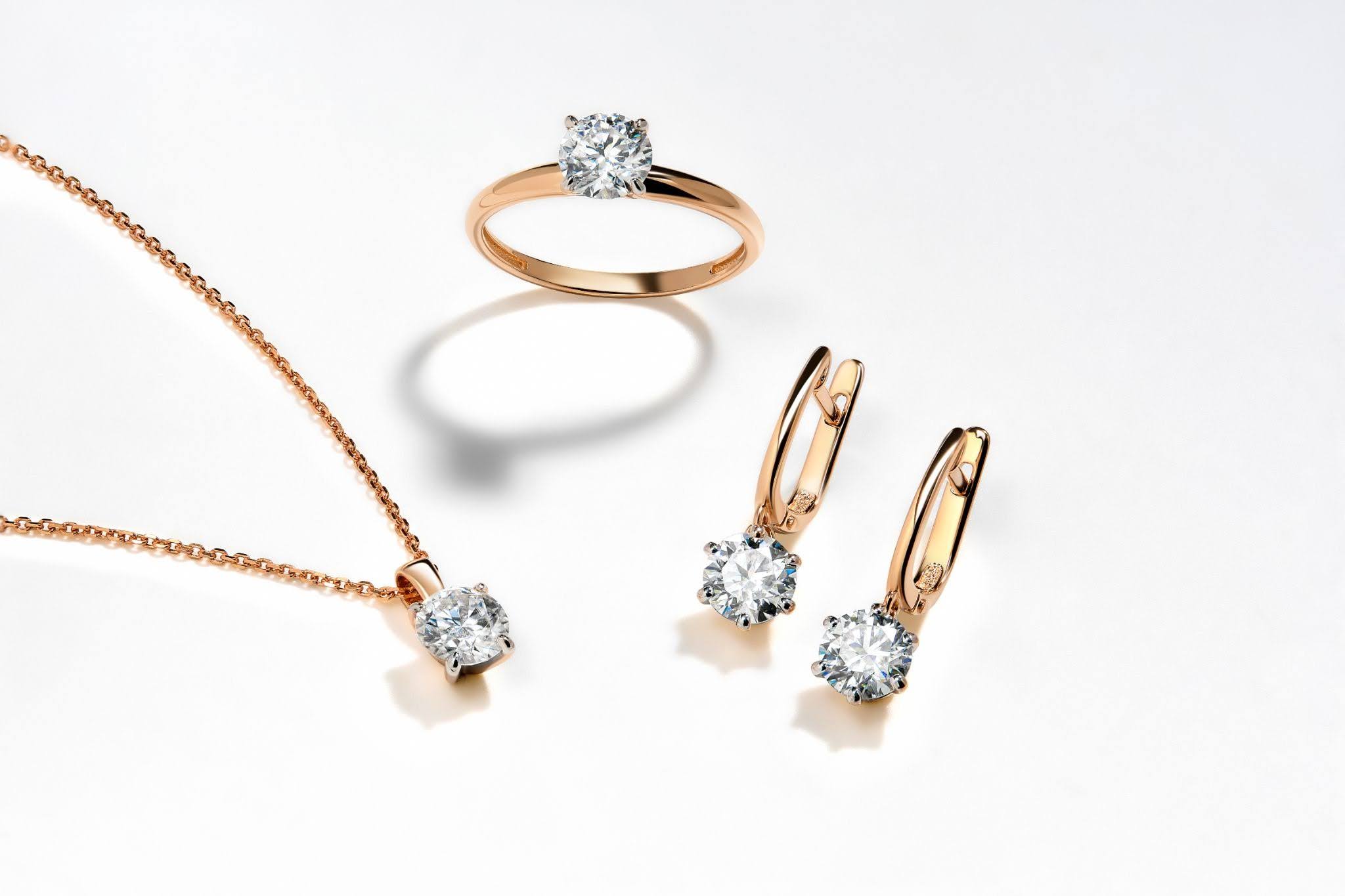
Packaging has become a strategic part of brand building for jewellery companies operating in competitive markets. It no longer serves only as protection for the product. For many brands, packaging influences customer perception, supports premium positioning, and contributes to the overall buying experience. As a result, more businesses are asking what defines the best packaging supplier for jewelry brands in Europe, especially when they want to balance quality, presentation, sustainability, and cost while working with partners beyond their domestic market.
For European jewellery brands, this decision carries particular importance. Consumers in the region often expect more than an attractive presentation. They also pay attention to craftsmanship, environmental responsibility, and whether a brand experience feels polished from the first impression to the final unboxing. That means choosing a packaging supplier is not simply a procurement decision. It is part of shaping how the brand is experienced and remembered.
Packaging Is No Longer a Secondary Detail
In the jewellery sector, packaging plays a far greater role than many businesses once assumed. A ring box, pouch, shopping bag, mailing carton, or branded insert all influence how a product is received. Well-designed packaging can make a purchase feel more special, strengthen perceived value, and help justify premium pricing.
Join The European Business Briefing
New subscribers this quarter are entered into a draw to win a Rolex Submariner. Join 40,000+ founders, investors and executives who read EBM every day.
SubscribeFor online jewellery brands, packaging also fills the gap created by the absence of an in-store experience. When customers cannot see or touch a product before ordering, packaging becomes one of the first physical touchpoints they have with the brand. A poorly designed or low-quality package can undermine trust, while a well-executed one can reinforce confidence and elevate the entire purchase.
In physical retail, packaging continues to matter just as much. It shapes gift purchases, creates consistency across product collections, and supports the visual identity that luxury and premium brands work hard to maintain.
Why European Brands Are Looking Beyond Local Suppliers
Europe is home to many excellent packaging companies, but local sourcing is not always the only or best option. As jewellery brands grow, many begin looking at global suppliers to access a wider range of materials, more flexible customisation, stronger manufacturing capacity, or more competitive pricing.
Global sourcing can be especially attractive for brands that need:
- premium custom packaging at scale
- specialised finishes or luxury materials
- lower minimum order quantities for certain product lines
- consistent packaging across multiple markets
- sustainable packaging solutions with broader material options
- the ability to grow without changing suppliers too frequently
The key is not whether a supplier is located inside or outside Europe. The more important question is whether that supplier can meet the brand’s standards for quality, communication, lead times, and long-term reliability.
Understand What Your Brand Actually Needs
Before comparing suppliers, a jewellery brand should first define its own priorities. Packaging requirements differ significantly depending on price point, target audience, sales channels, and product type.
For example, a fine jewellery brand selling engagement rings will often require a very different packaging approach from a fashion jewellery label focused on e-commerce volume. One may prioritise velvet-lined rigid boxes, tactile finishes, and understated luxury branding. The other may need lightweight packaging that still feels premium while keeping fulfilment costs under control.
Questions worth clarifying early include:
- Is the brand positioned as luxury, premium, contemporary, or accessible?
- Will packaging be used primarily for retail, gifting, e-commerce, or a combination of all three?
- Does the brand need a standard packaging range or multiple formats across collections?
- Are sustainability requirements a core part of the brief?
- What budget range needs to be maintained per unit?
- How important is low-volume flexibility for seasonal launches or special editions?
When these fundamentals are clear, supplier conversations become more productive and the risk of choosing the wrong partner becomes much lower.
Assess Quality Beyond Surface Appearance
Packaging samples can look impressive at first glance, but jewellery brands need to evaluate quality more carefully than that. A supplier may offer attractive mock-ups, but the real test lies in consistency, material durability, construction standards, and finishing details across production runs.
When assessing packaging quality, brands should look at:
Material strength and finish
Boxes, inserts, bags, ribbons, and printed elements should feel substantial and well-made, particularly if the brand operates in the premium or luxury segment.
Print quality and colour consistency
Logos, foiling, embossing, and other brand elements must remain consistent across all units, especially for brands with strict visual guidelines.
Structural design
Packaging should protect delicate products effectively while still looking elegant. Jewellery items are small, but they often require careful presentation and secure internal support.
Practical usability
Packaging needs to work not only for presentation, but also for packing, shipping, storing, and customer use.
A supplier that understands jewellery packaging should be able to demonstrate both visual quality and functional reliability.
Evaluate Customisation Capabilities
For many jewellery brands, packaging is an extension of identity. A generic box with a logo added to the lid is rarely enough for businesses trying to stand out in a crowded market.
This is where supplier customisation capabilities become particularly important. A strong partner should be able to support elements such as:
- bespoke box sizes and structures
- branded ribbons, inserts, and pouches
- embossing, debossing, foil stamping, or spot UV
- layered packaging systems for e-commerce orders
- custom tissue paper, cards, and thank-you notes
- gift-ready packaging that reflects the brand aesthetic
The supplier does not need to offer every option under the sun, but they should be able to work with the level of customisation that suits the brand’s positioning and growth stage.
Sustainability Should Be Practical, Not Just Performative
Sustainability has become a serious consideration for many European brands, and packaging is one of the most visible places where those commitments are tested. Customers increasingly notice whether a business uses excessive materials, unnecessary plastics, or packaging that feels wasteful compared with the product inside.
That said, sustainable packaging should still be commercially practical. The aim is not to chase buzzwords, but to choose solutions that align with both brand values and operational realities.
Areas worth discussing with suppliers include:
- recycled or FSC-certified paper and board
- reduced plastic content
- reusable packaging elements
- shipping-efficient designs that minimise excess material
- water-based inks or lower-impact finishing options
- transparent information about sourcing and production practices
The right supplier should be able to explain what is genuinely possible, rather than simply applying sustainability language to a standard product catalogue.
Communication and Reliability Matter More Than Many Brands Expect
One of the biggest risks in working with any supplier, especially an international one, is not always product quality. It is often communication.
A packaging project can involve design approvals, material discussions, sampling rounds, production scheduling, and shipping coordination. If a supplier is slow to respond, unclear about lead times, or inconsistent in their updates, even a strong product offering can become difficult to manage.
For that reason, jewellery brands should assess:
- response times during early conversations
- clarity of quotations and production timelines
- willingness to answer technical questions
- ability to handle revisions or sampling requests
- transparency around lead times, freight, and minimum orders
A supplier relationship is easier to maintain when communication is proactive and expectations are clearly managed from the outset.
Consider Scalability From the Beginning
Packaging needs often evolve as a jewellery brand grows. What works for a small direct-to-consumer business shipping a few hundred orders a month may not be suitable once wholesale accounts, international expansion, or larger seasonal campaigns enter the picture.
This is why it helps to think beyond immediate needs. A supplier may be perfect for a first packaging run, but less suitable if the brand later needs broader product ranges, faster turnaround times, or higher-volume production.
Questions to consider include:
- Can the supplier support future order growth?
- Do they offer multiple packaging formats if the range expands?
- Are they equipped to maintain quality at larger volumes?
- Can they support packaging updates as branding evolves?
Choosing a supplier with room to grow can save time, reduce disruption, and create more consistency over the long term.
Ask for Samples, Not Just Promises
Before committing to a supplier, physical samples are essential. Packaging is tactile by nature, and no amount of digital rendering can fully replace the experience of handling the product in person.
Reviewing samples allows brands to assess:
- material feel and durability
- print and finishing quality
- structural design
- size suitability for specific jewellery items
- whether the packaging aligns with the intended brand image
If possible, it is also useful to request examples of previous work in the jewellery, accessories, or luxury sectors. This gives a clearer sense of the supplier’s practical experience with premium product presentation.
The Best Supplier Is the One That Fits the Brand Strategically
There is no single packaging supplier that will be right for every jewellery business. The best partner for one brand may be completely unsuitable for another depending on product range, market positioning, sales model, and budget.
What matters most is finding a supplier that understands the commercial and visual role packaging plays in the brand. That means looking beyond price alone and considering the full picture: quality, consistency, sustainability, customisation, communication, and long-term support.
Conclusion
For European jewellery brands, packaging is no longer a finishing touch added at the end of product development. It is part of the brand itself, influencing customer perception, supporting premium positioning, and shaping the unboxing experience across retail and e-commerce channels.
Choosing the right global packaging supplier therefore requires more than comparing prices or browsing product catalogues. It calls for a careful assessment of quality, design capabilities, sustainability, communication, and scalability. Brands that approach the decision strategically are far more likely to find a partner that not only delivers packaging, but helps strengthen the overall business for years to come.