




























London, 17 October 2026 — EBM Weekend Read — By Nick Staunton
The most expensive school in the world sits on a hill above St Gallen in eastern Switzerland. Institut auf dem Rosenberg charges an average of CHF 165,000 a year, about $200,000. Its pupils come from 50 countries, live in art nouveau villas and do their science in a lab with a life-size 3D-printed space habitat. It takes no government money and no donations, so there are almost no scholarships.
For the very rich, a school is no longer only an education. It is a network, a passport and a status symbol, much like the private rooms the super-rich now pay thousands to enter. And the business of selling it is changing fast, with Britain’s famous schools caught in the middle.
The $200,000 Classroom
Switzerland dominates the top of the market. Le Rosey, near Lake Geneva, charges senior pupils between CHF 125,000 and CHF 132,000 a year. Every January the whole school moves to a winter campus in Gstaad, where skiing is part of the timetable. Its alumni include King Albert II of Belgium, the last Shah of Iran and members of the Rothschild and Aga Khan families. It has about 400 pupils from more than 100 countries.
Join The European Business Briefing
New subscribers this quarter are entered into a draw to win a Rolex Submariner. Join 40,000+ founders, investors and executives who read EBM every day.
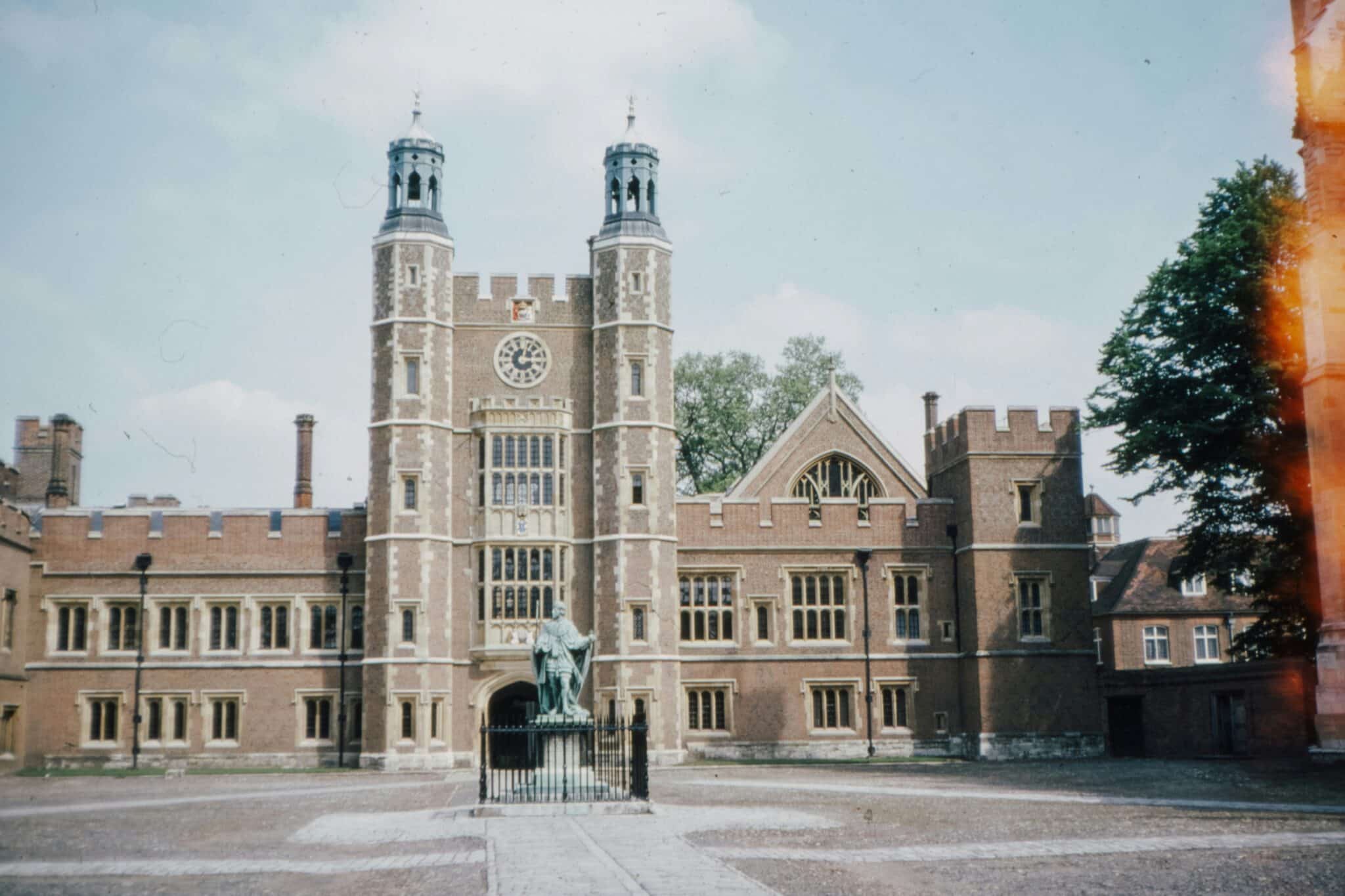
SubscribeBritish fees look modest by comparison, but they have risen sharply. Eton’s full boarding fee for 2025–26 is £63,297 a year, about $84,000, including VAT. Twenty years ago, top boarding schools charged roughly half that in real terms.
The buyers are global. Fortunes made in the Gulf, China, India and Russia have flowed into European schools, as they have into football clubs and property. Gulf money in particular has become a mainstay of the market.
What Parents Are Really Buying
Teaching is only part of the product. Parents paying these fees are buying small classes, around-the-clock care, and access to universities such as Oxford, Cambridge and the Ivy League. Above all, they are buying the contacts their children will make.
Location matters too. For a family based in several countries, a Swiss or English boarding school offers stability, safety and a neutral base. For others, it is a way into Western society. A British public school accent still opens doors in finance, law and diplomacy, and families pay for that.
The schools understand this. Their brochures sell heritage, buildings and alumni lists as much as exam results. In that sense, they work like any luxury brand: the price is part of the appeal.
Britain’s VAT Shock
In January 2025, Labour added 20% VAT to private school fees, ending an exemption that had lasted decades. The government argued that the money would pay for state schools. The schools argued that it would push families out. The House of Lords Library sets out the arguments on both sides.
The first full data is now in. According to the Independent Schools Council’s 2026 census, reported by The National, pupil numbers at its 1,455 member schools fell 3.5% to 526,611. New pupils fell 5.6%. Boarders fell 8.2% to 57,836. Pupils whose parents live overseas dropped 4.7%. And average fees still rose 4.4% before VAT was added.
ISC chairman Mark Taylor said: “Behind every percentage point are families making difficult decisions.” The richest schools can absorb the hit. The small, local schools that serve middle-class families cannot, and they are the ones closing or merging.
The tax is now part of the wider fight over Britain’s public finances. With the Budget approaching and the IMF urging rich nations to cut borrowing, no chancellor is likely to give up the revenue.
The Great Export
The big schools have found another answer: go where the money is. British schools now run 138 campuses abroad, and China, the UAE and Thailand host almost half of them.
The UAE is the new frontier. Harrow is due to open in Dubai in 2027, with Abu Dhabi to follow. Gordonstoun is heading to Jubail Island and King’s College School Wimbledon to Abu Dhabi, both in 2027. Epsom College plans an Abu Dhabi school for up to 2,500 pupils from 2028, then Dubai. Rugby School is going to Dubai too. Dubai’s population is forecast to nearly double by 2040, and the emirate is reinventing itself in other ways too.
The model is clever. Local investors usually pay for the buildings and run the schools. The British school lends its name, crest and curriculum, and takes a fee. Taaleem, for example, pays to use Harrow’s name and badge in Dubai. It is the same trick as the brand-led model behind Soho House: sell the name and let someone else carry the property risk.
The Risks
There are dangers. Every new campus stretches the brand, and a scandal in Dubai can damage the original in England. Critics also ask why charitable schools that enjoy tax breaks at home are earning money abroad.
The Gulf is not risk-free either. Epsom’s head admitted that the Iran war could delay its plans. And at home, rising costs, from wages to housing, keep squeezing the families who used to stretch to afford private school.
The Bottom Line
The top of the market is booming, and the middle is shrinking. Schools like Rosenberg and Le Rosey sell to a global elite that barely notices price. Famous British names are turning themselves into international brands. The losers are the ordinary private schools that served doctors, lawyers and small business owners, and that now face fewer pupils and higher costs.
VAT did not create that split, but it has accelerated it. I expect more British schools to follow Harrow abroad, and more small ones to close at home. A decade from now, the best-known British school may have more pupils in Dubai than in England.
Related Analysis






