































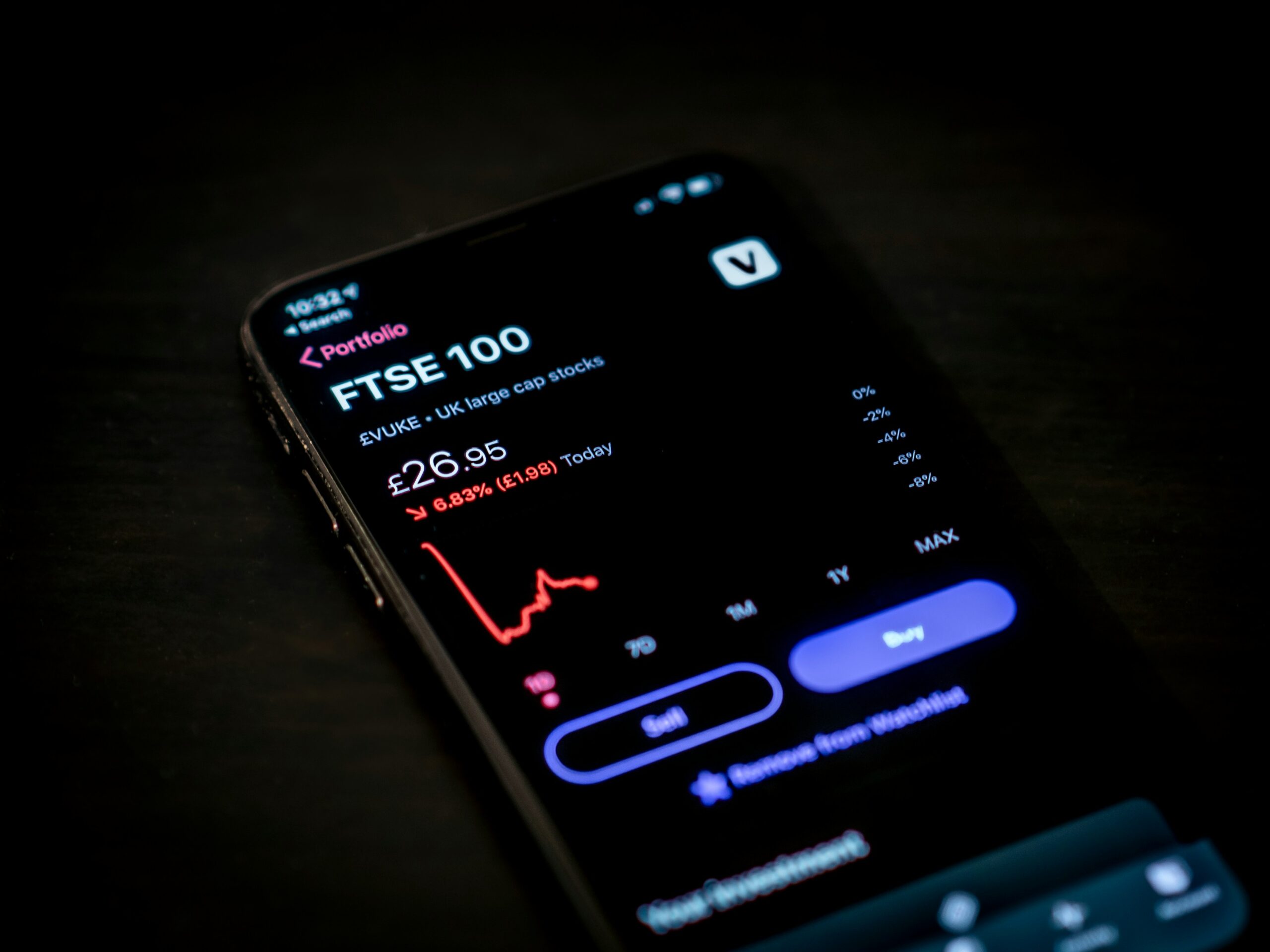
London, 29 July 2026 — EBM Newsdesk Analysis — By Nick Staunton
London’s blue-chip index is benefiting from the very qualities that once made it unfashionable: limited technology exposure, dependable dividends and a heavy concentration in energy, mining, defence and consumer staples.
The FTSE 100 briefly pushed above 10,945 points on Wednesday, setting another intraday record before surrendering some of its early momentum.
Join The European Business Briefing
New subscribers this quarter are entered into a draw to win a Rolex Submariner. Join 40,000+ founders, investors and executives who read EBM every day.
SubscribeThe index was still holding onto gains later in the session despite renewed conflict in the Middle East, rising oil prices and another bout of turbulence across global technology stocks. Mining and energy companies led the advance, helping the FTSE outperform markets more exposed to semiconductors and artificial intelligence.
It is the latest sign that Britain’s long-unfashionable blue-chip index has found a role suited to the current market: shelter from volatility elsewhere.
For much of the past decade, the FTSE’s shortage of fast-growing technology companies was considered its defining weakness. Investors chasing the digital economy preferred Wall Street, where Apple, Microsoft, Nvidia, Amazon and Meta drove an increasingly concentrated equity rally.
That disadvantage is now becoming a form of protection.
As EBM previously examined in its analysis of why European stocks are rising while US technology shares stumble, investors are rediscovering businesses built around physical assets, established brands and cash generated today rather than distant expectations of future growth.
The FTSE’s old economy becomes its new advantage
The FTSE 100 is dominated by sectors that rarely produce Silicon Valley-style excitement.
Oil majors, mining groups, banks, pharmaceutical companies, consumer-goods businesses and defence contractors make up a large proportion of the index. Many have mature operations, strong balance sheets and reliable dividend policies.
In calmer markets, that composition can make London look slow. In the present environment, it looks defensive.
Global technology shares have been hit by concerns about stretched chip valuations, rising Chinese competition and the enormous capital commitments required to maintain the AI infrastructure boom. Even companies delivering strong orders and earnings have struggled to satisfy investors who had already priced in years of exceptional growth.
That tension is visible across the semiconductor sector. As EBM reported in The AI Trade Is Unwinding, but ASML’s Orders Keep Climbing, investors are increasingly distinguishing between strong current demand and the price they are prepared to pay for future AI earnings.
The FTSE has comparatively little direct exposure to that debate. Its technology weighting is small, leaving it less vulnerable when investors reduce their exposure to AI-linked stocks.
Corporate results are supporting the rotation
The move into London has also been reinforced by company earnings.
Unilever shares rose 8% on Tuesday—their largest one-day gain in four years—after the consumer-goods group beat expectations for second-quarter sales growth. The result helped lift the FTSE 100 by 0.8%.
Reckitt Benckiser and engineering group Weir added further momentum on Wednesday following encouraging half-year updates. Weir rose around 7.6%, making it the FTSE 100’s strongest performer during the morning session.
These are not companies promising to transform the global economy through speculative technology. They sell household products, industrial equipment and essential services into established markets.
That is precisely the appeal. Investors facing greater uncertainty are favouring visible revenues, pricing power and the ability to distribute cash.
Copper, oil and defence provide additional support
Commodity companies also pushed the index higher.
Glencore gained around 4% after reporting a 15% rise in first-half copper production, while Rio Tinto advanced following a 43% increase in underlying half-year earnings. The FTSE’s industrial-metals sector rose more than 2%.
Copper remains central to the electrification of transport, power grids and data centres. Although short-term prices remain exposed to interest rates, tariffs and geopolitical shocks, the structural demand case examined in EBM’s analysis of copper’s collision with Iran, the Fed and US trade policy continues to support major producers.
Energy stocks also advanced as renewed Middle East tensions pushed oil prices higher. Shell and BP benefited as investors again priced in the geopolitical premium attached to global energy supplies.
Defence companies offer another structural tailwind. European governments are making long-term commitments to military spending, providing greater visibility for order books across the sector. EBM’s European defence stocks hub tracks how rearmament is becoming a sustained industrial and fiscal programme rather than a temporary market theme.
A weaker pound helps global earners
Currency movements are providing a further advantage.
Sterling was trading near a four-week low against the dollar as investors awaited the Federal Reserve’s latest interest-rate decision. The Fed was widely expected to leave rates unchanged, although markets were watching for indications that persistent inflation and rising energy costs could produce a more hawkish policy stance.
A weaker pound can increase the sterling value of earnings generated overseas. That matters because many FTSE 100 companies sell globally and report substantial revenues in dollars or other currencies.
The index’s internationally focused banks can also benefit from higher-for-longer interest rates, although individual results remain decisive. The sector’s changing earnings outlook is followed through EBM’s European banks coverage.
London’s discount is finally attracting attention
The FTSE 100 has spent years trading at a discount to US equities, reflecting slower expected growth, limited technology exposure and repeated investor withdrawals from UK funds.
That discount has not disappeared. But the qualities used to justify it are being reassessed.
An index packed with miners, banks, defence groups, energy producers and consumer staples may not represent the imagined future of an AI-dominated economy. It does, however, represent a large part of the economy that already exists—and continues to produce profits, dividends and essential goods.
For investors who have spent years paying ever-higher prices for future technological growth, London is offering something very different: established cash flow at less demanding valuations.
The FTSE’s old economy has not suddenly become fashionable. In a volatile world, it has become useful.






