





























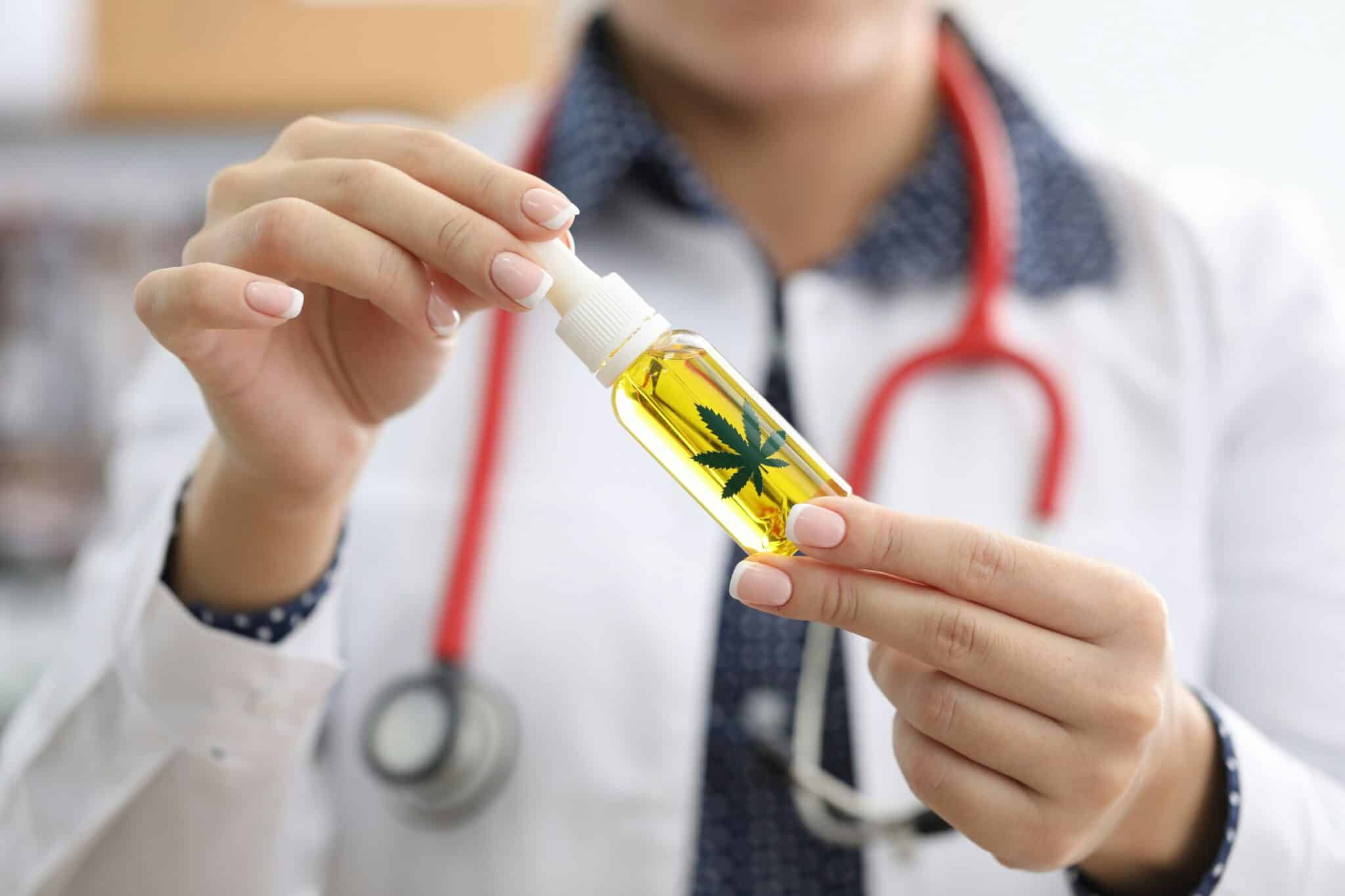
Determining the best Tetrahydrocannabinol (THC) concentration when setting up a medical or therapeutic cannabis treatment plan is a highly individualistic process. There is no best dose of THC, but it will vary from person to person due to factors such as how the drug is used, expectations for the use, and body size. It’s essential to achieve a balance between effectiveness and side effects to optimize therapeutic effects while minimizing potential side effects, and this involves getting the correct amount of cannabinoids into the body.
Knowing the concentration of cannabinoids in medical cannabis.
It’s essential to understand that cannabis products can vary widely in terms of strength, and many patients are left wondering, what is a high THC percentage when choosing your cannabis medicine? Today, dried flower can contain anywhere from 10% to more than 30% of THC, and concentrates can reach as high as 50% to 90% of THC. A concentration is typically “high” if it is over 20% (for flower) or 70% (for extracts). If treating, begin treatment with a lower percentage (5% – 10%) so that patients can determine how tolerant they are to the treatment before progressing to these higher potency ranges.
Each person’s unique Tolerance and Endocannabinoid Tone
It is important to note that each individual’s endocannabinoid system (ECS) is unique, and they could have varied responses to different levels of THC. The degree of tolerance will differ from individual to individual and will be influenced by the following factors: (1) genetic variation, (2) receptor density, and (3) previous exposure. The same percentage of potency can cause anxiety or vertigo for a person who has not tried cannabis before, but profound symptom relief for a long time for an experienced patient.
Join The European Business Briefing
New subscribers this quarter are entered into a draw to win a Rolex Submariner. Join 40,000+ founders, investors and executives who read EBM every day.
SubscribeThe consumption method and bioavailability.
How a given dose of THC affects your system depends on the way you take it. High-percentage inhaled (smoked or vaped) THC will have effects felt almost immediately due to the high bioavailability and rapid onset of the drug. However, the liver first pass the metabolism of ingestion (edibles or oils) results in THC being converted into a stronger compound known as 11-hydroxy-THC. This means that a small percentage in an edible can have a big effect and will last longer than the same amount of the substance when inhaled.
Key Statistical Breakdown of THC Potency Trends
To understand how potency affects treatment, it helps to examine current market data and clinical guidelines regarding THC classification and patient usage.
| Product Category | Potency Range (THC %) | Standard Dosing Tier | Primary Therapeutic Use Case |
| Low-Potency Flower | 1% – 10% | Microdosing / Beginner | Mild anxiety, daytime focus, subtle stress relief |
| Medium-Potency Flower | 11% – 19% | Intermediate | Moderate chronic pain, muscle spasms, appetite stimulation |
| High-Potency Flower | 20% – 30%+ | Advanced / Tolerant | Severe chronic pain, insomnia, palliative symptom management |
| Concentrates / Extracts | 50% – 90%+ | Ultra-Advanced | Acute breakthrough pain, severe muscle spasticity |
Clinical Objectives and Synergy: The Entourage Effect
The strength of the THC depends on your medical diagnosis. For example, when it comes to providing relief from chemotherapy-induced nausea or severe neuropathic pain, a higher percentage of THC can be needed. But a higher number is not necessarily better. A lower ratio of lower THC and higher Cannabidiol (CBD) may yield more favorable therapeutic effects for anxiety-related disorders like generalized anxiety disorder and less of a likelihood of panic reactions.
Secondary cannabinoids (CBD, CBG, CBN, and others) and aromatic terpenes (myrcene, limonene, linalool, and others) also alter the effect of THC on the body. This “entourage effect” is the advantage of using a product with a moderate THC amount and strong terpene profile in comparison to a pure 25% THC distillate, as this product can result in better, more balanced relief.
Keytakeways
Check the CBD to THC ratio: Pay attention to the ratio of CBD to THC, not just the highest THC percentage.
Start Low and Go Slow: Start out with smaller doses and percentages, and gradually increase the dose by days or weeks.
Use Your Responses: Take a patient record of product strength, how you’re using it, and how it’s helping your symptoms to make your regimen more effective.
Conclusion
When discussing the best combination of cannabinoids for a specific individual, one should take into account their physiological baseline, how they plan to take them, and the ultimate wellness objectives. While you’re looking at different options, you’ll want to know what a high thc percentage is, so you can avoid any risky adverse effects or inadvertently binging on your purchase. Finally, the best treatment plan is one that is designed to improve function and reduce symptoms without all the focus being directed toward the highest potency numbers on the label.






