































London October 4 -2026 — EBM Weekend Read
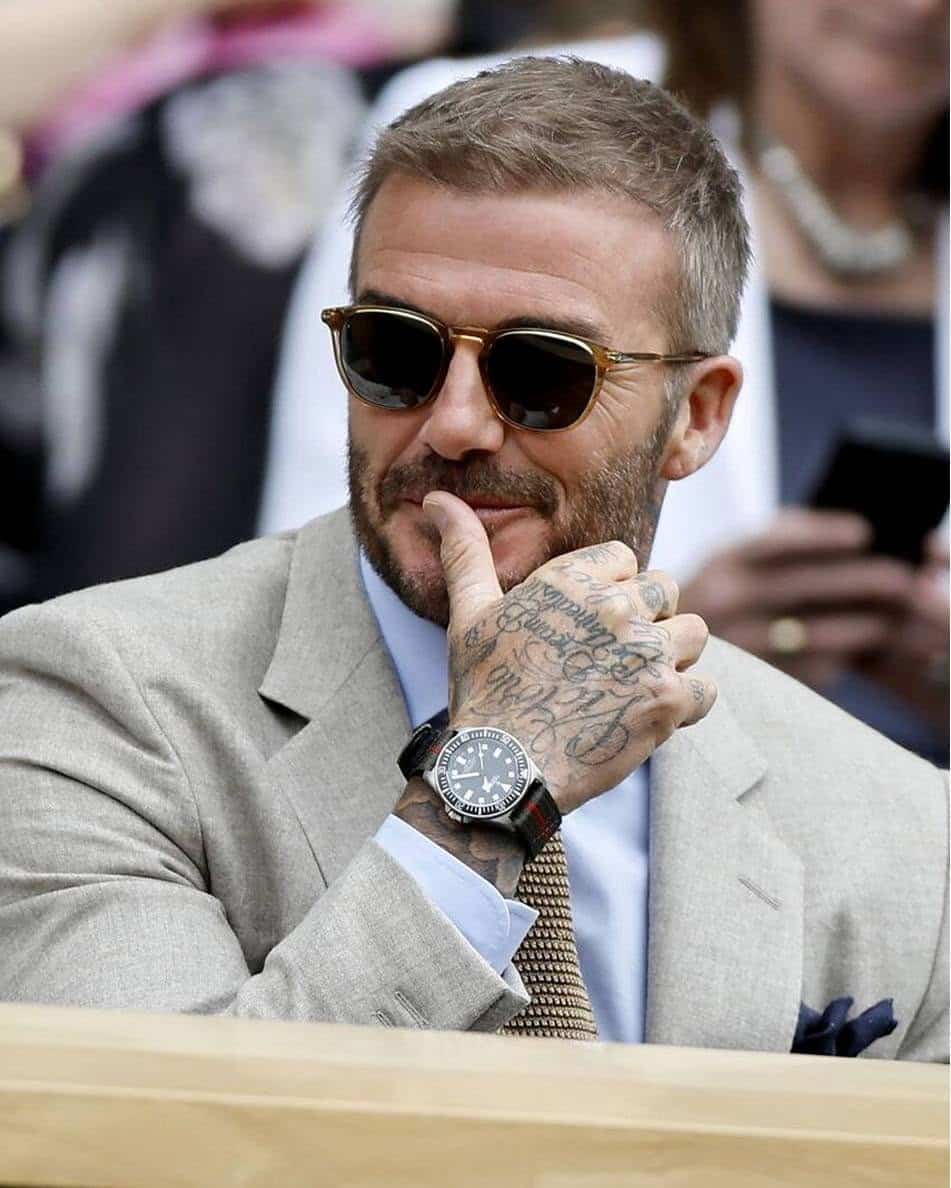
David Beckham retired from football in 2013. Thirteen years later, his brand is more profitable than ever. Accounts filed last month for DRJB Holdings, the company behind the Beckham brand, show revenue of £84m for 2025, up from £72.2m the year before. Pre-tax profit rose by about 46% to nearly £50m.
Do the sum and it is remarkable. Roughly 60p of every pound that comes in stays as profit. Most fashion brands would be delighted with a tenth of that. Most football clubs lose money. Beckham’s business makes almost nothing itself, and that is exactly why it works.
How the Machine Works
DRJB Holdings has three main parts. DB Ventures handles brand partnerships and licensing, which is the core of the business. Seven Global commercialises other Beckham brands. Studio 99, the production company, makes documentaries and marketing campaigns, including the Netflix series Beckham.
Join The European Business Briefing
New subscribers this quarter are entered into a draw to win a Rolex Submariner. Join 40,000+ founders, investors and executives who read EBM every day.
SubscribeThe model is simple. A partner wants the Beckham name on its product, so it pays for it. The partner designs the clothes, makes the glasses, bottles the whisky and runs the factories. Beckham supplies his image, his approval and his time. There are no warehouses, no stock that goes out of fashion, and no factories to run.
That is why the margins look the way they do. A clothing company has to pay for fabric, labour, shipping and shops. A licensing company mostly pays for people and lawyers. The DB Ventures staff list is small, around two dozen people at the last count, and the revenue is enormous.
Who Pays for the Name
The list of partners is long and varied. Beckham has a menswear range with BOSS, eyewear made by Safilo, and supplements through IM8. He has worked with brands from Stella Artois and SharkNinja to Maserati, Panini and Las Vegas Sands. Each deal works the same way: the partner does the making, and Beckham’s name does the selling.
Some of the money has been controversial. In 2022 his revenue more than doubled, helped by an ambassador role for the World Cup in Qatar. Critics, including many in the LGBTQ community, called on him to give the fee away, given Qatar’s laws on homosexuality. The deal fits a wider pattern of Gulf money buying a stake in European icons, from airports to football clubs.
The Deal That Changed the Business
The most important transaction came in 2022, when Beckham sold a 55% stake in DB Ventures to Authentic Brands Group, the American company that owns Reebok, Ted Baker and Hunter. The deal was reportedly worth around £200m.
Authentic is a specialist in exactly this model. It buys famous names and licenses them to manufacturers around the world. Selling to Authentic gave Beckham a large cash payment and access to its global network of partners. He kept 45%, and that stake still pays handsomely. DRJB paid out £38.9m in dividends last year, followed by a special dividend of £46.6m after the year ended. Beckham’s share of the two payments comes to just under £38.5m.
That is more than most Premier League players earn in a career, and he is collecting it more than a decade after retiring.
Why Fashion Brands Can’t Do This
Compare it with his wife’s business. Victoria Beckham’s fashion label spent most of its life making losses. In 2021 it lost £5.8m on revenue of £40.9m and borrowed from other parts of the family empire to keep going. It designs, manufactures and sells clothes, which means it carries all the costs and risks that David’s business avoids.
The contrast is the lesson. Making things is hard and expensive. Licensing a name is cheap and, if the name is strong enough, extremely profitable. The same logic is now being applied across sport. Carlos Alcaraz is building his own global sports empire around his name, and clubs and leagues are chasing the streaming money that turns fame into recurring revenue.
The Risk in the Model
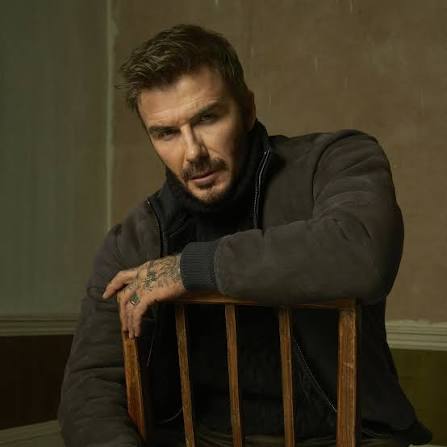
The other risk is time. Beckham is 51. He can stay relevant through his co-ownership of Inter Miami, his family and his media work, but no brand lasts forever. Football’s commercial world is also under more scrutiny than ever, as the Manchester City verdict showed this week. Regulators and fans are asking harder questions about where sports money comes from.
Beckham has built one of the cleverest businesses in sport, and it barely involves sport any more. He doesn’t make the shirts, the glasses or the supplements. He sells the right to be associated with David Beckham, and companies pay a fortune for it. The 60% margin isn’t a fluke. It’s the reward for turning a footballer into a brand so trusted that others will carry all the risk just to borrow it. The lesson for every athlete, and every founder, is that the most valuable product is often the name, not the thing.
Related Analysis