





























London, 12 October 2026 — EBM Newsdesk Analysis — By Brad Adams
CVC Capital Partners has bought a 40% stake in Fibrotex, an Israeli maker of military camouflage, for about €250m, without announcing it publicly, the Financial Times reports. CVC told the investors in its funds about the deal, as it is required to, but made no public announcement. That is unusual for one of Europe’s biggest private equity firms. According to the FT, CVC wanted to avoid a backlash over investing in Israel’s defence sector during the Gaza conflict.
When CVC described Fibrotex to its investors, it called it an international business with operations in the US, Japan and Australia. It did not mention that the company is headquartered in Petah Tikva, Israel. After the FT asked about it, CVC confirmed that Fibrotex’s main operations are in Israel and the US and that it serves customers in more than 20 countries. CVC said the investment would support the company’s international growth and product development, given rising demand for defence modernisation.
What Fibrotex Makes
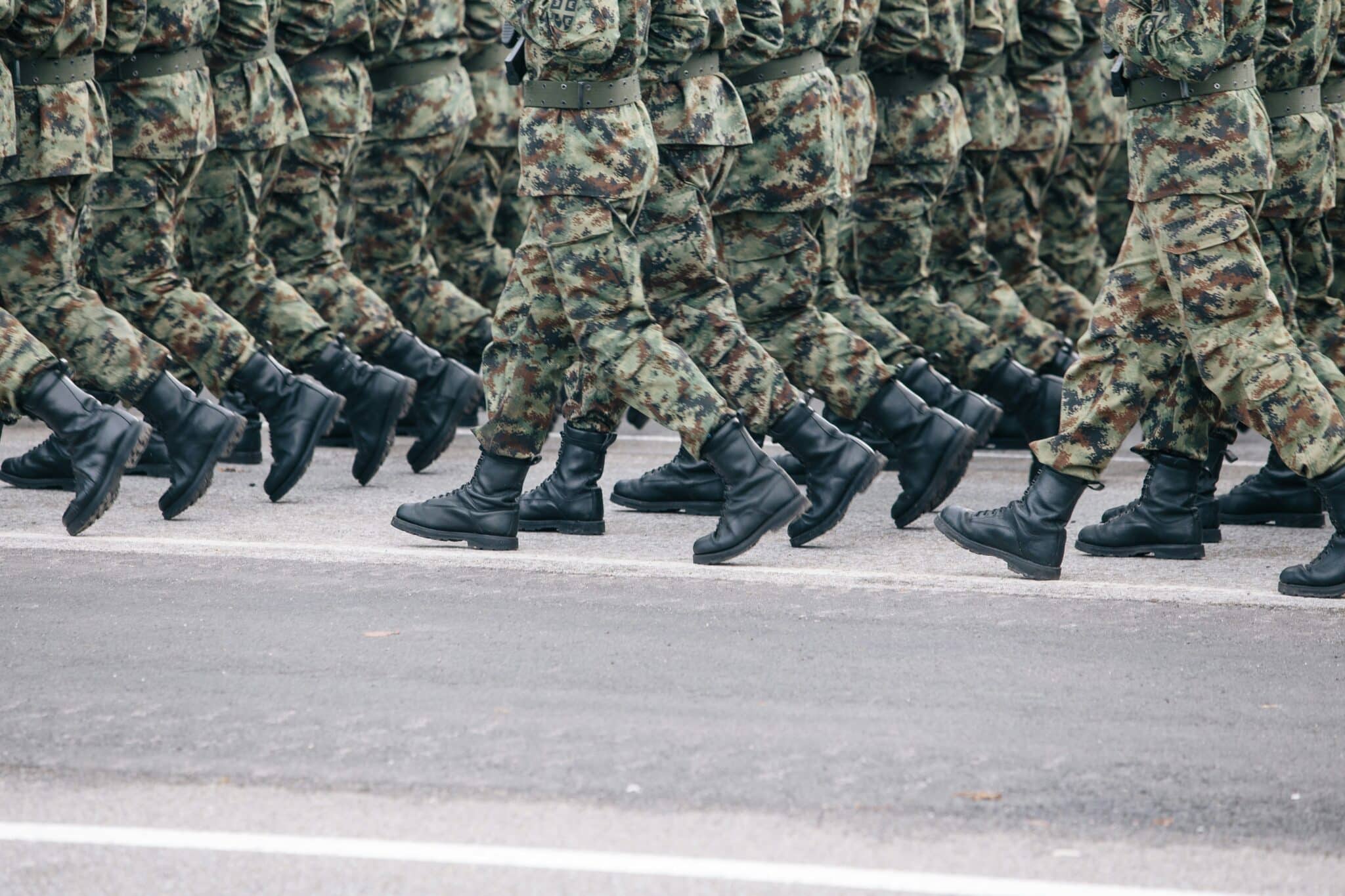
Fibrotex was founded in 1965 and makes camouflage and concealment systems for soldiers, vehicles, aircraft and ships, designed to reduce detection by radar and thermal imaging. The deal was led by CVC’s German team through its mid-market Catalyst fund. It is the largest of the five deals that fund has made so far. Earlier this year Fibrotex reportedly hired the investment bank Jefferies to explore a sale at a valuation of about $1bn. The founding Blum family keeps a stake.
Join The European Business Briefing
New subscribers this quarter are entered into a draw to win a Rolex Submariner. Join 40,000+ founders, investors and executives who read EBM every day.
SubscribeDefence Is Now Mainstream, With Exceptions
The deal reflects how much investor attitudes to defence have changed. Since Russia invaded Ukraine, European governments have increased military spending sharply, and defence companies that many fund managers once avoided are now popular. Companies such as Helsing and Quantum Systems are among Europe’s fastest-growing start-ups, and rearming Europe is now openly encouraged by Brussels.
Israel is the exception. The war in Gaza, violence by settlers in the West Bank, and last month’s decision by the UK, France and Canada to ban imports of goods from Israeli settlements have made Israeli defence assets politically sensitive for European investors. Earlier this year, Qatar’s sovereign wealth fund, one of Volkswagen’s biggest shareholders, reportedly blocked a planned defence partnership between VW and Israel’s Rafael. That is a reminder of how much influence Gulf investors now have over European corporate decisions.
Why Private Equity Prefers Discretion
Private equity firms depend on their investors, mainly pension funds, endowments and sovereign wealth funds. Many of those investors face pressure from their own members, students or governments over where their money goes. Naaguesh Appadu of Bayes Business School told the FT that controversy alone doesn’t make a deal wrong, but opposition from investors and employees is “a genuine risk”.
That explains the quiet approach. CVC broke no rules: its investors were told, and private deals don’t have to be announced. But as investors demand more transparency from the firms that manage their money, describing an Israeli company as American, Japanese and Australian is likely to cause more problems than it avoids. One CVC investor reportedly distinguishes between companies that make protective equipment, such as camouflage, and those that make weapons. That distinction may satisfy some investors, but not all.
The Call
CVC’s deal makes commercial sense. Fibrotex is a long-established, profitable company in a growing market, bought at a reasonable price. The way it was handled is the weakness. In a market where defence is now an accepted investment, describing an Israeli company as international without naming Israel suggests CVC was worried about its investors’ reaction. European private equity will have to decide whether it is willing to defend Israeli defence investments in public. If it isn’t, investors will start asking why it is making them.
Related Analysis






