































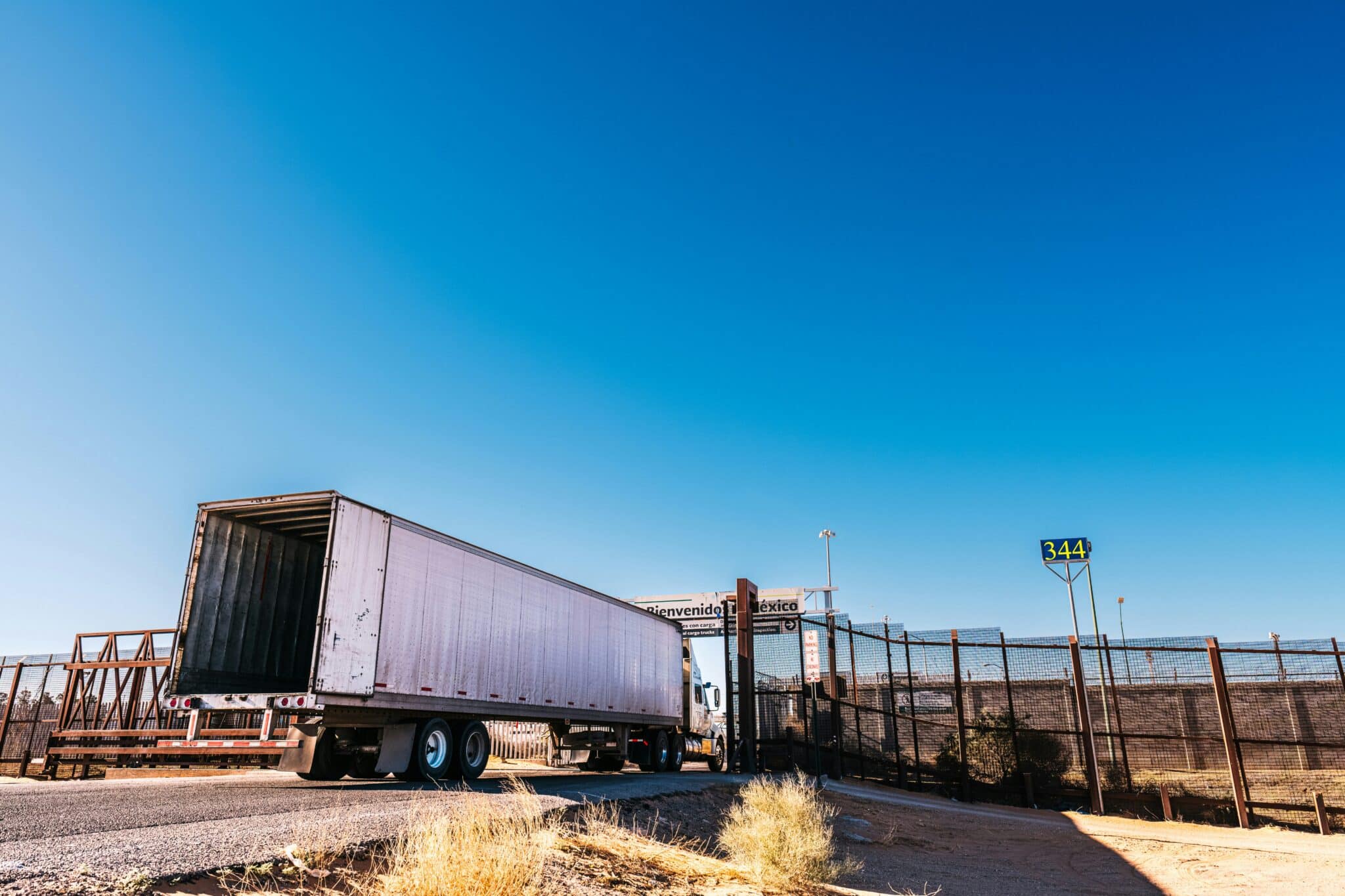
A truck crosses a state line and the rulebook underneath it quietly changes. Weight limits shift. Insurance coverage gets fuzzy. Inspection standards that applied an hour ago no longer do. One bad collision involving a transit van or a fully loaded semi doesn’t just cost lives — it can unravel a supply chain built over years and hand a corporation a bill running into eight figures. Here’s what actually keeps a fleet operation standing when the stakes reach that level.
The Hidden Fault Lines in Transnational Fleet Operations
Ask any logistics director what keeps them up at night and it’s rarely the routes themselves. It’s the patchwork underneath. A trailer perfectly legal in Nevada can be a violation the second it rolls into California. Now multiply that by two hundred vehicles moving through a dozen regulatory zones at once. Nobody tracks that by hand, not really, not for long.
Three things tend to dominate risk committee meetings lately:
Join The European Business Briefing
New subscribers this quarter are entered into a draw to win a Rolex Submariner. Join 40,000+ founders, investors and executives who read EBM every day.
Subscribe- Regulatory divergence between states or countries, from weight caps to licensing rules
- Aging fleet assets and maintenance schedules that vary wildly depot to depot
- Third-party carriers brought on during peak season without proper vetting
Take a scenario that plays out more often than fleet operators want to admit. A regional freight company, stretched thin during a holiday rush, leases extra trucks from an independent carrier to cover the overflow. The driver assigned to one of those rigs has already logged sixteen hours behind the wheel and the brakes haven’t been properly inspected in months. Somewhere along a major freight corridor in Southern California, that truck loses control on a downgrade during rush hour. Three vehicles are pulled into the wreck. The highway shuts down for the better part of an afternoon. Cargo worth six figures is gone before anyone even calls a tow truck.
Sort out who’s liable in a mess like that and things get complicated fast. Whose insurance actually applies? Which state’s negligence rules govern? Did the shipping company share blame just by hiring an underqualified subcontractor in the first place? When a commercial crash like this happens along a strategic corridor in California, bringing in a Palm Springs truck accident lawyer often decides whether a company walks away with a manageable settlement or spends the next three years in court. Attorneys who specialize in this kind of case know how to untangle multi-party liability, pin down which corporate policies actually got violated, and negotiate claims before discovery drags the whole thing out for years.
Fleet Risk Management That Actually Works
Set the theory aside for a second. What separates a fleet still running clean after a decade of interstate work from one buried in lawsuits usually comes down to a handful of unglamorous habits nobody puts on a poster.
Telematics Aren’t Optional Anymore
Sensors tracking speed, braking, hard cornering, engine diagnostics — this isn’t a trend, it’s basic self-preservation at this point. A worn brake pad shows up in the data weeks before it shows up as a breakdown on the shoulder of I-10. Fleet managers who ignore that dashboard are essentially driving with their eyes closed.
Maintenance Records Need Teeth
Paper logs vanish. Digital ones with timestamps tied to a vehicle’s VIN don’t. When a plaintiff’s attorney requests six months of service history after a crash, “we’re pretty sure it was serviced regularly” won’t survive five minutes in front of a jury.
Driver Fatigue Is a Balance Sheet Problem, Not a Compliance Checkbox
Hours-of-service violations are a straight line to catastrophic liability. Operators pairing electronic logging devices with fatigue-flagging software catch tired drivers before dispatch even assigns the next load. Cheaper than a settlement. Every time.
Third-Party Logistics Risks and the Subcontractor Trap
Most catastrophic cross-border incidents don’t even involve the primary carrier’s own trucks. They involve whoever that carrier hired to cover the gap.
Say a Texas-based logistics operator contracts a smaller carrier to handle overflow during a surge in agricultural exports. On paper, that carrier looks fine. Nobody double-checks whether its federal safety rating slipped over the past year and a half. Nobody confirms insurance limits beyond the certificate that showed up in an email. Six weeks later one of that subcontractor’s trucks jackknifes on an icy overpass, and the primary company gets named in the lawsuit anyway — courts increasingly hold hiring companies accountable for negligent carrier selection, whether or not the truck belonged to them.
What actually stops this before it starts?
- Checking safety ratings on every subcontractor before signing, not just at renewal time
- Requiring insurance limits well above the state minimum
- Writing indemnification clauses that hold up in real litigation instead of boilerplate copied from a template
- Auditing subcontractor driver logs periodically instead of trusting self-reported numbers
Skip any of that and whatever a company saved by going cheap on a subcontractor disappears the moment one truck ends up on its side.
Crisis Response When the Worst Happens on a Transit Route
No protocol eliminates risk entirely. What matters most is how a company acts in the first seventy-two hours, because that window tends to decide the entire legal and financial outcome.
Preserve the Black Box Data Immediately
Event data recorders hold the information that ends up deciding liability — speed at impact, braking sequence, whether cruise control was even engaged. Wait a few days and that data can be overwritten, or worse, the vehicle’s already been repaired before anyone gets a forensic look at it. Legal teams should be securing that vehicle within hours, not after the tow truck’s already hauled it away.
Coordinate With International Insurance Pools Early
Cross-border freight usually runs through layered coverage — domestic carriers, foreign underwriters, reinsurance pools stacked on top of each other. Get those parties talking fast, before they spend months pointing fingers, and claims move. Shippers watching how a company handles the fallout notice the difference.
Investigate Root Cause Before Someone Else Writes the Story
Mechanical failure? Driver error? A maintenance gap traced back to one specific depot? Companies that launch their own aggressive internal investigation — independent of whatever opposing counsel eventually produces — keep control of the narrative and often catch systemic problems before a regulator forces the issue.
The fleets still operating a decade from now are usually the ones that treat compliance as something alive, something checked weekly rather than filed away once a year. The rest tend to end up explaining themselves in a deposition instead. Worth asking which side of that line an operation actually falls on.