































10 September 2026-BM Newsdesk Analysis. By Anthony Gill
Starbucks is making a $1bn bet on something that sounds almost old-fashioned in an increasingly digital economy: people sitting down.
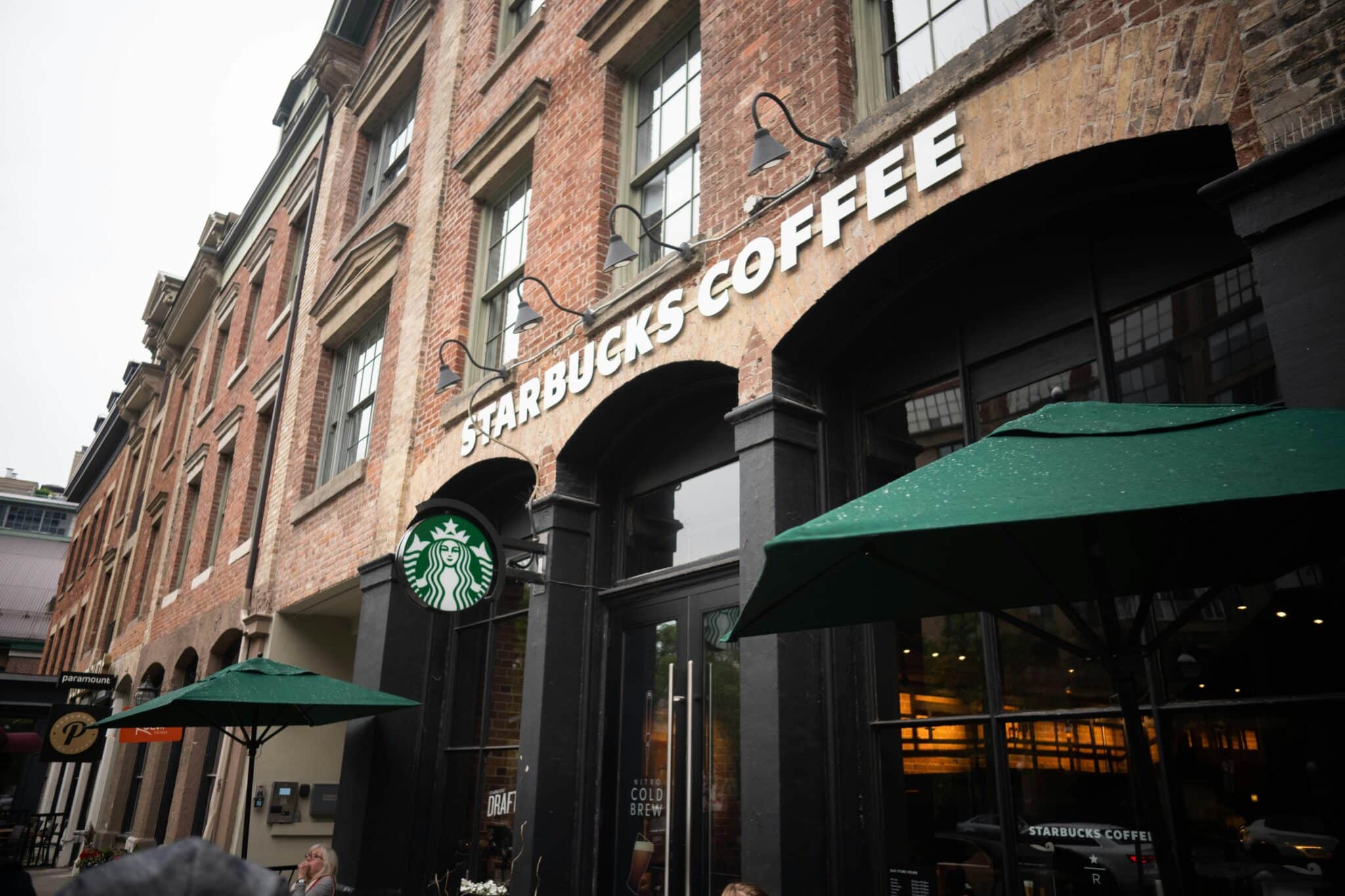
The world’s biggest coffee-shop chain plans to remodel as many as 9,000 cafés across North America, turning more of them into what it calls community lounges, with leather armchairs, rugs, bookshelves, softer lighting and more comfortable seating. The objective is not simply to make Starbucks look better. It is to persuade customers to stay longer, buy another drink and rediscover the coffee shop as somewhere to spend time.
Join The European Business Briefing
New subscribers this quarter are entered into a draw to win a Rolex Submariner. Join 40,000+ founders, investors and executives who read EBM every day.
SubscribeThat represents a striking reversal from the post-pandemic emphasis on speed, takeaway orders and digital convenience. Starbucks has spent years making it easier to order through its app, collect a drink and leave. Now the company is effectively arguing that its next phase of growth may depend on doing the opposite.
Starbucks Wants Its “Third Place” Back
T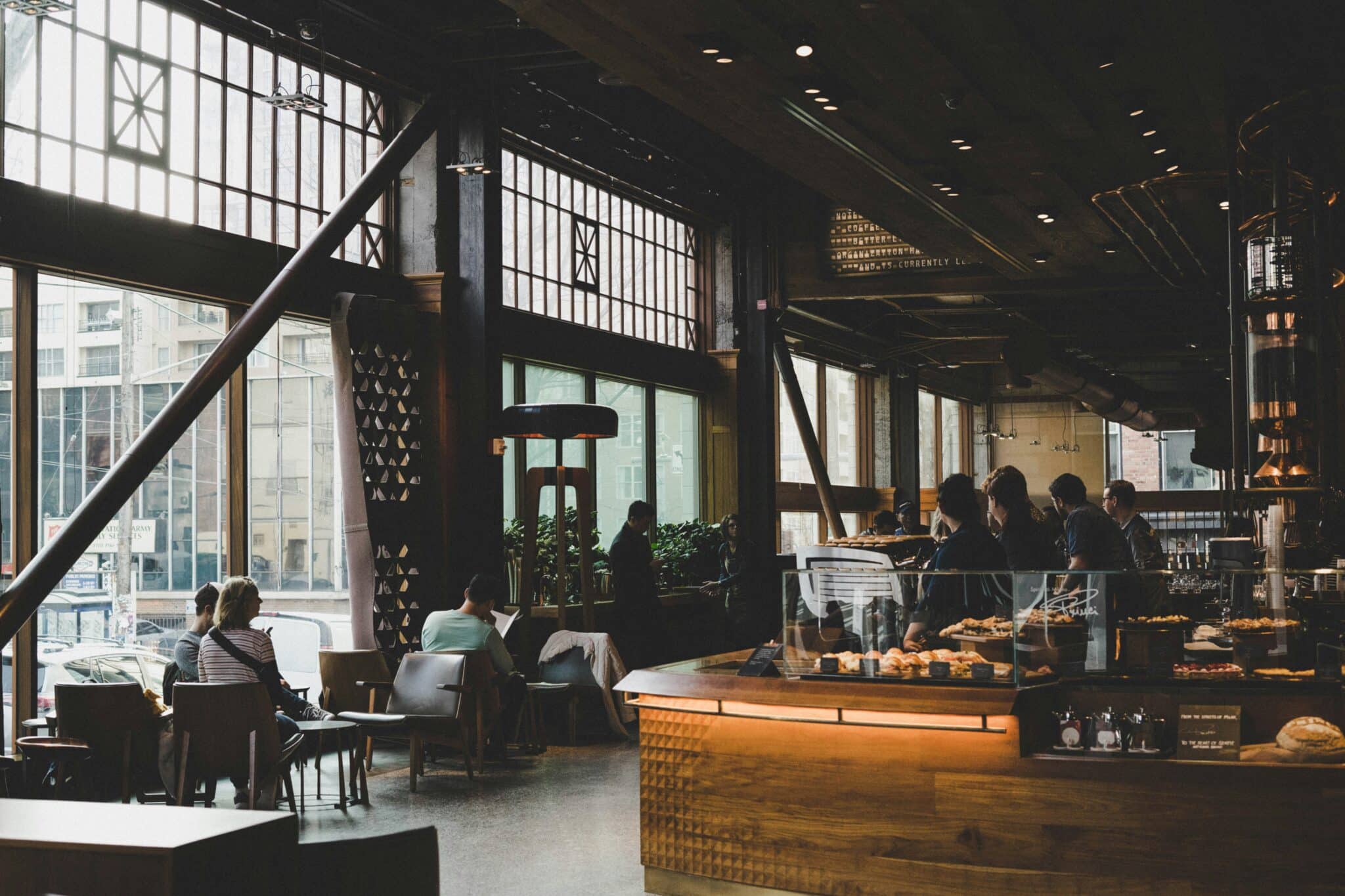
Chief executive Brian Niccol has made restoring that physical experience a central part of his turnaround strategy. Around 1,500 stores are expected to have been upgraded by the end of September, with the company eventually targeting 8,000 to 9,000 North American company-operated stores. Each “uplift” costs roughly $150,000, meaning the eventual programme could exceed $1bn.
The logic is straightforward. A customer who spends five minutes collecting a $6 latte is a transaction. A customer who sits for an hour, orders another drink, buys food and returns later in the week is a relationship.
That makes the investment less about interior design than economics. Starbucks is betting that time spent inside the store can translate into higher customer frequency and greater spending.
That fits a wider shift in retail, where customer experience has become increasingly difficult to separate from the product itself. Coffee is relatively easy to replicate. The environment surrounding it is harder to copy.
The Problem With Making Coffee Shops Comfortable
There is, however, a significant risk in the strategy.
Starbucks can spend millions making its cafés warmer, quieter and more inviting, but it cannot manufacture community simply by putting books on shelves. The company itself has acknowledged the challenge by positioning the redesigned stores around human connection rather than simply aesthetics.
The contrast with fast-growing competitors is revealing. Dutch Bros and 7 Brew have built businesses around speed and convenience, often using much smaller formats with little or no traditional seating. Starbucks is moving in the opposite direction, effectively arguing that its enormous physical footprint can become a competitive advantage rather than a cost burden.
That matters because retail businesses are increasingly having to decide what their physical locations are actually for. If online ordering handles convenience better, the shop needs to offer something digital commerce cannot.
For Starbucks, that something is supposed to be atmosphere.
The company has already added about 25,000 chairs, while redesigned locations feature sofas, rugs, plants, books, community tables and electrical outlets. In Chicago, Starbucks says customers are staying longer and using stores for meetings, work and socialising.
The ambition also sits within a much broader café economy in which experience increasingly matters alongside the quality of the drink. The global market has become sophisticated enough for coffee shops worldwide to compete not simply on beans and brewing techniques but on design, identity and the experience created around them.
A $1bn Test of Human Behaviour
The financial backdrop makes the wager more interesting. Starbucks is simultaneously targeting $2bn of cost savings over two years, while trying to improve service, menus and store economics. Spending $1bn on cafés therefore has to produce a measurable return.
The test will not be whether customers say the new stores are nicer. They almost certainly will.
The real question is whether nicer stores change behaviour.
Do customers visit more often? Do they stay longer? Do they buy a second drink? Does a more comfortable environment increase loyalty enough to offset the cost of creating it?
That is why customer loyalty matters more here than the furniture itself. Starbucks already has scale, brand recognition and a huge loyalty ecosystem. What it needs is to make the physical visit feel sufficiently distinctive that customers choose Starbucks deliberately rather than simply because it happens to be nearby.
There is also a deeper cultural bet. Starbucks is responding to a world in which more work, entertainment, shopping and social interaction happens through screens. Its answer is to create somewhere people might want to escape them.
That is an intriguing proposition for a company selling coffee. But it may also be one of the most important strategic questions facing physical retail: when convenience becomes universal, does human connection become the premium product?
The Real Test
Starbucks is spending $1bn to rediscover an old truth. Convenience may win the transaction, but experience can win the customer.
The chairs, books and rugs are only the visible part of the strategy. The real investment is in persuading people that, after years of being encouraged to move faster and spend more of their lives online, a coffee shop is still somewhere worth staying.
If Starbucks gets that right, the company will not merely have renovated its stores. It will have turned physical space back into a competitive asset.






