































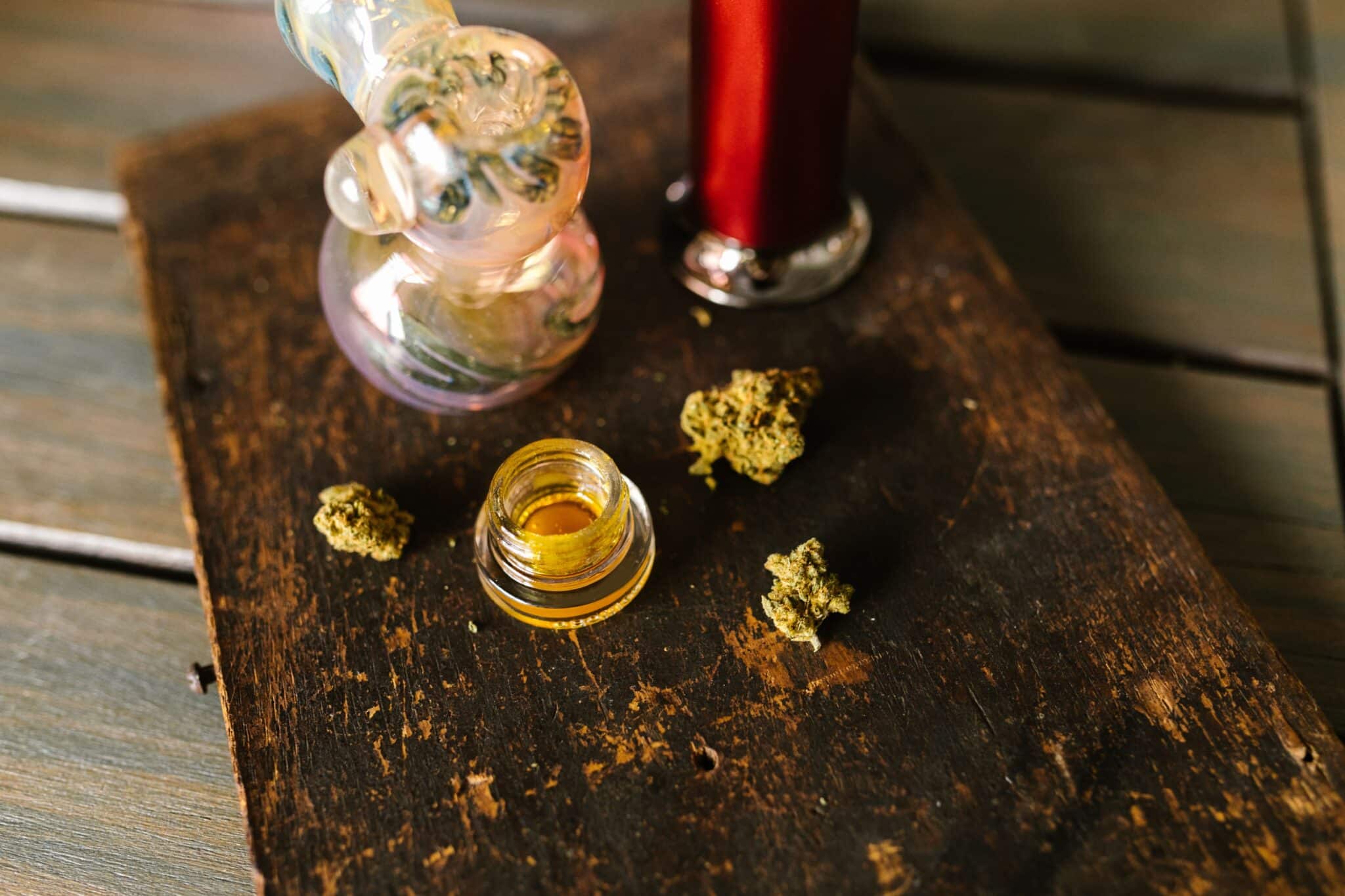
The cannabis sector no longer runs on dried flower alone. Concentrates, the potent extracts pulled from the plant, are the fastest-growing category in many legal markets. For investors and operators, they have shifted from a niche to a serious line of business.

These products range from clear distillates to thick, full-spectrum oils. A typical menu of concentrates and Rick Simpson Oil shows just how varied the category has become. Understanding what these extracts are, and why demand keeps climbing, helps make sense of one of the more dynamic corners of the industry.
Join The European Business Briefing
New subscribers this quarter are entered into a draw to win a Rolex Submariner. Join 40,000+ founders, investors and executives who read EBM every day.
SubscribeWhat Are Cannabis Concentrates?
A concentrate is exactly what it sounds like. It is the active part of the cannabis plant, separated from the leafy material and concentrated into a far stronger form.
While dried flower typically tests between 15 and 25 percent THC, concentrates can reach 60 to 90 percent or more. That potency is the whole appeal. A small amount delivers a strong, consistent effect, which suits both medical users and manufacturers building other products.
The category covers many forms. Distillate is a refined, almost flavorless oil prized for its purity and versatility. Others, like live resin and full-spectrum oils, keep more of the plant’s original compounds. Each serves a different buyer, which is part of why the market has fragmented and grown. The variety also means there is a product for almost every type of consumer.
What Is Rick Simpson Oil?
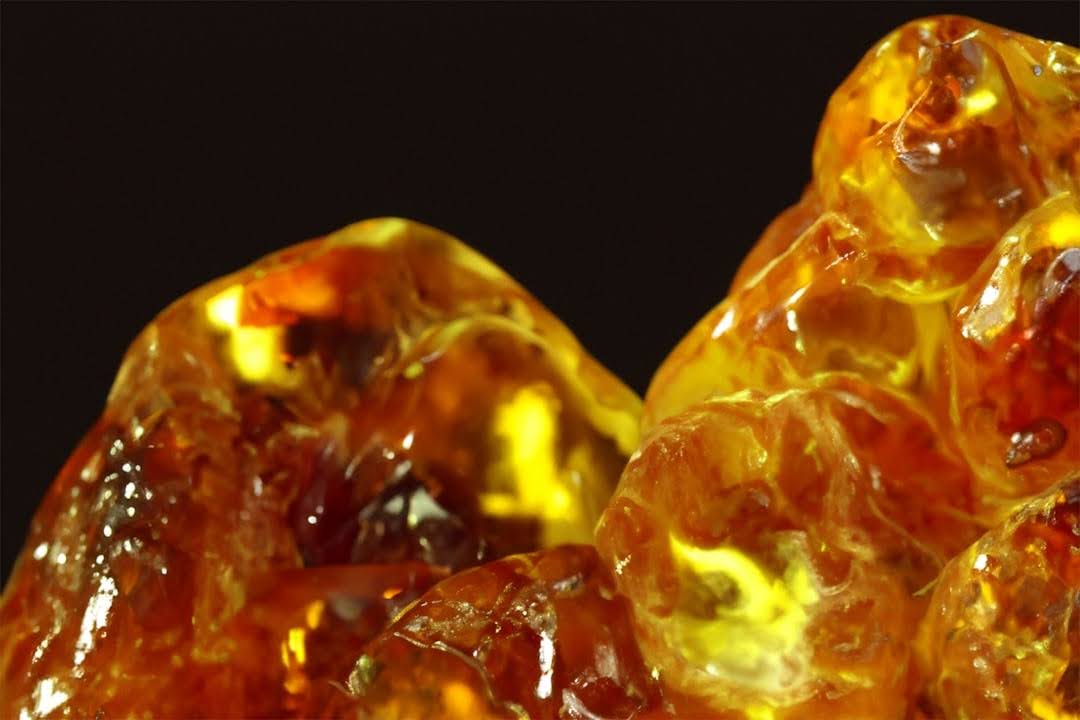
Rick Simpson Oil, usually shortened to RSO, is one of the best-known full-spectrum concentrates. It is named after the man who popularized it as a homemade extract.
Unlike a clear distillate, RSO is a thick, dark oil that retains the plant’s full range of cannabinoids and terpenes. That whole-plant profile is why many medical users seek it out specifically. It is typically taken orally or added to food rather than vaporized.
Its reputation has made it a staple product line. The demand for a named, recognizable extract shows how branding now shapes even this corner of the market. Buyers ask for RSO the way they ask for a known brand elsewhere. That recognition gives it unusual staying power in a market where most products come and go quickly.
Why Is the Concentrates Market Growing So Fast?
Several forces are pushing the same direction at once. Together they have turned concentrates into a growth engine for the wider sector.
The main drivers are clear:
- Potency and value, since a gram of concentrate goes much further than flower.
- Product versatility, because distillate is the base for vapes, edibles, and tinctures.
- Discretion, as oils and vapes carry less smell and bulk than flower.
- Maturing tastes, with experienced consumers trading up to stronger formats.
This mix has produced real momentum. The category is drawing capital, new entrants, and fast product innovation. The investor interest echoes the buzz around recent European market debuts.
Regulation remains the wild card. Federal bodies are still defining the rules. The FDA’s stance on cannabis products will ultimately shape how far the market can expand and how quickly it can scale.
How Do Distillates Fit Into Products?
This is where concentrates become a business, not just a product. Distillate is the quiet workhorse behind much of the modern cannabis shelf.
Because refined distillate is potent and nearly flavorless, it is the perfect ingredient. Manufacturers use it as the active base in vape cartridges, gummies, drinks, and tinctures. They then add flavor and dose to taste. That makes distillate less a finished product than a raw material for an entire industry.
For an operator, that versatility is the appeal. One concentrate stream can feed many product lines, which improves margins and simplifies sourcing. Understanding how a product range actually makes money matters as much here as the chemistry does. The science of extraction is advancing fast. The FDA’s cannabis research and approval process hints at where regulated, standardized products may head.
Where the Market Goes Next
Concentrates have moved from a hobbyist curiosity to a core pillar of the cannabis economy. Distillate underpins a growing share of products, while named extracts like RSO show how branding and demand now drive the category.
The trajectory points up, tempered only by regulation. Operators who understand the difference between a distillate and a full-spectrum oil are better placed to read the market. Knowing where each one fits is half the advantage. For an industry still finding its shape, concentrates are one of the clearest signals of where the money and the innovation are flowing. For now, the smart money is watching the extract shelf closely.
Frequently Asked Questions
Are Concentrates Stronger Than Cannabis Flower?
Yes, by a wide margin. Dried flower usually tests between 15 and 25 percent THC, while concentrates often reach 60 to 90 percent. That means a much smaller amount produces a comparable or stronger effect. The higher potency is the main reason both consumers and product makers have moved toward concentrates.
Is Rick Simpson Oil the Same as CBD Oil?
No. RSO is a full-spectrum cannabis extract that is typically high in THC, the compound that causes intoxication. CBD oil is usually low in THC and does not produce that effect. They are different products with different uses, so buyers should read the cannabinoid content carefully rather than assume they are interchangeable.
How Are Cannabis Distillates Used In Products?
Distillate is a versatile base ingredient. Because it is potent and nearly flavorless, manufacturers add it to vape cartridges, edibles, drinks, and tinctures, then control the flavor and dose. This lets one concentrate supply many product lines, which is a key reason distillate has become central to the commercial cannabis market.
Is the Cannabis Concentrates Market Regulated?
It depends heavily on the jurisdiction. In legal markets, concentrates are typically subject to testing, labeling, and potency rules. At the federal level in the United States, the framework is still evolving, and agencies continue to refine their approach. Regulation is widely seen as the biggest factor shaping the sector’s future growth.