































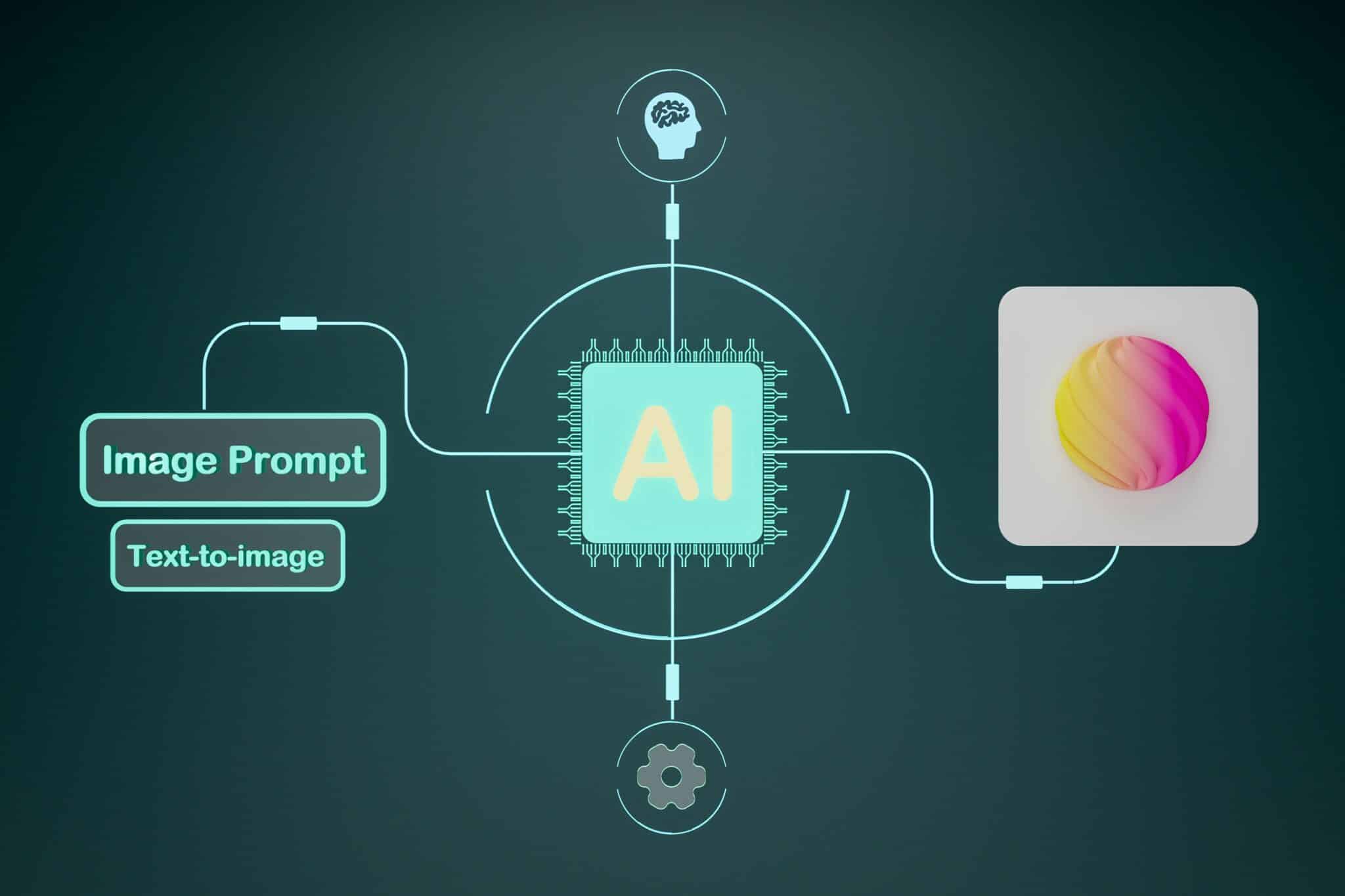
For three decades, Photoshop defined digital design. Now artificial intelligence is rewriting the rules. Tools that once required years of training can be used by anyone who can type a sentence, and businesses can create campaign images, product shots and social content in minutes rather than days.
The shift is part of a wider AI boom that is reshaping software, as vibe coding transforms how products are built. For marketing teams and agencies, the question is no longer whether to use AI design tools, but which ones. These are the ten leading the way.
1. Adobe Firefly
Adobe’s answer to the AI challenge is built into Photoshop, Illustrator and Express. Firefly’s generative fill and image generation let designers add, remove or extend elements with a text prompt. Adobe stresses that it is trained on licensed content, which appeals to brands worried about copyright.
Join The European Business Briefing
New subscribers this quarter are entered into a draw to win a Rolex Submariner. Join 40,000+ founders, investors and executives who read EBM every day.
Subscribe2. Canva
Canva has become the go-to design tool for non-designers. Its Magic Studio suite generates images, writes copy, removes backgrounds and resizes designs for every platform. With templates for almost everything, it is a favourite of small businesses and marketing teams.
3. Midjourney
Midjourney is widely regarded as producing some of the most striking and artistic AI images available. It is popular with creative agencies for concept art, mood boards and campaign visuals, and its image quality has improved rapidly with each new version.
4. Figma
Figma is the leading tool for interface and product design, and its AI features now help teams generate layouts, rename layers and turn rough ideas into working prototypes. It is the standard choice for digital product and app design teams.
5. ChatGPT Image Generation
OpenAI’s image generation, built into ChatGPT, lets users create and edit images through conversation. It is strong at following detailed instructions, including placing text accurately in images, which makes it useful for quick marketing graphics and mock-ups.
6. Leonardo.ai
Now owned by Canva, Leonardo.ai offers powerful image generation with fine control over style and consistency. It is popular for game assets, product visuals and marketing imagery, with tools for training custom models on a brand’s own look.
7. Stability AI
Stability AI, the London-based company behind Stable Diffusion, offers open image models that businesses can run and customise themselves. That flexibility makes it a favourite with developers and companies that want more control over their data and outputs.
8. Ideogram
Ideogram stands out for its ability to generate accurate text within images, a long-standing weakness of AI design tools. That makes it particularly useful for posters, logos, social media graphics and advertising concepts.
9. Microsoft Designer
Microsoft Designer brings AI image generation and graphic design into the Microsoft 365 ecosystem. It is aimed at everyday business users who need quick social posts, invitations and presentation visuals without specialist software.
10. Krea
Krea offers real-time AI image generation and enhancement, letting designers see results change instantly as they sketch or adjust prompts. Its upscaling and editing tools have made it popular with creative professionals experimenting with AI workflows.
How to Choose
Consider who will use it and what for. Canva and Microsoft Designer suit everyday business users, Midjourney and Leonardo excel at creative visuals, and Adobe Firefly and Figma fit professional design teams. Check the licensing terms carefully: copyright remains a live issue, and Europe’s approach to AI governance is still evolving.
My Read
Photoshop isn’t dead, but its monopoly is over. AI has turned design from a specialist skill into an everyday business tool, and Adobe is now competing with dozens of fast-moving rivals. The winners will be the companies that combine AI’s speed with human creative judgement. European start-ups are part of that race, as our look at Europe’s fastest-growing start-ups shows, but the AI build-out is costly, as Google’s $51bn quarterly bill and investors’ concerns over AI valuations make clear.
Related Analysis






