


























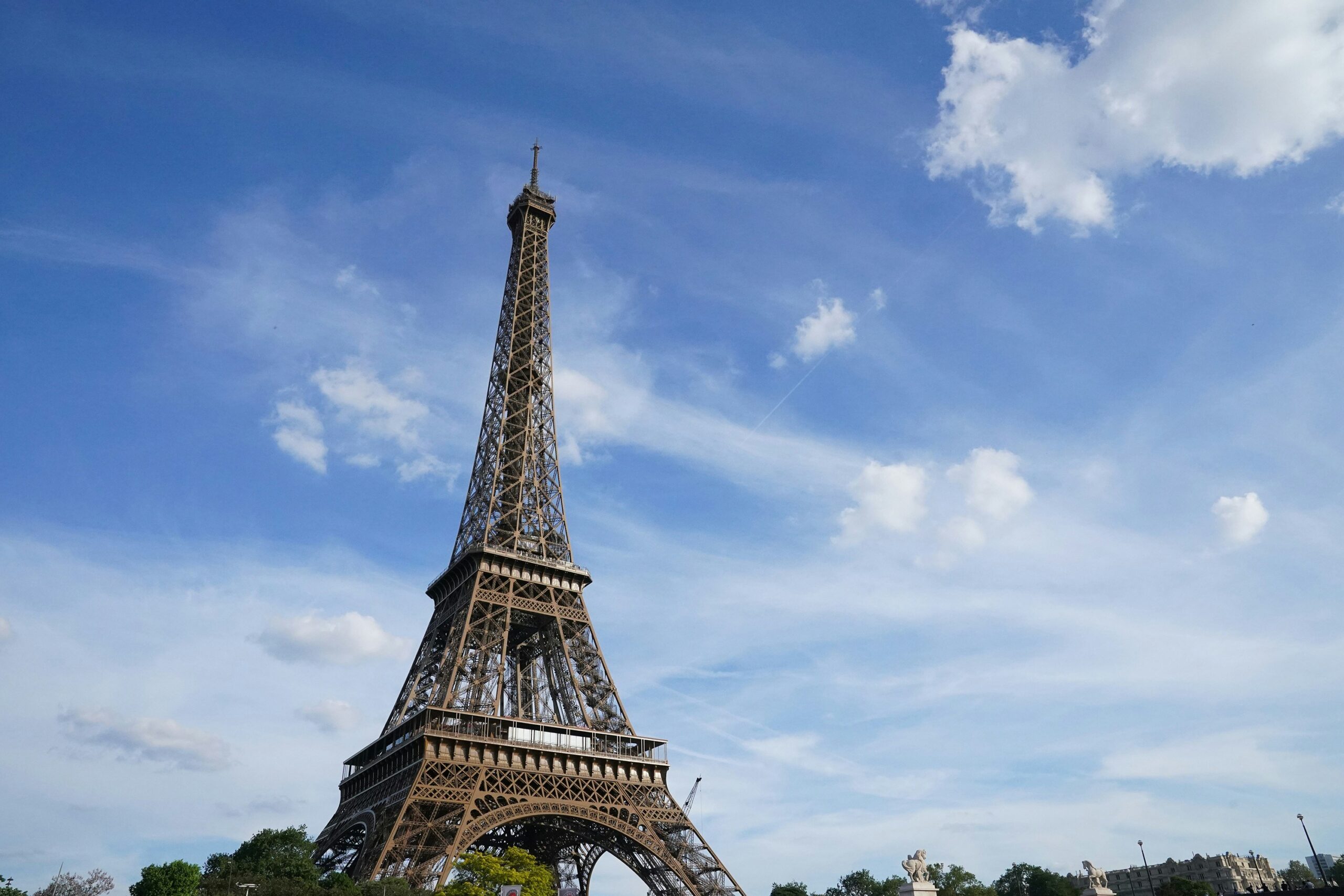
France attracts thousands of international workers every year, drawing people in not just for the food or the sights, but for the chance to live the lifestyle. A working holiday visa allows travellers to stay for a year, earning money to fund their travels while immersing themselves in the culture.
It isn’t always straightforward, though. Moving to France involves navigating complex paperwork, understanding a different work culture, and adjusting to the rhythm of French daily life. This guide breaks down the essentials for anyone planning a long-term stay, covering everything from securing that initial visa to finding a steady job locally.
Getting the Visa Sorted
The first hurdle is always the “Visa Vacances-Travail.” Eligibility depends on nationality and age, usually capping at thirty or thirty-five. Applicants need to show proof of savings, typically around €2,500, to ensure they can survive the first few weeks without income.
Join The European Business Briefing
New subscribers this quarter are entered into a draw to win a Rolex Submariner. Join 40,000+ founders, investors and executives who read EBM every day.
SubscribeThe application happens at the French consulate in the home country, never in France itself. Once the passport returns with the stamp, the clock starts ticking. Upon arrival, there is often confusion about validating the visa online. It used to be a physical stamp at a local office, but now the French administration uses a digital portal.
Neglecting this step can cause headaches later, especially if leaving the Schengen zone. It is vital to print every confirmation email and keep digital copies on a phone. Bureaucracy in France is famous for a reason, and having a paper trail is the only way to truly win.
Choosing a Destination and Housing
Choosing a destination depends on whether a traveller prefers the coastal life of Brittany or the year-round activity of the mountains. Mountain regions like the Pyrénées or the Alps offer seasonal work in both summer and winter, making them a popular base.
Once a location is chosen, securing a roof over one’s head becomes the priority, regardless of the season. Competition for rentals is fierce, so starting the search early is essential. Many workers rely on local Facebook groups or word-of-mouth rather than agencies, especially in smaller towns.
Living arrangements vary significantly based on luck and timing. For instance, a group working a mountain biking season might secure a long-term rental in a beautiful French ski chalet during the quieter summer months to split costs, while others settle for cramped studios in satellite villages to save euros. Checks for deposits are strict, and landlords often demand months of rent upfront.
Summer Jobs and Agriculture
Beyond the mountains, the agricultural and coastal industries provide the bulk of summer work openings. The “vendanges,” or grape harvests, occur in late summer and autumn across regions like Bordeaux and Burgundy. These are short-term contracts, physically demanding but social.
Farmers often provide food and camping spots, keeping living costs low. For those preferring hospitality, the south of France and Corsica need staff for campsites, hotels, and bars from May to September. Speaking reasonable French is much more important here than in the major resorts.
In many mountain towns, English is the lingua franca, but in rural Bordeaux or a busy campsite in Brittany, a basic command of the local language is expected. Finding these jobs often requires being on the ground quickly. Walking into a bar with a CV in hand usually works better than emailing. Flexibility remains key; plans frequently change based on weather, harvest timing, or simply meeting other travellers heading in a different direction entirely.
Logistics of Daily Living
Setting up life involves more than just finding a job. Opening a French bank account is notoriously difficult for temporary residents. Banks often ask for proof of address, while landlords ask for a bank account, creating a frustrating loop. Online banks or services like Revolut have made this easier, though traditional French employers sometimes refuse non-French IBANs.
Adjusting to the French pace is key. Life moves differently; lunch breaks are long and taken seriously, and shops frequently close on Sundays, especially outside major cities. Workers quickly learn there’s a different work culture, and travellers learn the value of the daily market.
Buying produce directly from the grower is not just cost-effective, but central to the culture. Regional nuances are strong. A person living in Brittany will experience a different lifestyle rhythm than someone in the Mediterranean. Making an effort with the language, even poor French, is vital for social integration and enjoying the local scene. It opens doors.
Insurance and Health Coverage
France boasts an exceptional healthcare system, yet accessing it as a temporary resident is notoriously slow. While the “Carte Vitale” offers reimbursed care, the application process often outlasts a one-year working holiday visa. Consequently, holding comprehensive private coverage is not just recommended; it is a mandatory visa requirement covering repatriation and emergency hospitalisation, which the state system cannot fully handle for short-term visitors.
For travellers planning to maximise their central location within Europe, standard single-trip policies fall short. Instead, opting to purchase annual travel insurance is the smartest strategy. This multi-trip coverage provides the flexibility to enjoy weekend excursions across the Schengen zone, whether skiing in Switzerland or sunbathing in Spain, without the administrative headache of arranging new cover for every departure.
For minor health issues, local pharmacies offer excellent advice, but for serious incidents, keep your insurance documents accessible to avoid facing significant upfront hospital costs.
Is the Experience Worth the Hassle?
Living and working in France changes perspectives on work-life balance. It is rarely the film version of baguettes and leisurely coffees, but rather a lesson in patience. The bureaucracy can be frustrating, the wages are modest, and the language barrier can feel isolating. Yet, the ability to live locally, understand the nuances of a different culture, and build a network of international friends offers value beyond money.
Does the joy of a year spent exploring Europe outweigh the challenge of navigating French administration? For the thousands who take the plunge every single year, the answer is a resounding and absolute yes.