






























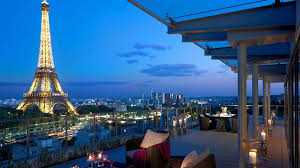
There are hotels that impress with grandeur and others that persuade through discretion. The Shangri-La Paris manages both — a property that glows rather than shouts, balancing the opulence of a grand hôtel with the composure of a private residence. Perched above the Seine in the 16th arrondissement, a short glide from the Trocadéro and facing the Eiffel Tower at a cinematic angle, it remains one of Europe’s few hotels that still feel genuinely rarefied. Written By Nick Staunton
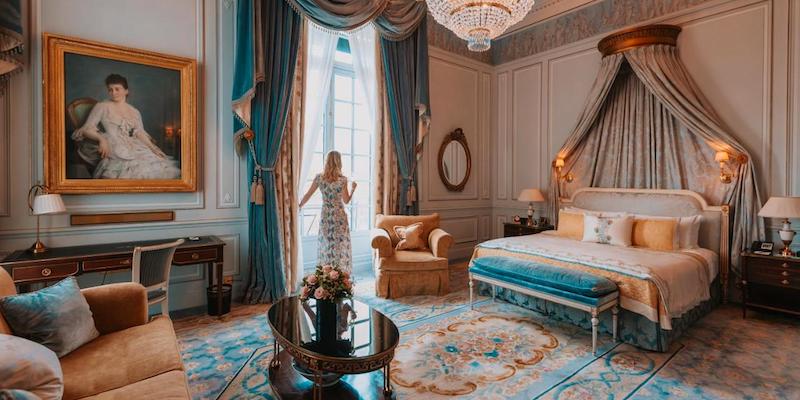 Built as the residence of Prince Roland Bonaparte in 1896, the building’s transformation into a hotel was as much restoration as resurrection. The result is a place where Belle Époque architecture meets modern diplomacy. This is a hotel where executives arrive without fanfare, where meetings take place behind silk-panelled doors, and where the staff move with the sort of economy that only comes from confidence. It’s easy to see why it was crowned Best Business Hotel in 2016 — the award was less about technology or size, more about the art of understanding power and privacy.
Business, Silenced but Not Forgotten
While many luxury hotels in Paris have turned toward fashion or celebrity, the Shangri-La has always leaned toward statesmanship. The suites double as boardrooms, and the salons, with their Versailles gilt and frescoed ceilings, have hosted as many quiet negotiations as wedding receptions. There’s a feeling of calm authority that pervades — a tone that suits both diplomats and dealmakers.
Join The European Business Briefing
New subscribers this quarter are entered into a draw to win a Rolex Submariner. Join 40,000+ founders, investors and executives who read EBM every day.
Subscribe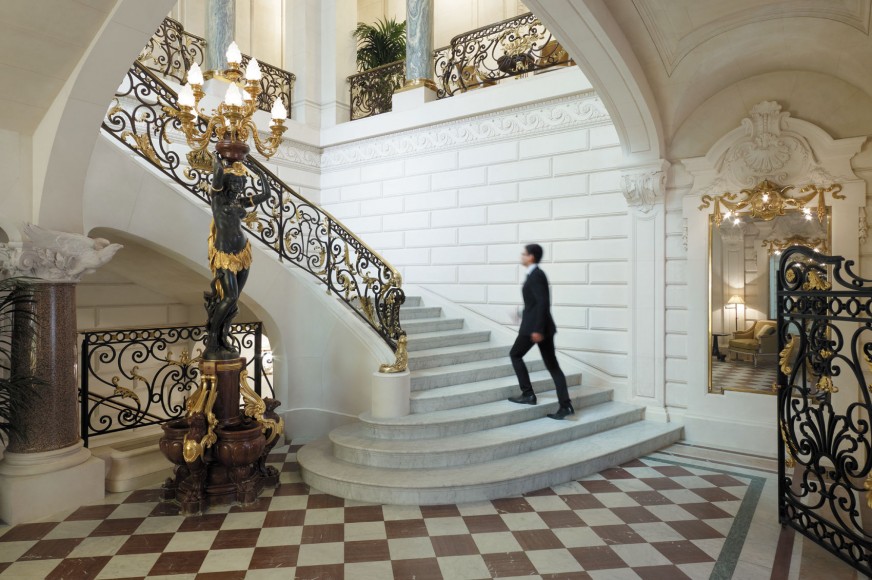 For business travellers, the service is seamless without being servile. Wi-Fi is invisible but flawless, room service efficient and discreet. Every request feels anticipated rather than fulfilled. The concierge team can secure a table or a transfer in minutes, and their understated precision is a defining hallmark. In an era of design hotels and self-check-in apps, Shangri-La’s success lies in returning to a form of crafted hospitality — high-touch, human, and unfailingly poised.
The Private Side of Grandeur
The rooms, many with private terraces overlooking the Eiffel Tower, favour silk over steel and symmetry over spectacle. Bathrooms are vast, lined in marble; the lighting — a critical test for business travellers and the jet-lagged — is perfectly balanced. The hotel’s Michelin-starred restaurant, L’Abeille, named after Napoleon’s emblem, feels less like a dining room and more like a confidential address. Even the spa, scented with subtle jasmine and warmed stone, operates with a certain hush that feels closer to ritual than recreation.
There is an old-world rhythm here that modern luxury sometimes forgets. Everything functions, but nothing feels hurried. And in a city where indulgence is easy to find, the Shangri-La offers something rarer — composure.
Why It Won
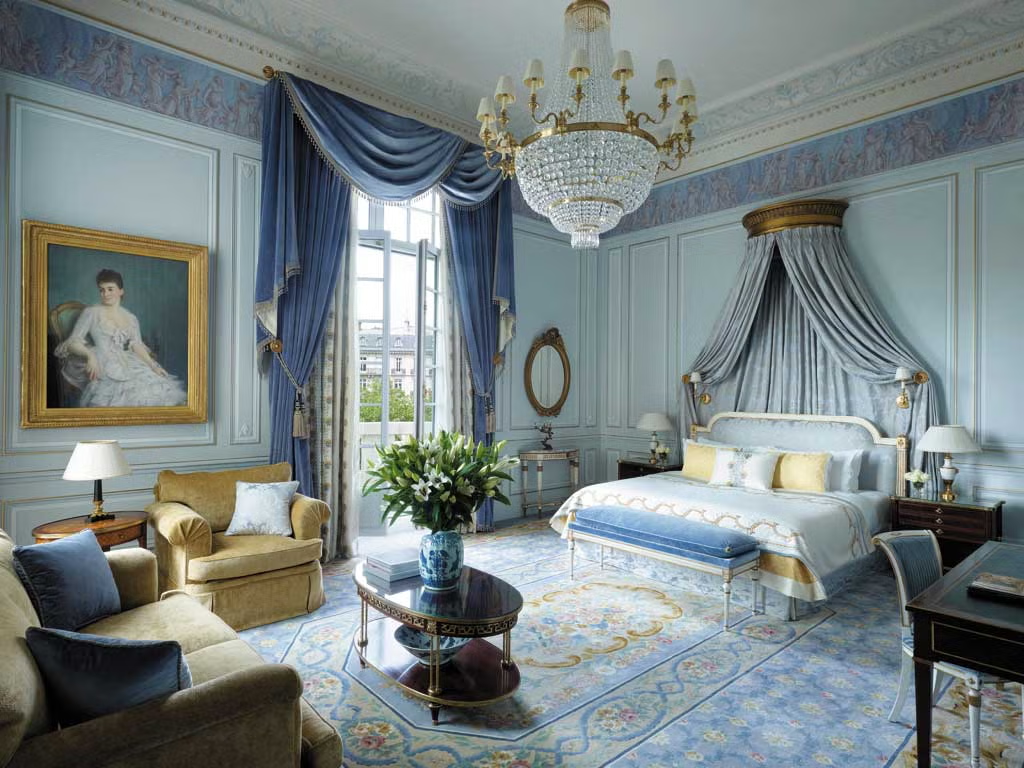 When the hotel took home the Best Business Hotel title in 2016, it wasn’t simply for its suites or setting. It was for an ethos: discretion as a form of luxury. Paris has no shortage of five-star addresses, but few can manage to be both regal and reserved. The Shangri-La’s triumph lies in understanding that serious travellers don’t always seek attention; they seek assurance.
Today, as Paris reinvents itself for a new generation of global guests, the Shangri-La remains a sanctuary for those who still value the old codes of hospitality — civility, calm, and a view that reminds you why the city still sets the standard.