





























Imagine standing at the edge of a vast ocean, where each wave represents a different market, and you’re tasked with riding them expertly to profit. As you consider trading as a career, you’ll need to navigate the complexities of stocks, forex, and cryptocurrencies, each with its own unique challenges and rewards. You might wonder what skills are essential to succeed and how to create a solid trading plan that withstands market volatility. The answers could reshape your approach to financial independence and stability, but where do you begin?
Understanding the Trading Landscape
Understanding the trading landscape is essential for anyone considering trading as a career. You’ll encounter various markets, including stocks, forex, commodities, and cryptocurrencies, each with unique characteristics and trading hours. Familiarizing yourself with these markets helps you identify which aligns with your interests and risk tolerance.
Market structure plays a significant role in trading. You’ll need to grasp concepts like liquidity, volatility, and market sentiment. For instance, high liquidity often results in tighter spreads, while increased volatility can enhance profit opportunities but also amplifies risks.
Join The European Business Briefing
New subscribers this quarter are entered into a draw to win a Rolex Submariner. Join 40,000+ founders, investors and executives who read EBM every day.
SubscribeAdditionally, you should be aware of regulatory environments that govern trading practices. Different regions impose distinct rules, impacting how you can trade and the instruments available. Understanding these regulations is essential for compliance and to avoid penalties.
Moreover, technological advancements have revolutionized trading; algorithms and high-frequency trading dominate many markets. Keeping abreast of these changes allows you to adapt your strategies accordingly.
Lastly, networking within trading communities can provide insights and resources, enriching your understanding. Overall, a thorough grasp of the trading landscape equips you to make informed decisions in your trading career.
Essential Skills for Traders
To succeed in trading, you’ll need a specific set of skills that go beyond mere knowledge of the markets. Mastering these skills will enhance your ability to make informed decisions and navigate the complexities of trading effectively.
Here are five essential skills you should develop:
- Analytical Thinking: You must be able to process vast amounts of data and identify patterns that inform your decisions.
- Risk Management: Understanding how to assess and mitigate risks is imperative for protecting your capital and ensuring long-term success.
- Emotional Discipline: Trading can be psychologically taxing; maintaining composure and sticking to your plan is fundamental.
- Adaptability: Markets are dynamic, and being able to adjust your strategies in response to new information or market conditions is important.
- Technical Proficiency: Familiarity with trading platforms, tools, and software will streamline your trading process and improve efficiency.
Types of Trading Strategies
In the fast-paced world of trading, various strategies can dictate your approach and influence your success. Each trading strategy has its own set of principles and methodologies that align with different market conditions and personal preferences.
One common approach is day trading, where you buy and sell assets within the same trading day to capitalize on short-term price movements. This strategy requires quick decision-making and a keen understanding of market trends.
In contrast, swing trading focuses on capturing gains over a few days or weeks, allowing you to take advantage of market fluctuations while avoiding the pressures of daily trades.
Position trading is another long-term strategy, where you hold assets for months or even years, relying on fundamental analysis to identify undervalued stocks or commodities.
Trend trading, on the other hand, involves following established market trends, which may require you to stay vigilant about ongoing price movements.
Lastly, algorithmic trading leverages advanced computer programs to execute trades based on predetermined criteria, enhancing speed and efficiency.
Risk Management Techniques
Effective risk management techniques are essential for any trader aiming to protect their capital and enhance overall profitability. By implementing these techniques, you can minimize losses and position yourself for long-term success in the trading arena.
Here are some key strategies to contemplate:
- Position Sizing: Determine the size of your trades based on your risk tolerance and total capital. This helps in limiting potential losses.
- Stop-Loss Orders: Use stop-loss orders to automatically exit a trade if it moves against you, protecting your capital from significant losses.
- Diversification: Spread your investments across various assets to mitigate the risks associated with any single investment.
- Risk-Reward Ratio: Establish a clear risk-reward ratio for each trade. Ideally, aim for a ratio of at least 1:2, where potential gains outweigh potential losses.
- Regular Review: Continuously assess your trading performance and strategies. Identifying what works and what doesn’t can help you adapt and improve over time.
Setting Up Your Trading Environment
Creating an ideal trading environment is essential for enhancing focus and decision-making. Start by selecting a dedicated space that minimizes distractions. Your trading area should be quiet, well-lit, and free from interruptions. This physical separation helps you mentally shift into a trading mindset.
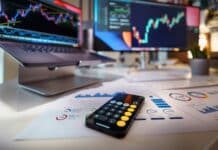
Invest in a reliable computer with sufficient processing power and a stable internet connection. Lagging systems can lead to missed opportunities and increased stress. Additionally, consider multiple monitors to track various markets and data simultaneously. This setup allows you to analyze trends and make informed decisions quickly.
Ergonomics also plays a critical role. Use a comfortable chair and desk that promotes good posture, reducing fatigue during long trading sessions.
Organize your workspace with essential tools—charts, trading platforms, and news feeds—easily accessible. Consider using Kama Capital Online Trading Platform for a seamless trading experience, offering intuitive tools and real-time market insights.
Choosing the Right Markets
When evaluating which markets to trade, understanding your own strengths and weaknesses is essential. This self-awareness helps you select markets that align with your skills, risk tolerance, and trading style.
Various markets offer distinct characteristics, and you should consider the following factors before diving in:
- Volatility: Some markets experience rapid price changes, which can create opportunities but also increase risk.
- Liquidity: High liquidity allows for easier entry and exit from trades, minimizing slippage.
- Market Hours: Different markets have varying trading hours, which can impact your ability to execute trades when you want.
- Complexity: Some markets, like options or futures, may require deeper knowledge and experience than others.
- Regulatory Environment: Be aware of the regulations governing the markets you’re interested in, as these can affect your trading strategies.
Developing a Trading Plan
A well-structured trading plan is essential for achieving consistent results in your trading endeavors. Start by defining your trading goals, whether they’re short-term profits or long-term wealth accumulation.
Next, outline your risk tolerance. Determine how much of your capital you’re willing to risk on each trade, and establish a maximum loss threshold to protect your investments.
Identify your trading strategy. This includes deciding whether you’ll engage in day trading, swing trading, or position trading. Each method requires different time commitments and approaches to market analysis.
Specify the markets you’ll trade in, ensuring they align with your strategy and expertise.
Incorporate entry and exit criteria in your plan. Define the indicators or signals you’ll use to enter a trade, as well as the conditions that will prompt you to exit. This creates discipline and reduces emotional decision-making.
Regularly review and adjust your trading plan based on performance. Analyze your successes and failures to understand what works and what doesn’t.
Psychological Aspects of Trading
Having a solid trading plan lays the groundwork for success, but the psychological aspects of trading can markedly impact your performance. Your mindset often dictates how you react to market fluctuations, manage risk, and adhere to your strategy. Understanding and managing these psychological factors is essential.
Consider these key psychological aspects:
- Emotional Discipline: Staying calm and rational helps you avoid impulsive decisions.
- Fear of Missing Out (FOMO): This can lead to over trading or jumping into positions without proper analysis.
- Loss Aversion: The fear of losing money can prevent you from making necessary trades, even when data supports them.
- Overconfidence: Believing too much in your abilities may lead to reckless trading decisions.
- Stress Management: High-stress levels can cloud judgment and hinder performance.
Evaluating Your Trading Performance
Evaluating your trading performance is vital for identifying strengths and weaknesses in your approach. Start by meticulously tracking your trades, including entry and exit points, trade size, and the rationale behind each decision. This data forms the foundation for a thorough analysis.
Next, calculate your win rate, which is the percentage of profitable trades compared to the total number of trades. A win rate below your target may indicate the need for improved strategy or risk management. Assess your risk-to-reward ratio as well; successful traders often aim for a ratio of at least 1:2, meaning potential profits should greatly outweigh potential losses.
It’s also important to analyze the emotional aspects of your trades. Keep a trading journal to document your thoughts and feelings during each trade. Over time, patterns may emerge, revealing emotional triggers that impact your decision-making.
Lastly, set specific performance metrics, like monthly returns or risk-adjusted performance indicators, to objectively measure your progress. Regularly reviewing these metrics will help you refine your trading strategy and enhance your overall effectiveness as a trader.
Approaching performance evaluation with discipline will ultimately lead to continued growth and increased profitability.
Conclusion
As you navigate the intricate world of trading, remember that success hinges not just on your strategies, but also on your mindset. Each decision you make could lead to triumph or setback. Are you ready to embrace the challenges and rewards that await? By continuously honing your skills and adapting your approach, you’ll reveal the potential to thrive. The question is, will you take the leap and transform your passion for trading into a rewarding career?