






























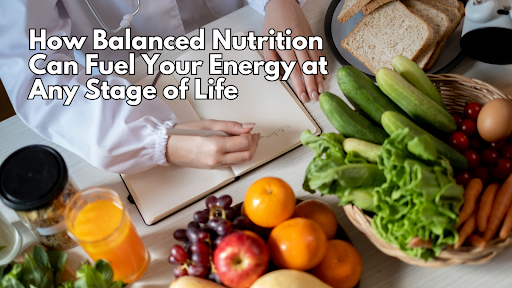
Nutrition fuels your body and mind, driving everything from your daily activities to your long-term health. Balanced nutrition can become especially important when energy demands shift with age, lifestyle, and health conditions. By understanding the role of essential nutrients and embracing healthier choices, people can maintain higher levels of energy throughout life.
This article looks into how a holistic diet can enhance energy and vitality. Whether it is a full-time student burning the midnight, a working professional tackling an overwhelming career, or an aged adult striving for sustained wellness, balanced nutrition is what keeps one living with much energy and purpose.
Energy from Nature
Natural energy sources like whole foods or drinks made from plants do not suffer the disadvantage of artificial energy solutions. Add to that another level of boost by having a natural drink type, like coffee, juice, green tea, or an energy drink, providing a gentle boost without the negative effects of artificial stimulants.
Join The European Business Briefing
New subscribers this quarter are entered into a draw to win a Rolex Submariner. Join 40,000+ founders, investors and executives who read EBM every day.
SubscribeFor those seeking an extra boost, incorporating a natural caffeine energy drink can be a healthier alternative to traditional energy products, offering sustained energy without the jitters or crashes. For busy professionals, active seniors, and students with hectic schedules, natural ingredients-enhanced energy drinks complement a balanced diet by upgrading focus and stamina through enhancing these abilities.
Key advantages are:
- Rich in Essential Nutrients: Foods such as fruits, vegetables, nuts, and seeds deliver a blend of vitamins, minerals, and antioxidants.
- Sustainable Energy Release: Unlike refined sugars, natural sources like whole grains and bananas release energy gradually, preventing sudden crashes.
- Support for Metabolism: Nutrient-dense foods aid the body’s metabolic processes, ensuring optimal energy use.
- Hydration Benefits: Foods like cucumbers, melons, and citrus fruits contribute to fluid intake, boosting hydration and energy levels.
Key Nutrients for Energy
Complex Carbohydrates: Unlike refined sugars, complex carbohydrates slowly release energy. They exist in whole grains, legumes, and vegetables, keeping the body’s glucose levels stable with minimal drops in blood sugars.
Healthy Fats: Fats are often demonized but play an essential role in both hormone production and energy storage. Among some of the best sources of fats are avocados, nuts, and seeds rich in omega-3 fatty acids for brain function and inhibiting fatigue.
Lean Proteins: Protein will enhance muscle repair and growth and play a role in long-term satiety. With sources such as fish, eggs, and plant-based proteins, energy levels and recovery times can improve.
Vitamins and Minerals
Iron: Prevents fatigue by helping to transport oxygen.
Magnesium: Converts food into energy and supports muscles.
Vitamin B Complex: Required for energy production at the cellular level.
Hydration
Adequate hydration is somewhat neglected but must be ensured for the preservation of energy as well as mental performance. Water, herbal tea, and natural energy drinks with caffeine will keep body parts hydrated without adding a cocktail of artificial additives to the bloodstream.
Role of Age in Nutritional Energy Needs
Children and Teenagers
The body needs more calories and nutrients at the growth stages. Meals must be balanced, containing carbohydrates, proteins, and fats to produce energy for physical and mental growth.
For Adults
Active, hectic lifestyles and demanding work lives make adults thrive with regular meal timing and nutrient-rich foods. Fiber and lean protein support energy levels throughout the day.
For Older Adults
A slowing metabolism means a lessened need for energy but nutrient-rich foods increase in importance. Antioxidants, fiber, and adequate vitamins D and calcium keep energy levels and overall wellness up.
How Lifestyle Choices Affect Energy
1. Sleep and Energy
Poor sleep clears the body’s energy system, leaving a person usually languid and low on energy. Balanced nutrition, notably foods rich in magnesium and tryptophan, improves sleep cycles.
2. Exercise and Nutrition
Exercise regularly increases energy by improving blood circulation and oxygen delivery. Fitness meals pre- and post-workout sessions are rich in proteins and carbohydrates to help recover and maintain stamina.
3. Stress Management
Stress consumes energy resources, but the appropriate diet counteracts oxidative stress and returns to normal: omega-3 fatty acids and antioxidant dietary intake.
Meal Strategy for Steady Energy
Well-balanced meals planned across the day may maintain energy levels at par all day long. Here’s an easy guide.
- Breakfast: Whole-grain toast with avocado and eggs
- Snack: A handful of nuts and a piece of fruit
- Lunch: Grilled chicken or tofu with quinoa and steamed vegetables.
- Snack: Natural caffeine energy drink and yogurt.
- Dinner: Salmon or legumes with sweet potatoes and leafy greens.
Power of Superfoods
Superfoods are foods that offer the body with so many health benefits, such as long-lasting energy. Some of them include:
- Chia Seeds: High in omega-3s and fiber that will release long-term energy
- Spinach: High in iron and magnesium for combating fatigue
- Blueberries: Full of antioxidants fighting the oxidative stress.
This can be added to meals and snacks and used all day long for energy.
Balancing Nutrition for Mental Energy
Nutrition isn’t only for the energy in the body but also for mental performance.
Brain-Boosting Nutrients
Omega-3 Fatty Acids: Derived from fish and flaxseeds, which enhance memory and concentration.
Vitamin E: Protects the brain cells from oxidative stress.
Glucose: It is the only fuel for the brain, which comes from complex carbohydrates.
Mindful Eating for Focus
Refrain from consuming heavy and giant meals, which will subsequently crash energy levels. Instead, take more frequent small portions to maintain glucose steady and the mental condition not fatigued.
Individualization of Nutrition According to Activity Levels
For Highly Active
People with physically demanding jobs or heavy workouts require caloric intake. It must be complemented by proteins, good fats, and carbohydrate sources both for endurance and recovery.
For Inactive Lifestyle
People who work at a desk most of the day or those who lead a relatively inactive lifestyle should, therefore, be emphasized on nutritious but lower-calorie meals to not gain weight and energy slumps. Light refreshment and hydration can prevent mid-day sloths too.
For Moderate Living
Nutrition is very much the foundation of vitality at any age. By including a balance of natural, nutrient-dense foods in your diet, you can help maximize your physical and mental energy levels, regardless of lifestyle or age.
FAQs
- How does nutrition impact energy?
A nutritious meal provides all the necessary nutrients to both maintain physical and mental acts. Hence there is no fatigue or energy crash.
- Are natural energy drinks better?
Yes, natural energy drinks generally avoid artificial additives and emphasize ingredients that support hydration and sustained energy.
- Can a diet deficiency cause chronic fatigue?
Absolutely. Low levels of key nutrients like iron, B vitamins, or magnesium have been linked to weakness and chronic fatigue.






