


























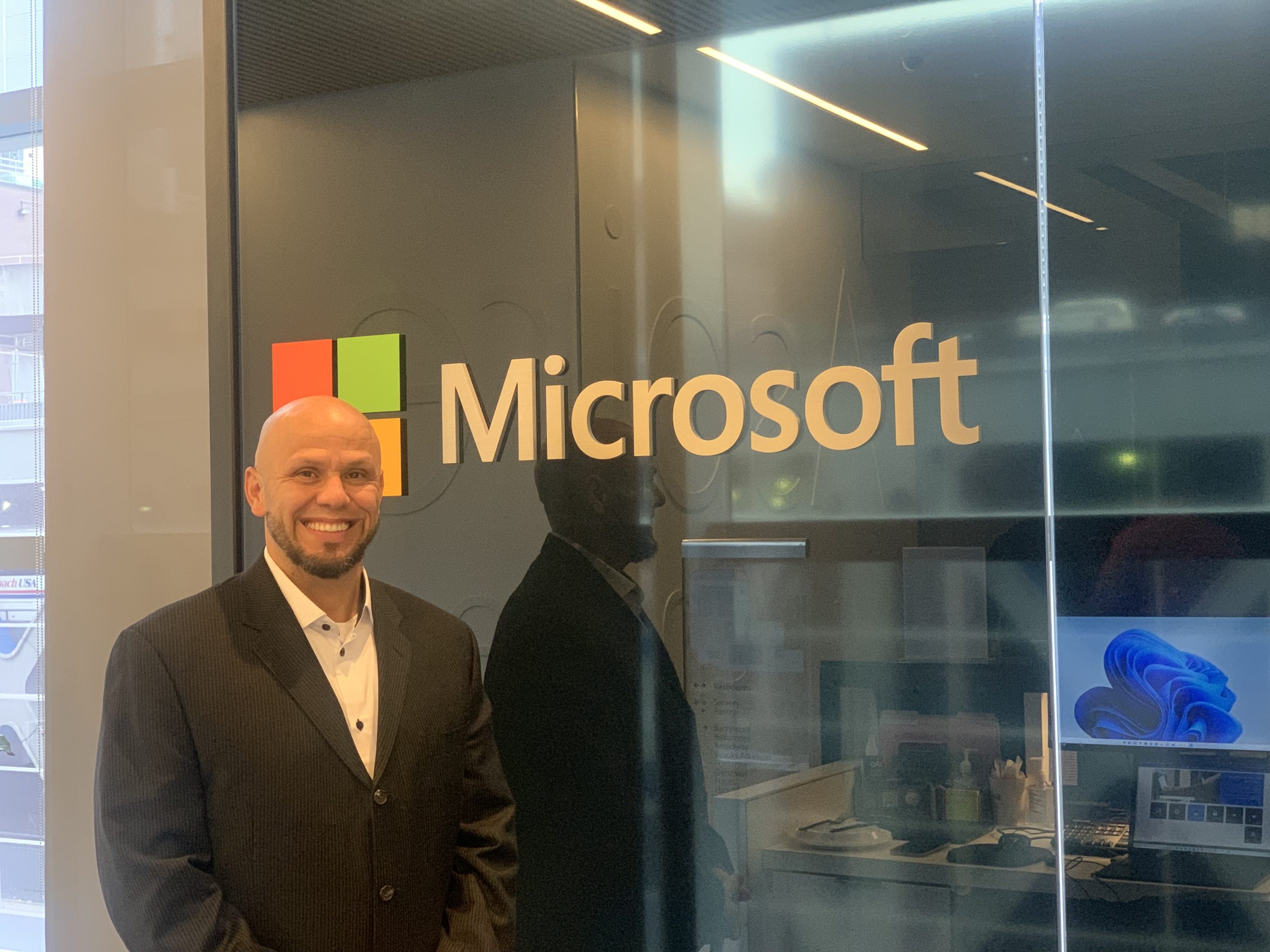
European Business Magazine (EBM) interviews Alvaro Vitta (AV) who is at the helm of Microsoft’s Worldwide CyberSecurity Lead for Public Sector.
Could you elaborate on Microsoft’s mission in the cybersecurity landscape and how it aligns with the evolving threats in today’s digital world?
AV-When it comes to working with Public Sector, Microsoft’s mission in the cybersecurity landscape is to empower every person and every government on the planet to achieve more securely. With the growing reliance of nations on their digital eco-systems to provide resident and citizen services, the cyber domain has become as crucial to national security as the traditional domains – land, air, sea, and space.
Join The European Business Briefing
New subscribers this quarter are entered into a draw to win a Rolex Submariner. Join 40,000+ founders, investors and executives who read EBM every day.
Subscribe
Unfortunately, today we see an aston-ishing 150% increase in cyberattackson governments. In fact, 53% of allcyberattacks are focused on gov-ernment agencies and critical infrastructure. Moreover, cyber offensiveadversaries have started to monetizeand weaponize AI-enabled tools withan 85% rise in cyberattacks attributedto nefarious actors using AI-based technologies. All this in a world where we anticipate 3.5 million cybersecurity jobs to go unfilled through 2025.Governments need guidance and support on this uneven playing field and Microsoft is well positioned to partner with them in this ongoing battle.
EBM -As the Global Cybersecurity Leadfor Public Sector, what are the primary responsibilities of your role, and how do you navigate thecomplexities of cybersecurity ona global scale?
AV-My job is to partner with Public Sector organizations globally to assistthem in crafting modern cybersecurity strategies that address theirshort and long-term challenges andprovide them with actionable insightsto defend their digital ecosystem.
We leveraged our unique global cybersecurity vantage point, our interaction with our global security partners andby listening to the real world andunique needs from our public sectorcustomers to shape our perspective.Using this unique global perspective, we then identify trends, gaps and pat-terns that inform the prioritized focusareas that in turn gets translated intofunctional use cases that our Microsoft security engineering team in collaboration with our security partnerscan then incorporate into our platforms to keep their digital environments safe.
EBM-In your opinion, what are the keycybersecurity trends shaping theindustry, and how is Microsoftadapting to address these trends?
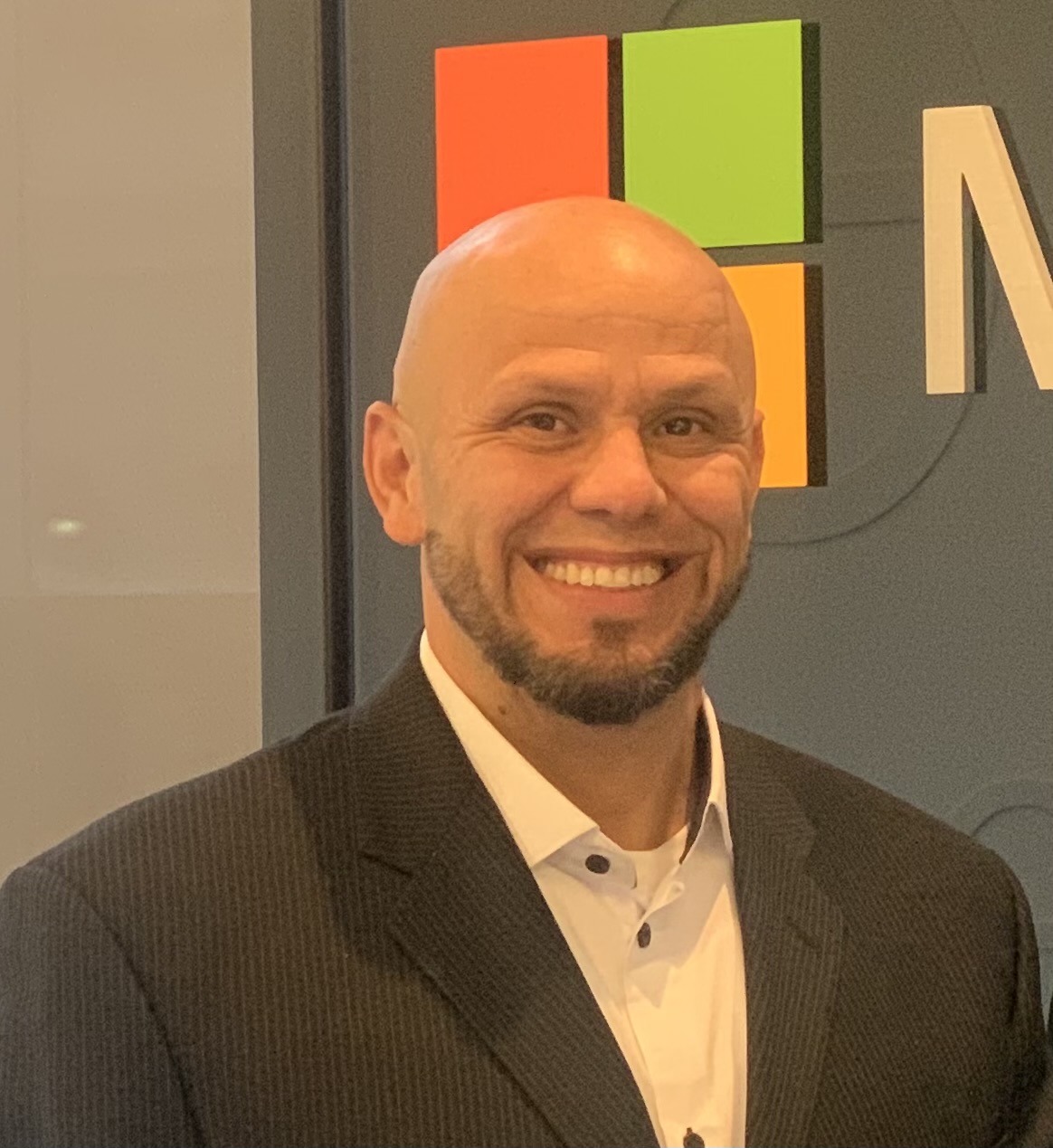 AV-We are seeing several recent trends that change the way we must approach cybersecurity:Geo-political tensions are adding to the volume and sophistication of cyber attacks aimed at public sector organizations and critical infrastructure entities. The proliferation of AI-cyber tools for malicious use is dramatically tilting the advantage to attackers. Cyber talent shortage makes it difficult for governments to attract and retain skilled cybersecurity professionals due to high demand and low supply coupled with com- petition from private sector. Increased pace of technologi- cal advancement cybersecurity strategies and defenses can quickly become obsolete and cyber defenses must be continuously updated.
To address the challenges that result from these trends, Microsoft is partnering with Public Sector entities to guide them through a cyber security modernization journey that helps them update their security operations processes and modernize their cybersecurity defense capabilities to respond to these new threats from hostile nationstate actors. In addition, Microsoft has developed the first GenAI Cyber Defense tool that will shift the advantage to public sector defenders.
EBM-Could you shed light on Microsoft’s approach to cybersecu-rity partnerships and collaborations with other organizations, both within and outside the tech industry?
 AV-We are firm believers that Cybersecurity is a team sport and requires engaging in proactive and collaborative efforts with a cross industry ecosystem that includes governments, industry partners, civic leaders, and academic institutions, to share threat intelligence, promote best practices, and advocate for cybersecurity policies and standards, and of course provide cybersecurity thought leadership and training. We believe that by working together, we can make the digital world a safer place for everyone.
With the increasing frequency and sophistication of cyberattacks, what strategies does Microsoft employ to enhance resilience and response capabilities? Last November, we launched the Secure Future Initiative (SFI) to prepare for the increasing scale and high stakes of cyberattacks. SFI brings together every part of Microsoft to advance cybersecurity protection across our company and products. Since then, the threat landscape has continued to rapidly evolve, and we have learned a lot.
The recent findings by the Department of Homeland Security’s Cyber Safety Review Board (CSRB) regarding the Storm-0558 cyberattack from last July, and the Midnight Blizzard attack we reported in January, underscore the severity of the threats facing our company and our customers. Microsoft plays a central role in the world’s digital ecosystem, and this comes with a critical responsibility to earn and maintain trust. We must and will do more. We are making security our top priority at Microsoft, above all else over all other features. We’re expanding the scope of SFI, integrating the recent recommendations from the CSRB as well as our learnings from Midnight Blizzard to ensure that our cybersecurity approach remains robust and adaptive to the evolving threat landscape.
We will mobilize the expanded SFI pillars and goals across Microsoft and this will be a dimension in our hiring decisions. In addition, we will instill accountability by basing part of the compensation of the company’s Senior Leadership Team on our pro- gress in meeting our security plans and milestones. Below are details to demonstrate the seriousness of our work and commitment.
EBM-How does Microsoft perceive its role at the core of the cybersecurity crisis, and what initiatives or innovations is the company undertaking to mitigate cybersecurity risks for its customers and partners globally?
AV-We at Microsoft see ourselves as an active and key participant in an ecosystem of cyber defenders whose priority is to protect the digital ecosystem from those who seek to misuse it. To fully answer this question, I think it’s appropriate to use two quotes from our Security leaders. “We believe Microsoft independently and through close partnerships with others in private industry, government and civil society has a responsibility to protect the digital systems that underpin the social fabric of our society and promote safe, secure computing environments for every person, wherever they are located “ Tom Burt.
Corporate Vice President, Customer Security & Trust Microsoft runs on trust and this trust must be earned and maintained. As a global provider of software, infrastructure, and cloud services, we feel a deep responsibility to do our part to keep the world safe and secure. Our promise is to continually improve and adapt to the evolving needs of cybersecurity. This is job number one for us. Charlie Bell, Executive Vice President, Microsoft Security Last November, we launched the Secure Future Initiative (SFI) to prepare for the increasing scale and high stakes of cyberattacks. SFI brings together every part of Microsoft to advance cybersecurity pro- tection across our company and products.