





























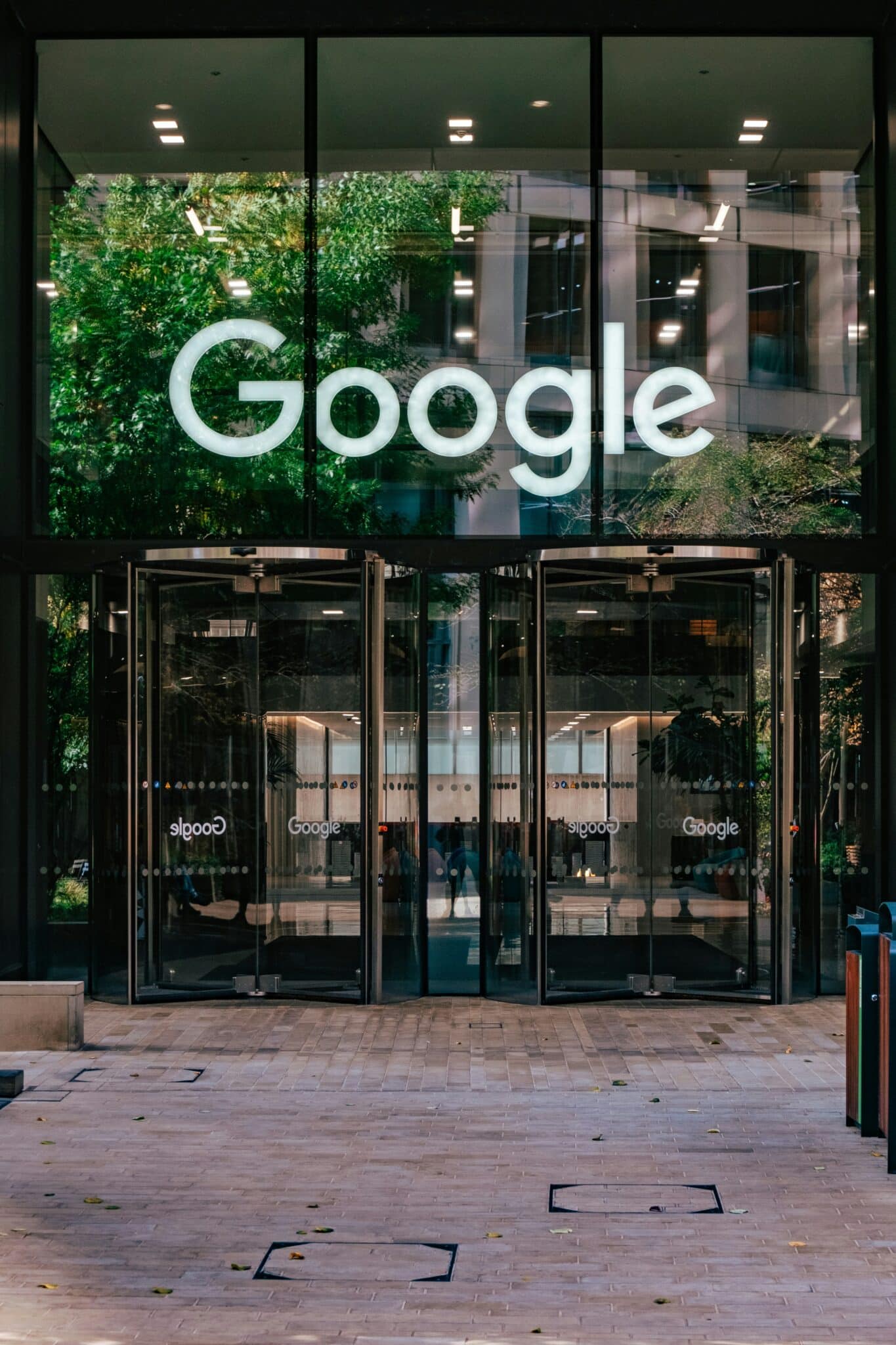
London, 29 October 2026 — EBM Newsdesk Analysis — By Brad Adams
The AI rally has hit its first big wall. Shares in Alphabet, Google’s parent company, fell about 10% after it revealed it spent $51.4bn on capital expenditure in the third quarter, more than double the $24bn of a year earlier. That spending pushed its free cash flow to minus $9.1bn, deeper in the red than the minus $5.9bn of the previous quarter, according to Fortune.
Worse still for investors, Alphabet held its spending plans for 2026 unchanged and signalled a significant increase in 2027, CNBC reported.
Strong Growth, Wrong Question
Join The European Business Briefing
New subscribers this quarter are entered into a draw to win a Rolex Submariner. Join 40,000+ founders, investors and executives who read EBM every day.
SubscribeOn most measures, the business is thriving. Revenue rose 25% to $127.6bn, only slightly below forecasts of $127.9bn. Operating income climbed 30% to $40.6bn. Google Cloud, the division selling AI computing to other companies, delivered $30.7bn of revenue with a profit margin above 36%.
“Cloud significantly accelerated with revenues growing 48%, now on an annual run rate of over $70 billion,” chief executive Sundar Pichai said.
But investors are no longer asking whether AI demand is real. They are asking whether it can pay for itself. Earnings per share fell to $2.12 from $2.87, partly because of an $8.7bn paper loss on equity investments, and adjusted earnings still missed expectations.
Burning Cash to Stay Ahead
The shift is stark. For years, Google was one of the most reliable cash machines in corporate history, generating tens of billions of dollars a year from search advertising. Now it is spending faster than it earns. In June it raised $84.8bn in new equity, including $10bn from Warren Buffett’s Berkshire Hathaway, to fund its AI build-out.
Alphabet is not alone. Meta is committing up to $145bn this year and is selling $35bn of shares to help pay for it. Amazon has resorted to selling its AI chips and renting them back. The arms race is forcing even the richest companies on earth to raise outside money.
Microsoft Shows the Contrast
The market’s verdict was sharper because Microsoft reported on the same evening and was rewarded. Its Azure cloud business also grew 48%, but it spent less, $39.4bn in cash capital expenditure, and stayed firmly cash-positive, with $18.6bn of free cash flow. Microsoft is also cutting costs hard, offering buyouts to a quarter of its staff this week.
The lesson is that investors still back AI, but only from companies that can fund it without bleeding cash.
A Rally Built on Hope
Alphabet’s slide comes just days after chip stocks led a global rebound on renewed optimism about AI. It is a reminder of how fragile that optimism is. ECB economists have warned that the AI-fuelled stock boom is heading for a correction, and with US borrowing costs near 5%, money spent on data centres is getting more expensive by the month.
What I Think
Alphabet’s results expose the central tension of the AI boom: the demand is real, but so is the bill. Google Cloud is growing brilliantly, yet the company is spending $51bn a quarter and burning cash to keep up, with even more to come in 2027. Investors have tolerated that so far because they believed the returns were coming. They are now drawing a line between companies that can fund AI from profits, like Microsoft, and those that need outside money to keep going. For Alphabet, the next few quarters must show that the spending is turning into profit, not just revenue. Until it does, expect the shares to stay volatile, and expect investors to judge every Big Tech result on cash flow first.
Related Analysis