






























London, 17 October 2026 — EBM Weekend Read — By Brad Adams
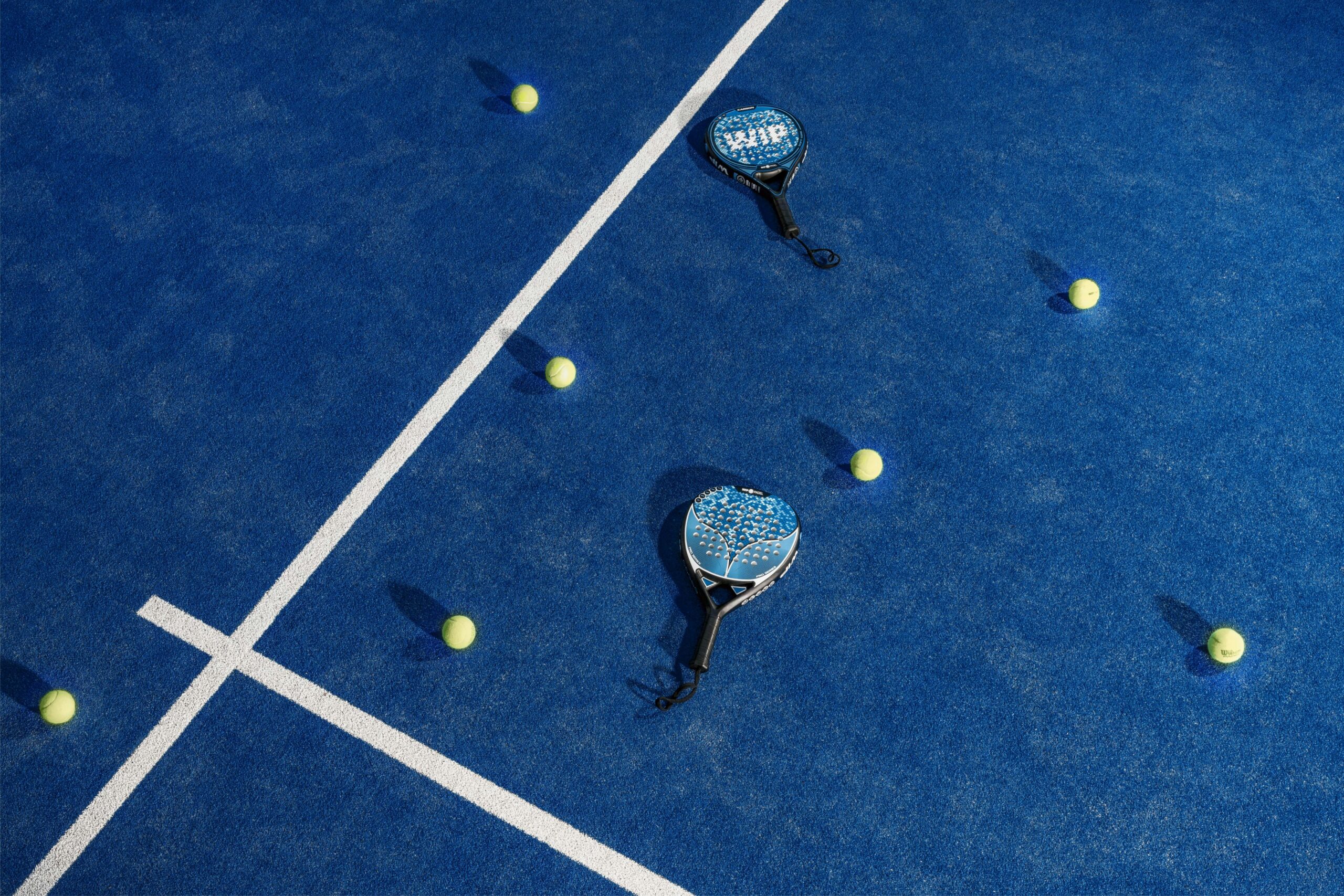
In 2019, Britain had fewer than 70 padel courts and about 15,000 people who played the game. By May this year, the Lawn Tennis Association counted 1,825 courts across 551 venues and more than a million players. Few sports have ever grown that fast, and money has followed. Footballers, tennis stars, a Qatari sovereign fund and Mike Ashley’s Frasers Group have all bought in.
Padel is a doubles racket sport played on a court roughly a third the size of a tennis court, enclosed by glass walls that keep the ball in play. It is easy to learn, sociable and quick. That combination has turned it from a Spanish holiday pastime into what bankers now call an asset class. Like pickleball in America, it has become a way for people with spare capital to buy into a lifestyle.
Why the Money Loves It
Join The European Business Briefing
New subscribers this quarter are entered into a draw to win a Rolex Submariner. Join 40,000+ founders, investors and executives who read EBM every day.
SubscribeThat makes padel look less like a sport and more like property with a membership business attached. It is the same instinct that drives the boom in exclusive social spaces, and the same tension we found in the business behind Soho House: the brand sells community, but the profits depend on rent, utilisation and debt.
Globally, the sport is still expanding. The World Padel Report counted 58,334 courts at the end of 2025, after nearly 7,900 were added in a single year, up 16%. Spain and Italy are mature markets. Britain, Germany and Ireland are where demand is outrunning supply.
Who Is Buying In
The famous names came first. Andy Murray backed Game4Padel, which set out to build hundreds of courts across Britain. In Sweden, Zlatan Ibrahimović co-owns the Padel Zenter chain, and a long list of ice hockey and football stars put money into halls of their own.
Then the serious money arrived. In 2023 Qatar Sports Investments, the owner of Paris Saint-Germain, bought the World Padel Tour and folded it into a single professional circuit, Premier Padel. Chairman Nasser Al-Khelaifi called it a “historic moment”. It was part of a familiar pattern: Gulf money quietly buying into European sport and lifestyle. The Middle East is now a market of its own, with more than 1,000 courts in Saudi Arabia and over 800 in the UAE.
In Britain, the builders are multiplying. Frasers Group is backing Slazenger Padel Clubs. David Lloyd, Rocket Padel and The Padel Club are expanding nationally, while smaller operators are raising money too: Smash Padel raised £1.25m to grow from five clubs to twenty. Even the state is involved. The LTA has helped fund more than £18m of investment in 112 courts, and the government has committed at least £2.5m for new indoor courts in 2026–27.
The Swedish Warning
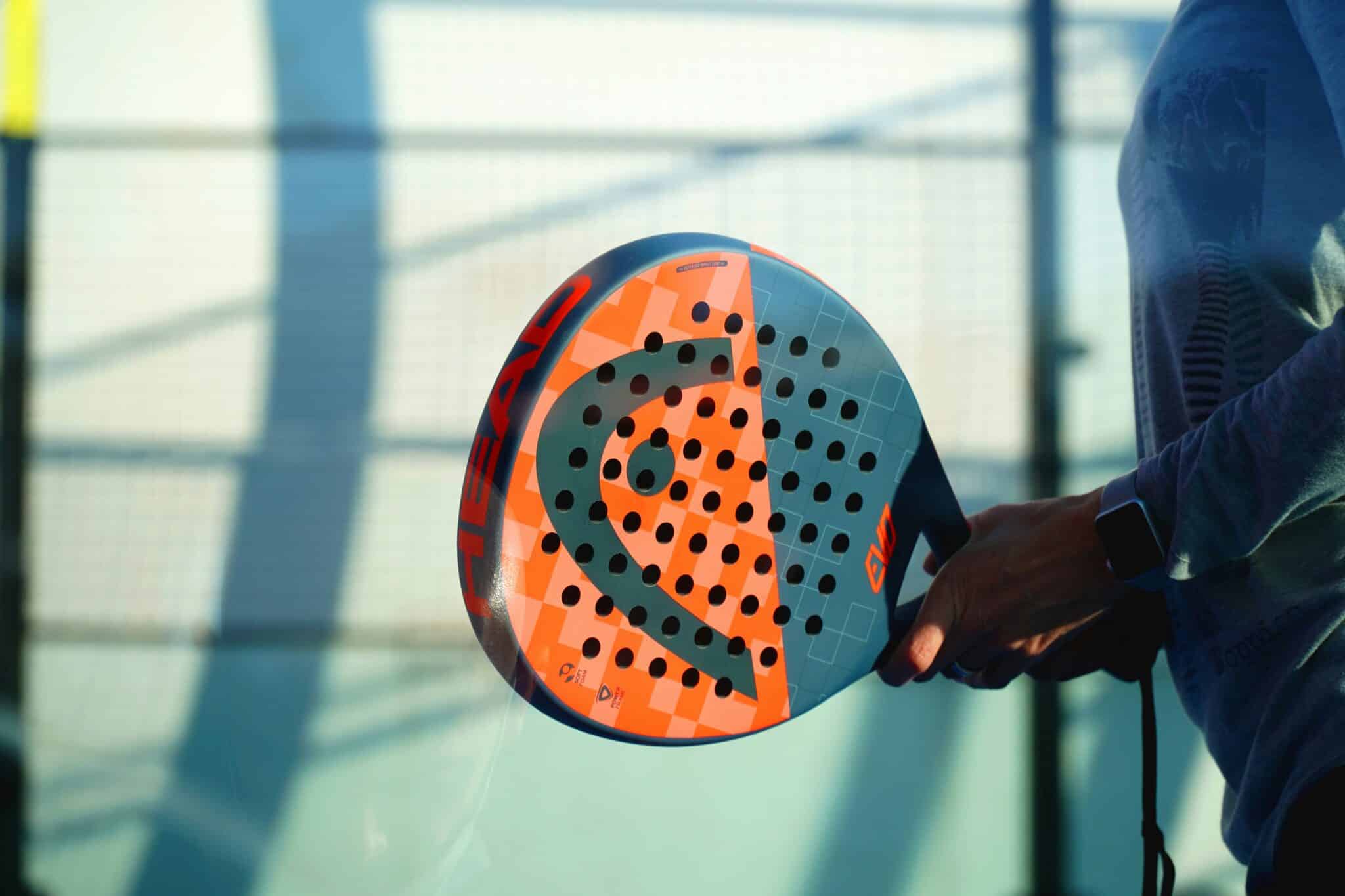
What went wrong was not the sport. More than 600,000 Swedes were still playing in 2024. The problem was supply. Too many clubs opened too close together, often in cheap industrial sheds funded with borrowed money. When electricity prices soared in the winter of 2022, the costs of heating and lighting those sheds wiped out their margins. Bloomberg warned that Sweden held a lesson for the whole $4bn padel craze.
Is Britain Next?
Britain looks healthier for now. Its courts are still busy, pricing is firm and the LTA’s backing gives the sport an institutional base Sweden never had. But the ingredients of a bust are familiar: rapid building, lots of debt, rising energy costs and a game that is easy to copy. Courts went from 1,553 at the end of 2025 to 1,825 by May, an increase of about 17% in five months.
Rising interest rates add a fresh risk. The global bond sell-off has made borrowing dearer for every leveraged business, and padel clubs built on debt will feel it. The operators who survive will be those with good locations, strong coaching and community programmes, and enough members to fill courts on a wet Tuesday afternoon, not just on a Saturday morning.
The investment case looks familiar to anyone who has followed Americans flipping football clubs or tennis stars like Carlos Alcaraz building business empires. Fame and fashion bring in the money. Only operating discipline keeps it.
My Read
Padel is not a fad. People who try it keep playing, and it fills a gap between the gym and the golf course. But a growing sport is not the same thing as a profitable club.
The big winners so far are the people selling the shovels: court builders, racket makers, booking apps and the landlords of empty warehouses. The club owners are the ones taking the risk. If Britain keeps building at this pace, I expect a Swedish-style shakeout within three years, followed by a smaller, stronger industry run by the operators who treated it as a business rather than a status symbol.
Related Analysis






