































WEEKEND READ:
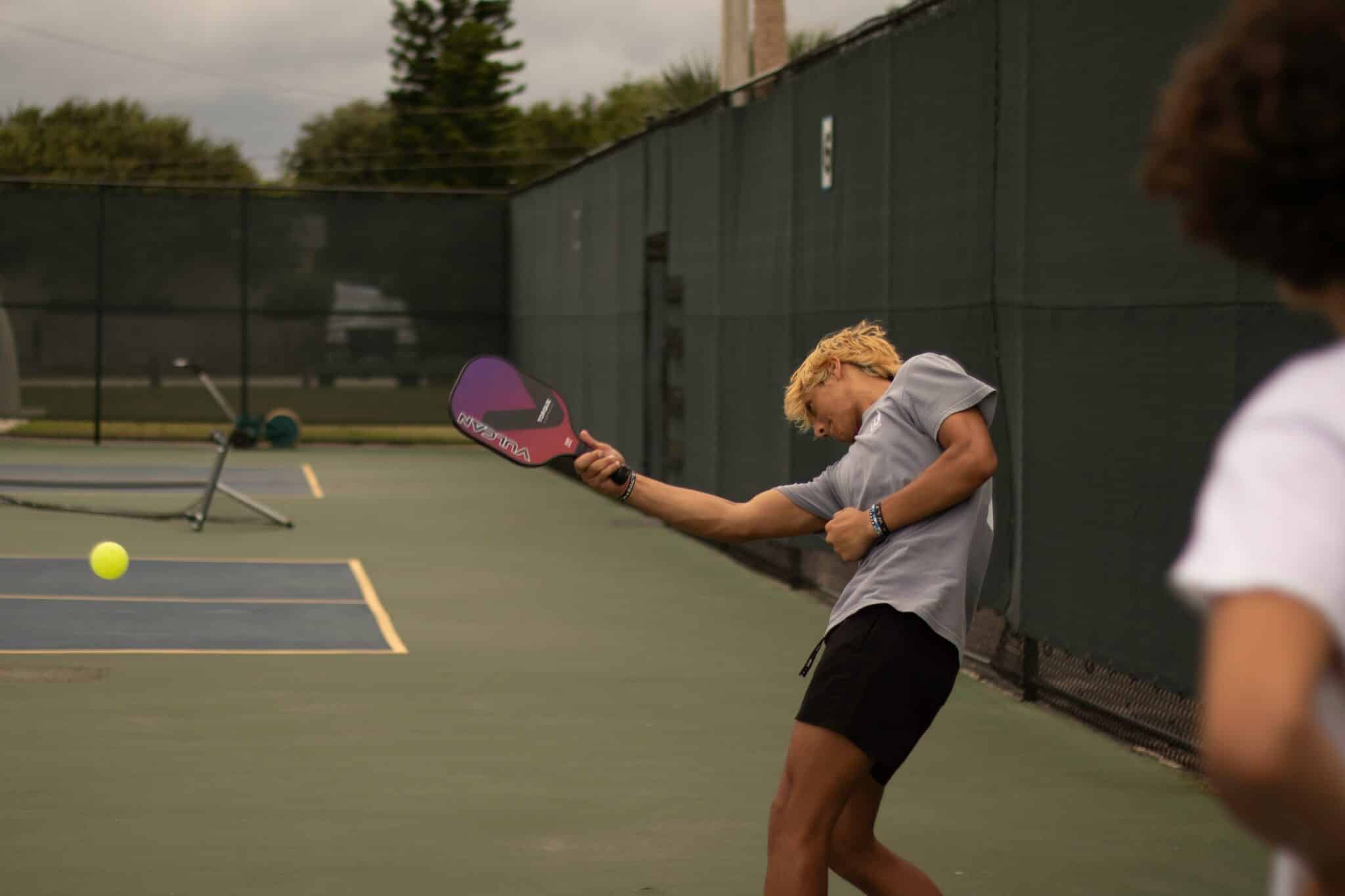
MAY 24rth London-There is a sound now common to American suburbs that did not exist a decade ago: the flat, percussive pop of a perforated plastic ball against a solid paddle. It is the sound of pickleball — a game invented on a Washington island in 1965, named, by most accounts, after a family dog — and it has become the most unlikely investment story in sport. In May 2026, the private-equity giant Apollo led a $225 million investment into the business of pickleball, valuing the newly merged entity at around $800 million. A retirees’ pastime is now a Wall Street asset.
From church halls to a gold rush
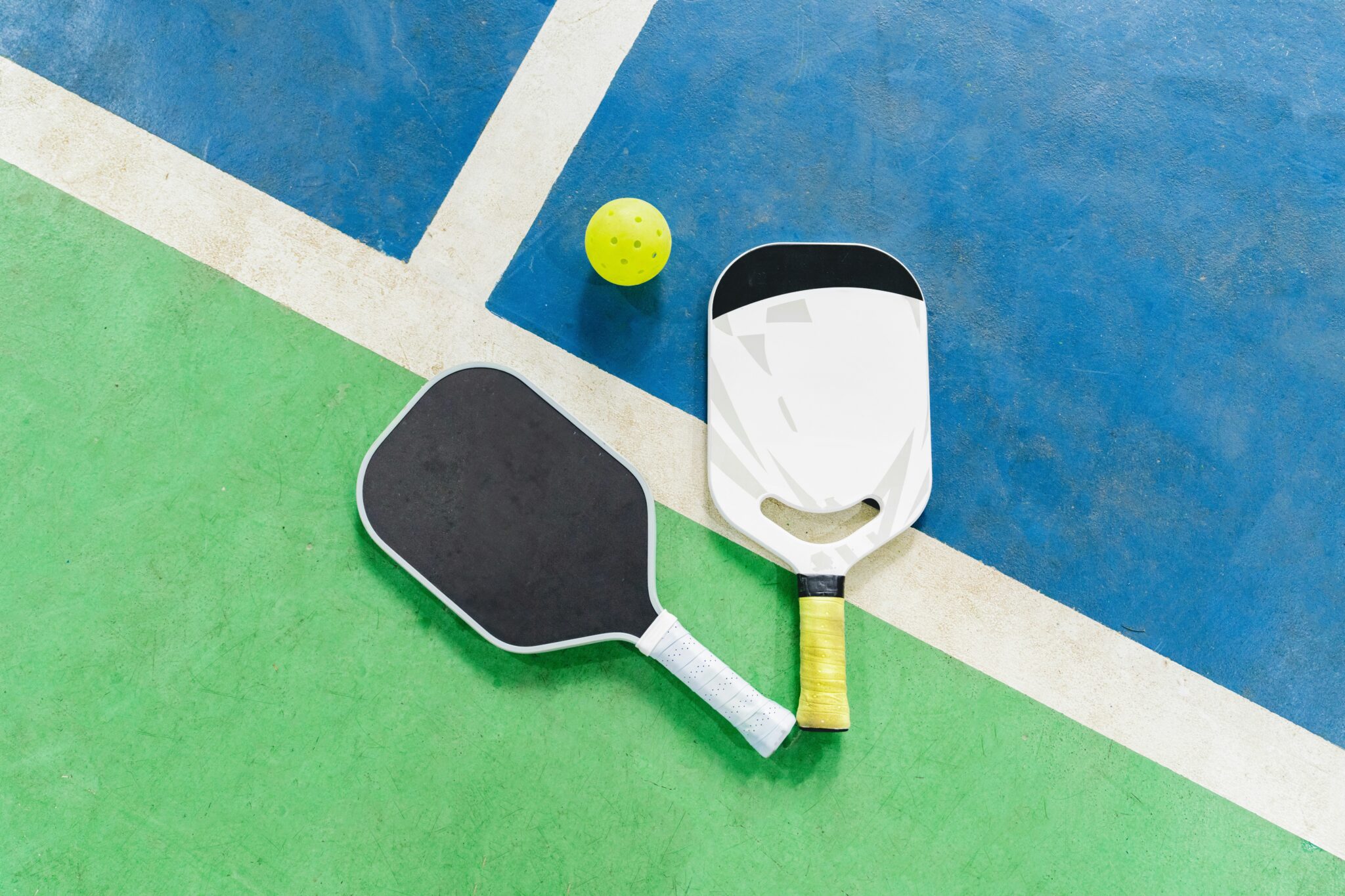
The growth that drew Apollo is genuinely staggering. Pickleball has been named America’s fastest-growing sport for five years running, reaching roughly 24 million US players in 2025 — up more than 170% over three years — and now ranks as the fourth-most-played sport in the country. That is not a fad curve. That is a structural shift in how Americans move, socialise and spend.
Join The European Business Briefing
New subscribers this quarter are entered into a draw to win a Rolex Submariner. Join 40,000+ founders, investors and executives who read EBM every day.
SubscribeWhat makes it investable is that the participation explosion created businesses at every layer. There is professional competition, equipment manufacturing, court construction, media rights, ratings systems and a land grab in physical venues. The appeal to investors is partly arithmetic: you can fit three pickleball courts in the footprint of a single tennis court, and the surfaces are cheap. For an asset owner sitting on underused space, pickleball is one of the highest-yielding things you can install.
The real estate play hiding in plain sight
The logic is brutally efficient. Retail vacancy left by the collapse of bricks-and-mortar shopping created a glut of cheap, large-footprint space exactly when a sport needing cheap, large-footprint space exploded. Pickleball became the tenant for the post-retail age, much as trampoline parks and climbing gyms were before it. For European leisure operators and asset owners watching their own high streets hollow out, the model is worth studying: a low-cost, high-churn participation sport can turn a distressed retail liability into a yielding leisure asset almost overnight.
The tour wars and the truce
For a while, the business nearly ate itself. Throughout 2023, the sport’s two leading professional bodies — Major League Pickleball and the Professional Pickleball Association — fought a destructive turf battle the industry calls the “tour wars,” reportedly paying out more than 100% of revenue to lock up players and outbid one another. It was the classic signature of a hype cycle: too much capital chasing too little proven revenue.
The Apollo deal is, in effect, the peace treaty. It folds both tours into a single parent, Pickleball Inc., uniting professional events, consumer goods, technology and media under one roof. The combined verticals generated over $140 million in 2025 revenue, with around $30 million of that from sponsorship. Carolina Hurricanes owner Tom Dundon and the founding Pardoe family remain the majority shareholders. The message to the market is that the speculative free-for-all is over and the consolidation phase — where money is actually made — has begun.
Why the famous names piled in

No modern sports-business story is complete without the celebrity cap table, and pickleball’s reads like an All-Star roster. LeBron James, Tom Brady, Kevin Durant, Patrick Mahomes, Draymond Green, Kevin Love and Heidi Klum have all bought teams or stakes. Their interest is not philanthropy. It is a calculated bet that the entry price into a potential “tier-one” American sport is, for now, cheap relative to the NBA or NFL franchises they cannot afford.
There is a striking data point underneath the glamour. The average pay of the women on the pro tour reached $260,000 in 2024 — higher than the established WNBA. That single figure captures both the promise and the risk: the prize money is real, but it has been front-loaded by investors betting on a future audience that has not fully arrived. The same athlete-as-investor playbook that minted fortunes in running shoes and tennis is now being run, at speed, on a paddle sport.
The European plot twist
Here is where the story turns, and where it matters for European business. Pickleball is overwhelmingly an American phenomenon. Europe, offered the same basic proposition — a cheap, social, accessible racket sport — chose a different game entirely: padel.
The contrast is stark. While America popped plastic balls, Europe built glass boxes. Padel, played in an enclosed court with walls, has become the continent’s defining racket boom. Globally there are now over 70,000 padel courts and around 30 million players. Italy passed 10,000 courts in 2025; Sweden has 4,220; France surpassed 100,000 licensed players. Spain remains the spiritual home. Crucially, the professional side has already consolidated: the World Padel Tour and Premier Padel merged into a single circuit backed by Qatar Sports Investments, running 24 tournaments across 16 countries. Padel did its tour war and its truce years before pickleball.
Britain, the contested frontier
The United Kingdom is the one market where both games are fighting for the same converts — and the scoreboard is instructive. Padel is winning decisively on infrastructure. UK padel participation more than doubled in 2025 to 860,000 players, with court numbers leaping to over 1,550 across 559 venues. Pickleball England, by contrast, passed 16,000 registered members — healthy growth, but an order of magnitude smaller, and still reliant on community halls rather than purpose-built courts.
The divergence comes down to economics and culture. Padel is more expensive to build but delivers a more thrilling, spectator-friendly game and a premium, club-based business model that European leisure operators understand. Pickleball is cheaper and more accessible but carries a faint whiff of the parish hall. In a European leisure market chasing aspirational, monetisable experiences, padel’s pricier proposition has, so far, proved the better business.
Two bets, one question
What we are watching, then, is a genuine transatlantic experiment in consumer behaviour. The same underlying demand — for a sociable, low-barrier racket sport to replace the gym and the bar — has produced two different billion-dollar industries on two continents, each convinced it has backed the right horse. The American smart money, led by Apollo, is betting pickleball becomes a permanent tier-one sport. The European smart money, led by Qatar, is betting on padel.
Both cannot be fully right everywhere, and the interesting risk sits at the edges. Nearly a third of US pickleball venues now also install padel courts, hedging their bets — a quiet admission that nobody is certain which game endures. For now, the lesson for any operator or investor is the one the Apollo cheque underlines: the fastest fortunes are not made inventing the game, but in owning the courts, the leagues and the data once everyone else is hooked. The ball is cheap. The business behind it is anything but.
✍️ Nick Staunton
Related Analysis