





























London, 7 October 2026 — EBM Newsdesk Analysis — By Nick Staunton
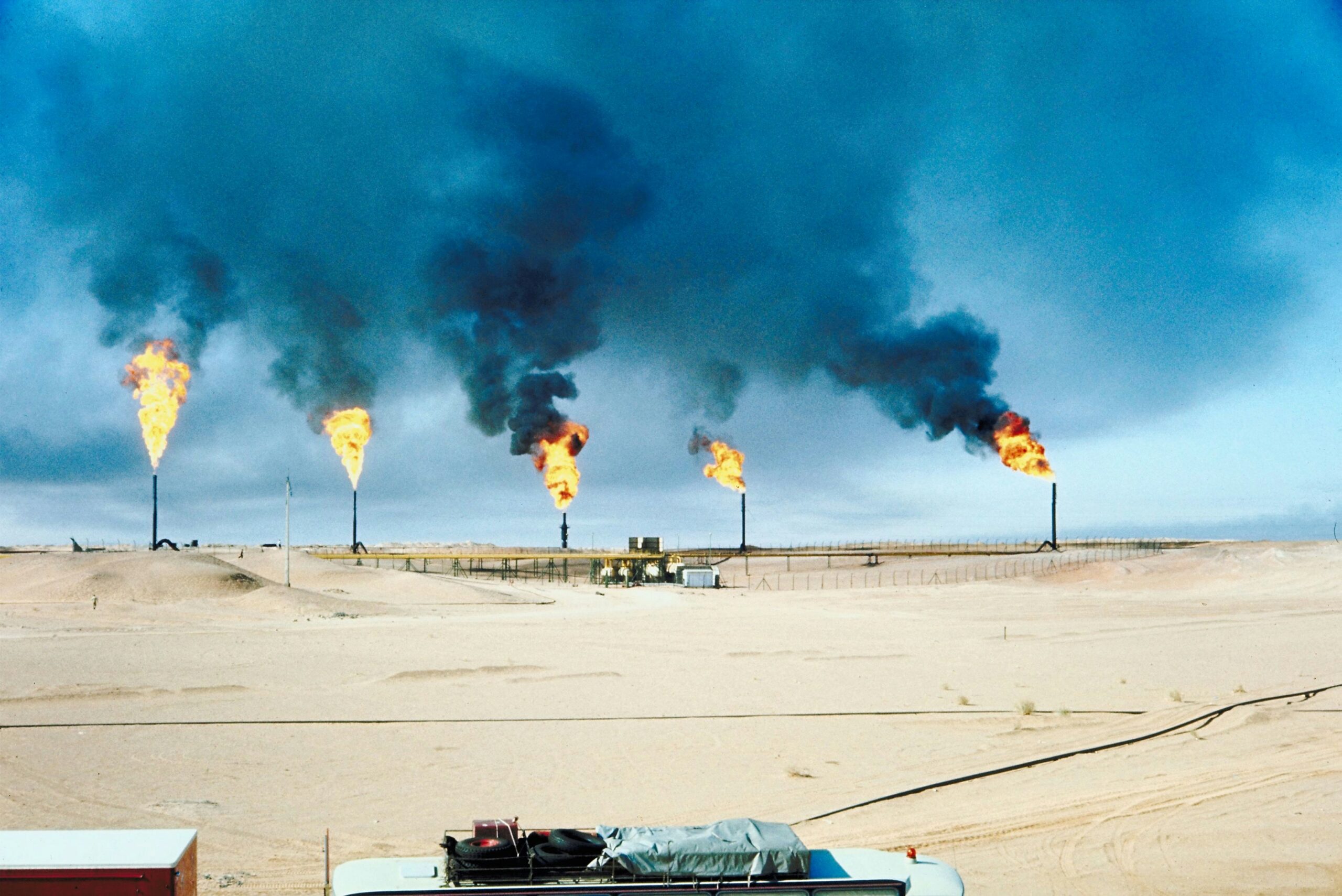
Shell’s refining margins rose from $24 to $42 a barrel in the third quarter, the company said this morning, because diesel is in very short supply across Europe. It also raised its forecast for gas output to between 740,000 and 780,000 barrels of oil equivalent a day, well above the 631,000 it produced in the second quarter. Shell’s shares rose in early trading while the FTSE 100 as a whole fell. Brent was back above $101 after Houthi attacks on southern Saudi Arabia, one day after the Strait of Hormuz had briefly looked a little safer.
The same energy shock is helping oil companies and hurting borrowers. Shell earns more on every barrel it refines. British homeowners face higher mortgage costs, and the Bank of England may have to raise interest rates to bring inflation down.
The Relief Didn’t Last
Markets had cheered when oil prices dipped, but the optimism has faded. Saudi-backed forces took back control of the Bab el-Mandeb Strait at the start of the week, only for the Houthis to strike targets inside Saudi Arabia. The UK Maritime Trade Operations service, run by the Royal Navy, has reported several attacks on ships around Hormuz this week. More tankers are getting through, but the route is still dangerous.
Join The European Business Briefing
New subscribers this quarter are entered into a draw to win a Rolex Submariner. Join 40,000+ founders, investors and executives who read EBM every day.
SubscribeShipping now costs more. Insurance premiums are much higher, ships are waiting longer and taking longer routes, and fuel is more expensive. Freight companies will pass some of those costs on to customers. With global oil stocks already low, there is little spare supply to cushion the next disruption.
Shell’s Timing
Shell is in the right place for this. Attacks on energy infrastructure in the Middle East and Russia have cut fuel supplies, and diesel prices at the pump are very high as a result. Its purchase of ARC Resources has added production just as demand peaked. A refining margin of $42 a barrel is the kind of profit European governments will notice, especially those already looking for money, so a windfall tax is likely to come up again soon.
Central Banks Start Raising Rates
The Reserve Bank of India raised interest rates this week for the first time since February 2023, by a quarter point to 5.5%. India imports most of its energy, and its companies can no longer absorb the higher costs, so they are passing them on to customers. Investors expect other central banks to do the same, after the Federal Reserve’s first rise in three years.
In Britain, markets put the chance of a quarter-point rise by the Bank of England in November at more than 90%, and expect three more in 2027. Cheaper mortgage deals have already been withdrawn. Lloyds says house prices were flat in September after their first annual fall since 2023 in August, and were down 0.2% over the quarter. Buyers are wary of taking on larger loans while energy bills rise and food prices may follow.
There is some good news. Lloyds says new mortgage enquiries are coming in at their fastest pace since February. Higher rates are making buyers more cautious, but they haven’t stopped them buying.
France Has the Same Problem, Only Worse
Across the Channel, the same squeeze is turning into a political problem. French borrowing costs have reached levels last seen in the early 2000s, and the gap with Germany is the widest since the euro crisis. Student protests over education spending have turned violent. Marine Le Pen has promised €140bn of spending cuts by 2032 if her National Rally party wins power, and bond yields eased slightly when she said it. Making cuts that size would be very hard when people are already protesting against spending pressures. This is how an energy shock becomes a political crisis.
The Call
Wall Street is calm, held up by heavy spending on AI, but Europe is feeling the effect of high energy prices. Oil companies are earning record margins, governments are paying more to borrow, and households are facing higher interest rates. Shell’s results show that the war has made some companies a lot richer, while the cost has fallen on everyone else. Expect the Bank of England to raise rates in November and Westminster to start talking about a windfall tax before Christmas.
Related Analysis






