































Wellness has evolved from a relatively narrow market centred on gyms, vitamins and diet products into a sprawling consumer economy. Fitness technology, functional foods, supplements, personalised nutrition, sleep products and digital health services increasingly compete for the same consumer spending.
One particularly visible change is the growing commercial interest in body composition. Consumers are not necessarily focused exclusively on losing weight. Maintaining muscle, reducing body fat, improving fitness and developing sustainable routines are increasingly being considered together.
For businesses operating in the wellness sector, this creates opportunities but also raises expectations. Consumers have access to more products and information than ever before, meaning brands increasingly need to compete on transparency, convenience, credibility and the overall experience they provide.
Join The European Business Briefing
New subscribers this quarter are entered into a draw to win a Rolex Submariner. Join 40,000+ founders, investors and executives who read EBM every day.
Subscribe
Wellness Is Becoming a Larger Part of Consumer Spending
Health-related purchases are increasingly being incorporated into everyday lifestyle spending rather than reserved for moments when something goes wrong. Gym memberships, fitness apps, wearable devices, healthier foods and nutritional supplements can all become recurring expenses.
European Business Magazine’s coverage of rising demand for health and wellness illustrates the commercial significance of this shift. AS Watson reported growth of more than 10% in vitamins and dietary supplements and more than 20% in its diet and fitness category over the preceding 12 months, while sales of weight-management products and services increased substantially.
These figures come from one retailer rather than the entire global market, but they demonstrate why major businesses are paying close attention to wellness spending.
Part of the change appears to be cultural. Consumers increasingly view physical wellbeing as something to manage proactively. That creates demand not only for products but also for information, services and technology designed around personal health objectives.
Body Composition Is Replacing the Simple Weight-Loss Conversation
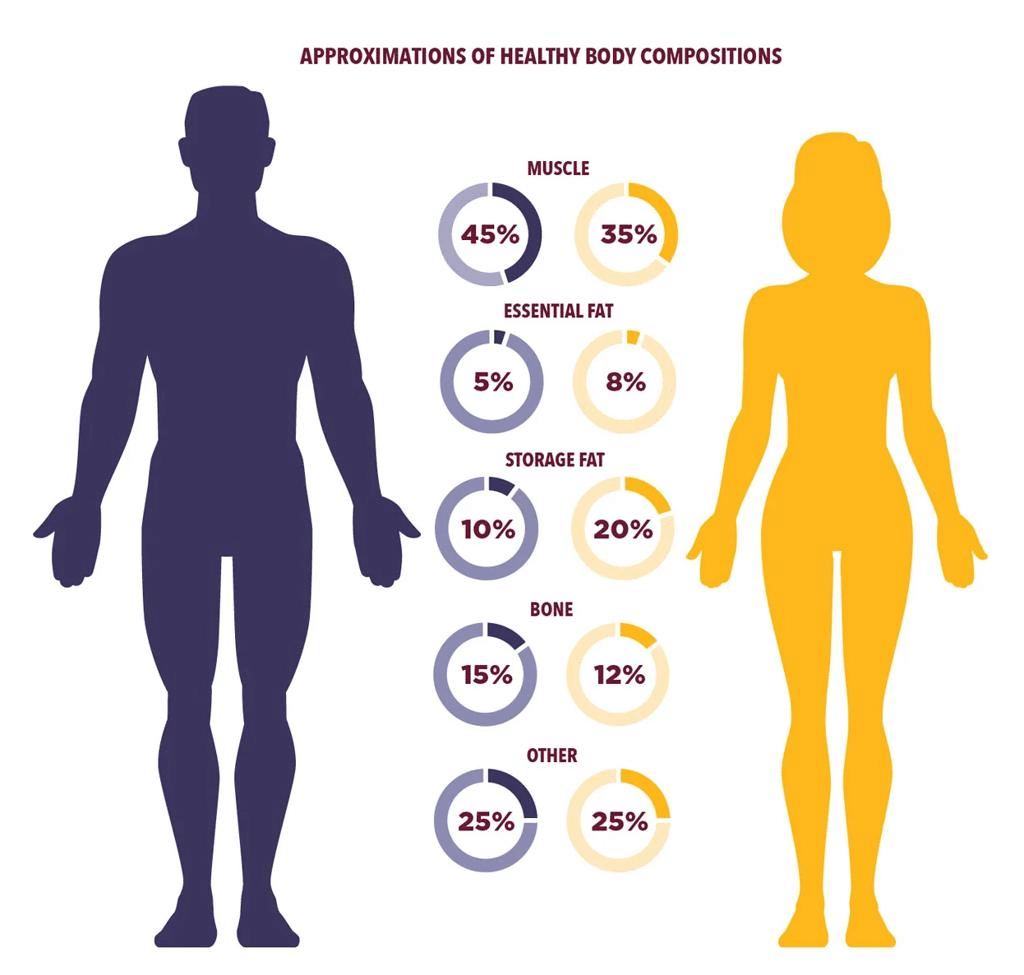
For decades, much of the commercial diet industry concentrated on one easily understood metric: body weight. Today’s fitness culture has made the conversation more nuanced.
Two people at the same body weight can have very different levels of muscle and body fat. This has encouraged greater consumer interest in body composition, particularly among people who combine resistance training with nutrition and other lifestyle changes.
The commercial implications are significant. A consumer pursuing a broader body-composition goal might spend across several categories rather than purchasing a single traditional diet product. Gym access, protein products, fitness trackers, coaching, sportswear, meal services and supplements can all become part of the same lifestyle.
That does not mean every product marketed for body composition is necessary or supported by equally strong evidence. It does mean the customer’s objective has expanded, creating a much larger ecosystem for businesses to address.
Supplement Brands Are Competing for More Sophisticated Consumers
As the wellness market expands, supplements have become increasingly specialized. Shelves that once consisted largely of multivitamins and basic sports nutrition products now contain formulations marketed around energy, recovery, sleep, performance and body-composition goals.
Products such as sealions fat metaboliser sit within this wider commercial environment, where consumers can compare formulations, ingredients, prices and reviews before deciding whether a supplement belongs in their routine.
That access to information creates both an opportunity and a challenge for brands. Attractive packaging and ambitious marketing claims may generate initial attention, but increasingly informed customers may also investigate what a product contains and what evidence exists for its ingredients.
For businesses, long-term differentiation may therefore depend increasingly on trust. Clear labelling, realistic communication and responsible claims can become commercial advantages in a market where consumers can quickly research alternatives.
Supplements should also remain supplements. Products marketed around metabolism or body composition cannot substitute for an appropriate diet, physical activity and other fundamental health behaviours, and individual suitability can vary.
Digital Commerce Has Changed How Wellness Products Are Discovered

The wellness boom would look very different without digital commerce.
Consumers no longer have to discover products through a gym, pharmacy or specialist retailer. Search engines, social media, influencers, online marketplaces and direct-to-consumer brands have dramatically expanded the number of products an individual can encounter.
European Business Magazine has explored how technology is changing the wellness industry, including the way online retail gives consumers easier access to nutritional supplements and makes comparing products and prices considerably simpler.
This accessibility has helped smaller wellness brands compete with established companies. A business no longer necessarily needs an extensive physical retail network before reaching consumers across multiple markets.
At the same time, digital distribution creates intense competition. When dozens of similar products are only a search away, price, branding, reviews, customer experience and perceived credibility all become part of the purchasing decision.
Personalisation Could Define the Next Stage of the Market
One of the most important shifts in wellness is the movement away from universal solutions.
Consumers increasingly encounter programmes tailored around their training experience, dietary preferences, wearable data, lifestyle and individual objectives. Technology has accelerated this expectation by making personalised recommendations commonplace in industries ranging from entertainment to financial services.
Wellness companies are following the same direction. Fitness platforms can adapt workouts according to performance data, nutrition services can offer individualized plans, and wearable devices continuously generate information about activity and recovery.
The supplement industry is also exploring increasingly targeted product categories. A consumer considering sealions fat metaboliser, for instance, may see it not as a standalone solution but as one possible component within a broader fitness and nutrition routine.
The commercial opportunity lies in helping consumers navigate that increasingly complicated ecosystem. Brands capable of explaining where their products fit—and equally importantly where their limitations lie—may be better positioned than companies relying primarily on exaggerated promises.
The Next Wellness Winners May Compete on Trust
The expansion of the body-composition market represents a broader transformation in consumer wellness. People are spending across interconnected categories as fitness, nutrition, appearance, technology and preventive health increasingly overlap.
That provides considerable opportunities for supplement manufacturers, fitness companies, retailers, technology businesses and emerging wellness brands. But growth also brings greater scrutiny.
Consumers can compare ingredients, research claims and share experiences almost instantly. Businesses therefore operate in an environment where questionable promises can travel just as quickly as successful marketing campaigns.
The companies positioned for sustainable growth may consequently be those that treat consumer trust as an asset. Product quality, transparency, responsible marketing and useful education can help differentiate a brand when competitors are offering increasingly similar solutions.
Body composition may be the current focus, but the larger business story is about how consumers define wellness itself. They increasingly expect products and services to fit into personalised, connected lifestyles rather than provide isolated quick fixes. For the wellness industry, adapting to that expectation could determine which brands turn today’s surge in consumer interest into lasting businesses.