






























LONDON, 17 September 2026 — EBM Newsdesk Analysis — By Nick Roy Evans
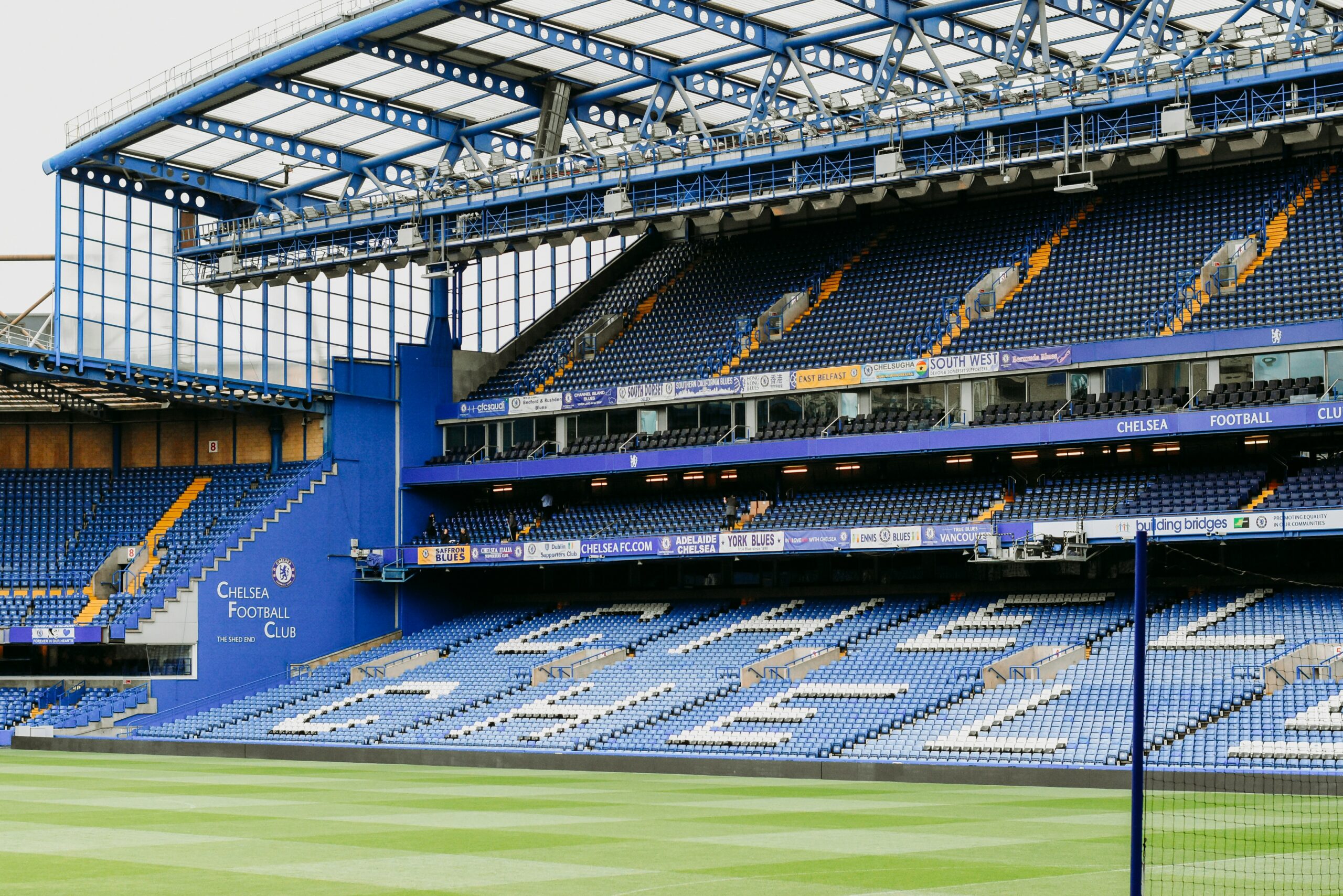
Chelsea Football Club is about to become a rather different kind of financial asset. Todd Boehly and Mark Walter have agreed to sell their combined 25 per cent stake to Clearlake Capital for £950 million, handing the US private equity group full control of the Premier League club and bringing an end to an unusual four-year ownership arrangement. The deal values Chelsea at about £5 billion including debt, according to people familiar with the transaction, and is expected to complete by the end of the year.
Boehly will also step down as chairman. Chelsea said the transaction would not change the club’s day-to-day operations, leadership or strategy, while Clearlake said it intended to continue with the strategic direction already established. On paper, therefore, this is a change in ownership rather than a revolution at Stamford Bridge. In reality, the removal of the joint-control structure matters considerably because Clearlake will now have a much clearer line of authority over one of European football’s most valuable commercial assets.
Join The European Business Briefing
New subscribers this quarter are entered into a draw to win a Rolex Submariner. Join 40,000+ founders, investors and executives who read EBM every day.
SubscribeThe arrangement dates back to 2022, when Boehly, Walter, Clearlake and Swiss billionaire Hansjörg Wyss acquired Chelsea following Roman Abramovich’s forced sale. Clearlake was the majority investor but operational control was shared with the Boehly-Walter group. That structure increasingly became a source of tension, particularly around the future of Stamford Bridge and the club’s wider property and infrastructure strategy.
The financial logic is equally revealing. Clearlake is paying £950 million for the combined 25 per cent holding, using its own capital and investments from co-founders Behdad Eghbali and José E. Feliciano rather than taking on new debt, according to people familiar with the deal. For Walter and Boehly, the transaction creates substantial liquidity at a time when both businessmen are facing pressure elsewhere across their financial and sports investment empires.
That makes Chelsea part of a much bigger story about football becoming institutional capital. EBM has previously examined private equity in European football, and the Chelsea transaction is another example of investors treating major clubs as long-term assets with global brands, valuable media rights, property portfolios and enormous commercial audiences.
But the valuation also needs context. Chelsea reported a record £262.4 million pre-tax loss for the year to June 2025, despite revenue of £490.9 million. As EBM examined in its analysis of Chelsea’s record loss, the economics of running an elite football club can look very different from the headline valuation. The club can be worth billions while simultaneously consuming enormous amounts of capital.
That contradiction is becoming central to football investment. Chelsea’s transfer strategy has created a vast portfolio of young players, while the club’s stadium and training infrastructure offer another potential source of long-term value. EBM has also looked at the economics of elite footballers, where transfer fees increasingly resemble capital allocation decisions rather than straightforward sporting expenditure.
The most interesting question now is what Clearlake does with complete control. The firm has already been involved in Chelsea for four years, so this is not a new investor arriving with an entirely different philosophy. What changes is accountability. There is now one dominant ownership structure, one strategic direction and no longer the same requirement to reconcile competing visions inside the boardroom.
For Chelsea supporters, the significance may only become clear over time. For investors, however, the transaction says something more immediate: even after enormous losses and years of internal disagreement, a Premier League club with Chelsea’s global reach remains an asset for which institutional capital is prepared to pay nearly £1 billion for a minority slice. That tells us as much about the financialisation of football as it does about Chelsea itself.
And perhaps that is the real story behind Boehly and Walter’s exit. Chelsea was once bought as a football club. It is increasingly being managed, valued and traded like a global entertainment company.