





























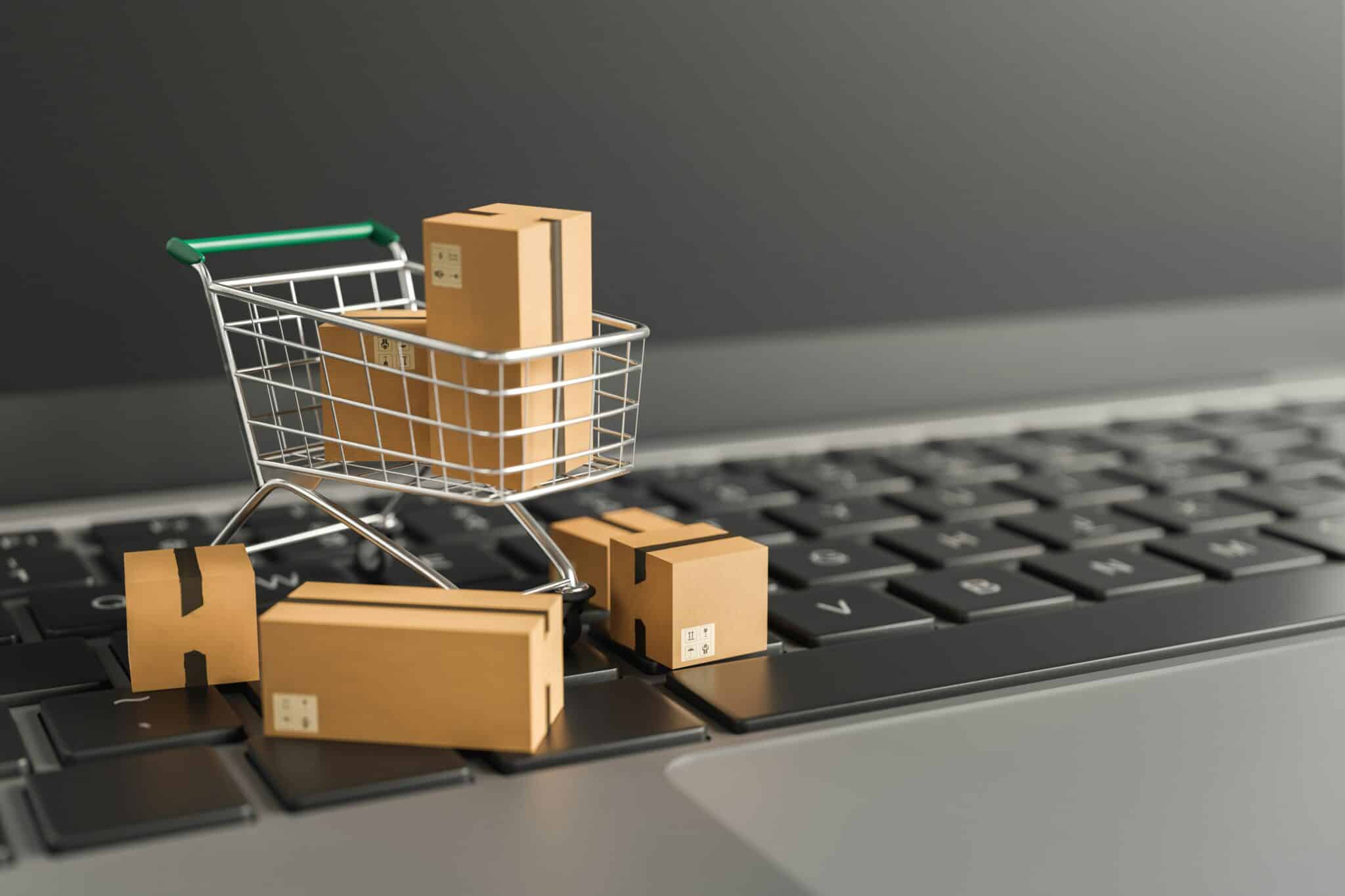
Online shopping has changed how people buy almost everything, but it has also created a set of packaging problems that physical retail never had to deal with. When a product ships from a warehouse to a doorstep, it has to survive conveyor belts, delivery trucks, weather, and the occasional rough handling all before the customer forms their first impression. Here’s a closer look at the biggest packaging challenges e-commerce brands face today.
1. Protecting Products Through a Rough Supply Chain
A product bought in-store travels a few feet from shelf to bag. A product bought online might pass through multiple sorting facilities, get stacked under heavier boxes, and endure drops during transit. Packaging has to account for all of this without adding so much bulk or padding that shipping costs spiral out of control. Striking that balance between protection and efficiency is one of the toughest ongoing challenges in e-commerce fulfillment.
2. Rising Shipping and Material Costs
Cardboard, void fill, and shipping rates have all become more expensive in recent years, squeezing margins for online sellers. Oversized boxes make the problem worse, since carriers often charge based on dimensional weight rather than actual weight. Brands that don’t right-size their packaging end up paying to ship empty air, which adds up fast across thousands of orders.
Join The European Business Briefing
New subscribers this quarter are entered into a draw to win a Rolex Submariner. Join 40,000+ founders, investors and executives who read EBM every day.
Subscribe3. Meeting Customer Expectations for Unboxing
Social media has turned unboxing into part of the shopping experience itself. Customers now expect branded tape, tissue paper, thank-you cards, or thoughtful little touches especially from direct-to-consumer brands. Meeting that expectation while keeping packaging costs under control means finding low-cost details that still feel intentional, rather than expensive add-ons that don’t scale.
4. Reducing Returns Caused by Damage
Damaged-in-transit items are one of the most preventable causes of returns, yet they remain common when packaging isn’t matched to the product. A poorly cushioned item or a box that’s too large and lets contents shift can turn a sale into a costly reverse-logistics problem. Choosing the right box size and internal support like a well-fitted custom ecommerce shipping box designed for the specific product significantly cuts down on damage claims and the costs that come with them.
5. Balancing Sustainability with Durability
Shoppers increasingly care about how much packaging waste their orders generate, but eco-friendly materials aren’t always as protective as traditional options. Brands have to weigh recyclable mailers and minimal plastic against the real risk of damage during shipping. Getting this wrong in either direction either hurts the brand’s environmental image or increases returns so the two goals have to be solved together, not traded off.
6. Standing Out in a Crowded Inbox and Doorstep
Without a storefront or shelf space, packaging becomes one of the few physical touchpoints a brand has with its customer. A plain brown box blends in with everything else arriving that week, while custom printing, color, or a distinct box shape can make a delivery feel like it came from a brand worth remembering which matters for repeat purchases.
Final Thoughts
Packaging for online shopping isn’t just about wrapping a product it has to protect, brand, and ship efficiently all at once, often with competing priorities pulling in different directions. Brands that treat packaging as part of the customer experience, rather than an afterthought, tend to see fewer damaged returns and stronger repeat business. Suppliers like PackFancy work with e-commerce sellers to design packaging that holds up through the supply chain without losing that unboxing appeal.