






























A low apparel quote can improve a spreadsheet while weakening the order behind it. Buyers comparing a custom streetwear manufacturer need to compare scope, approval gates and change exposure as well as unit price. Otherwise one supplier appears cheaper because fabric, sampling, packing or inspection sits outside the number.
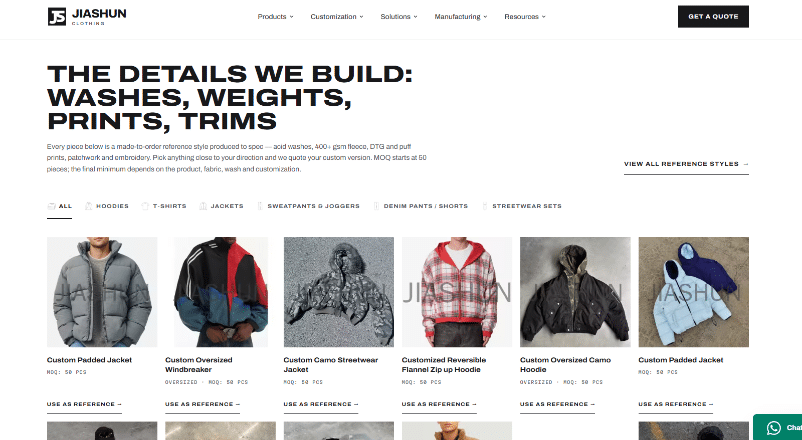
Jiashun Clothing prepares a formal quote after reviewing style, fabric, quantity, artwork, washing, trims and packing. That approach offers a useful procurement lesson. A garment price only becomes comparable when each factory prices the same product, accepts the same evidence and identifies the same handover point.
Join The European Business Briefing
New subscribers this quarter are entered into a draw to win a Rolex Submariner. Join 40,000+ founders, investors and executives who read EBM every day.
SubscribeLow Unit Price Can Hide Scope Differences
Two factories can quote the same drawing and still price different garments. One assumes stock jersey, a standard fit and a simple print. Another includes custom measurements, a heavier fabric, washed finish, woven labels and individual packing. The lower figure may reflect less scope instead of better efficiency.
Procurement teams should resist ranking quotes on the headline number until they can see every assumption. Ask each supplier to name the fabric direction, decoration method, quantity, sample arrangement, labels, packing and target delivery used for the quote. An empty cell matters. It marks a cost or decision that may return later.
MOQ belongs in the same review. Jiashun Clothing starts at 50 pieces, with the final minimum depending on product and customisation. A 50-piece minimum does not promise that every fabric, wash or trim remains feasible at that quantity. The factory confirms the final minimum after it sees the project details.
Normalize Every Quote Before Comparing Total Cost
Create one scope sheet and send it to every shortlisted supplier. Keep the garment category, quantity, artwork, measurements, material direction, packing and delivery market fixed. Let suppliers propose different methods only when they state what changed and why.
Designers usually see a supplier suggestion as a creative option. Procurement should also read it as a scope change. If one factory substitutes a stock fabric for a custom colour, or moves from embroidery to print, place the altered assumption beside the price. The team can then decide whether the saving preserves the product rather than discovering the difference in the first sample.
Separate Included Work From Buyer Supplied Items
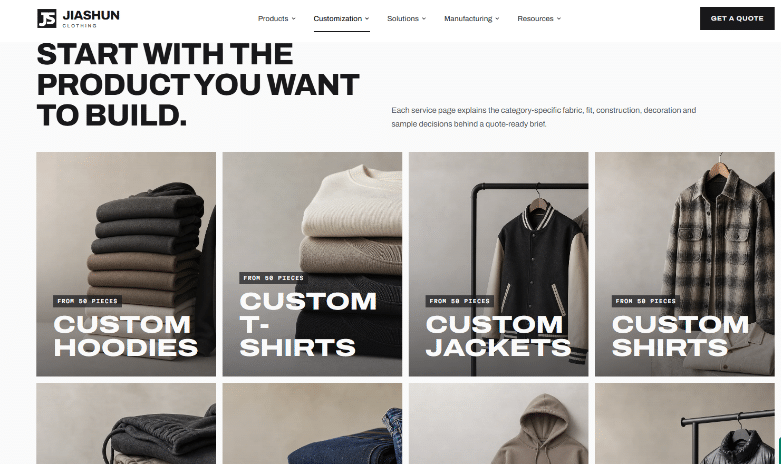
Mark whether the supplier sources fabric and trims, develops the pattern, makes the sample, grades sizes, prints or embroiders artwork, attaches labels, packs units and arranges export handover. If the buyer supplies an item, record its delivery point and quality responsibility. A cheap cut-and-sew quote can become expensive when the buyer must coordinate materials across several vendors.
The comparison should also identify paid sample charges and revision assumptions. The factory normally uses a paid sample for fit, fabric, artwork and quality review, with exact charges confirmed by project. Sampling belongs in the investment case because it turns an image into the standard that bulk production must follow.
Measure Cash Exposure At The Sample Gate
The sample gate limits how much capital rests on an untested interpretation. A first version can expose a neckline that sits wrong, artwork that becomes unreadable on textured fabric or a wash that shifts the intended colour. Fixing one sample creates rework, but repeating the error across bulk creates inventory the brand may discount or reject.
Approve Evidence Before Releasing Bulk Funds
Approval should cover the style code, revision, size, colourway, material status and date. Review measurements against the agreed method, then check fit on the intended body, artwork scale, construction, labels and packing notes. Number every change and close it in a dated comment sheet.
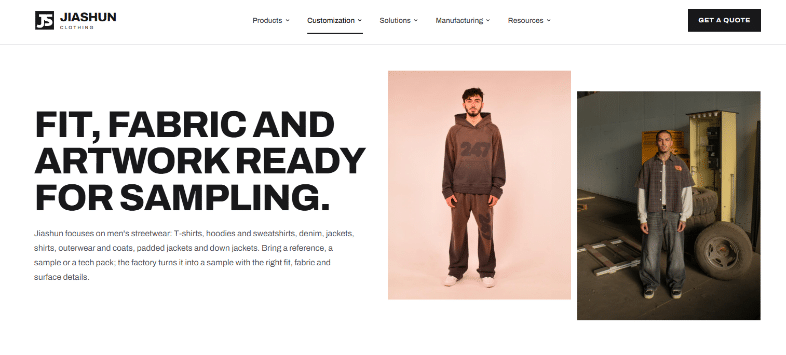
A custom t shirt manufacturer can then connect approval to pattern, fabric and decoration work. Jiashun Clothing usually develops a sample in 10–15 working days and runs bulk in 20–30 working days after approval. Procurement should place those stages in the cash plan rather than treating lead time as one undivided promise.
The release rule can stay simple: no bulk approval while a material, measurement, artwork or packing decision remains open. That rule may delay one payment, yet it prevents a larger payment from financing an unresolved garment.
Compare Factory Evidence Instead Of Sales Confidence
Factories should show how they turn an approved sample into repeatable production. Jiashun Clothing describes cutting, sewing, decoration, finishing, final checks, carton packing and export handover in one factory process. It also shows a 3,000 square metre Dongguan facility, more than ten years of cut-and-sew experience and fabric test documentation.
| Buying question | Weak evidence | Useful evidence |
| Can the factory repeat fit? | A lookbook image | Approved measurements, pattern revision and sample |
| Can it repeat artwork? | A digital mockup | Production sample with method, scale and placement |
| Can it control bulk? | A general quality promise | Named checks, inspection scope and packing standard |
| Can it hand over exports? | Worldwide shipping claim | Carton, destination, method and cost assumptions |
This table does not guarantee performance. It forces each claim to connect with a document or object the buyer can review. A factory photo proves a facility exists; the approved sample and inspection agreement define what that facility must produce for this order.
Set one rejection example for each material risk. A measurement outside the agreed tolerance, unauthorised artwork, an unreadable care label or severe seam twisting would never clear QA. The examples give an inspector a result to record. They also show a supplier which defects the buyer treats as commercial failures rather than cosmetic variation.
Procurement can test the record before placing the order. Pick one late change, such as a new hang tag or heavier fabric, and ask where it enters the process, who approves it and how it affects price and delivery. A supplier with a clear workflow can trace the consequence. A vague answer belongs in the ledger as unresolved exposure.
Price Shipping After Carton Decisions Are Fixed
International shipping cost depends on quantity, carton weight, destination, shipping method and packaging. A quote collected before the buyer settles folding, polybags, hang tags or carton marks may carry an estimate that changes after production. Procurement should record the shipping basis beside the garment price.
Ask when responsibility passes from factory to buyer and which documents accompany the handover. Clarify whether the quote includes local movement, export handling, freight, insurance or delivery to the final address. Avoid reading “shipping arranged” as a complete landed-cost promise.
Packing affects more than freight. A missing style code can slow warehouse intake. Weak separation between colourways can create picking errors. Excess packaging raises volume without protecting the garment. These costs may not appear in the factory unit price, but the buyer pays them through freight, labour or customer returns.
Where The Ledger Still Needs Human Review
A risk ledger cannot judge handfeel, visual balance or whether a wash suits the brand. It also cannot replace legal review, laboratory testing or an agreed inspection plan. Buyers still need qualified people to approve the sample and set any performance requirements before bulk.
Choose The Supplier That Makes Changes Visible
The strongest quote makes its assumptions visible and gives the buyer clear moments to approve, revise or stop. It explains what changes the price, what the sample proves, what bulk repeats and where shipping responsibility begins. That transparency lets procurement compare total exposure instead of rewarding the smallest opening number.
Jiashun Clothing suits buyers prepared to send a specific brief, fund a sample and close decisions before bulk. The risk ledger then becomes a practical buying tool: it connects cost with evidence and shows which late change would alter the garment, the delivery plan or both.






