





























London, 20 August 2026 — EBM Newsdesk Analysis —Nick Staunton
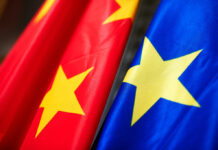
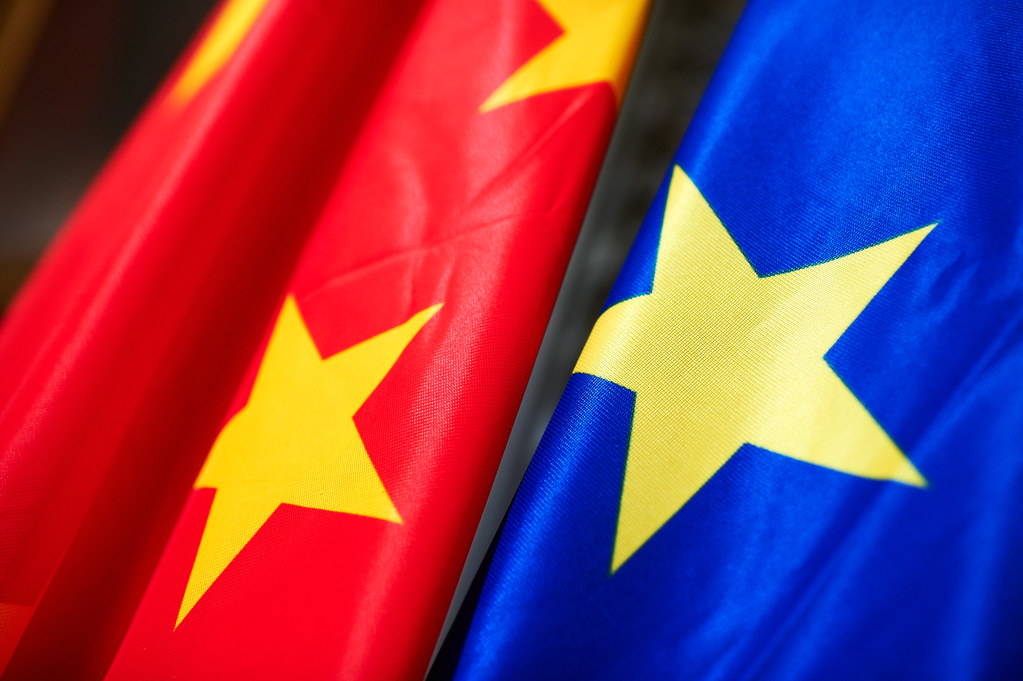
China has ordered its companies and citizens not to assist a European Union investigation into JD.com’s proposed €2.2bn acquisition of German electronics retailer Ceconomy, turning a corporate takeover into a direct confrontation between Beijing and Brussels.
China’s Ministry of Justice described the EU investigation as an improper exercise of extraterritorial jurisdiction and accused Brussels of abusing its Foreign Subsidies Regulation. Beijing warned that it could take further retaliatory action if the EU continued demanding information from Chinese organisations.
Join The European Business Briefing
New subscribers this quarter are entered into a draw to win a Rolex Submariner. Join 40,000+ founders, investors and executives who read EBM every day.
SubscribeCeconomy owns MediaMarkt and Saturn, giving it one of Europe’s largest networks of consumer-electronics stores. Its acquisition would provide JD.com with a formidable physical and digital retail platform across the continent.
The dispute is therefore about considerably more than the ownership of a German retailer. It concerns whether the EU can investigate Chinese state support—and whether Beijing can prevent Brussels from obtaining the evidence it needs.
Brussels suspects an unfair advantage
The European Commission opened an in-depth investigation in May after raising preliminary concerns that JD.com may have received Chinese subsidies capable of distorting the EU’s internal market.
Regulators are examining possible preferential financing, tax incentives and grants. The Commission wants to establish whether any state support enabled JD.com to offer an artificially high price for Ceconomy or could help the combined company undercut European competitors after the transaction.
JD.com has rejected that suggestion. The Chinese group says the acquisition is being financed through internal resources and private bank lending rather than state subsidies.
The German competition authority has already cleared the takeover on conventional antitrust grounds. The EU investigation is different: it examines the financial advantages behind the buyer rather than simply whether the transaction would reduce competition.
Brussels is expected to reach a decision by October 2. It could approve the deal, demand concessions or prohibit it if regulators conclude that foreign subsidies distorted the acquisition.
China creates an impossible compliance problem
Beijing’s intervention places JD.com and other Chinese entities in a potentially impossible legal position.
The European Commission can demand information needed to complete its investigation. China is now ordering domestic organisations not to provide that assistance. Compliance with one authority could therefore mean violating the instructions of another.
This is the second time Beijing has used its expanded rules against what it considers unlawful foreign jurisdiction. A similar order was issued during an EU investigation into Chinese security-equipment manufacturer Nuctech.
The approach gives China a mechanism for obstructing investigations beyond its borders. But it also risks making Chinese acquisitions more difficult. If European regulators cannot verify how a transaction is financed, they may become less—not more—willing to approve it.
That could ultimately damage the international expansion plans of Chinese companies.
Europe’s new economic-defence weapon
The Foreign Subsidies Regulation has applied since July 2023. It was introduced to close an obvious gap in European competition policy.
EU governments are subject to strict state-aid rules when supporting domestic companies. Until the regulation arrived, foreign businesses could potentially use subsidies from their own governments to acquire European assets or win public contracts without facing equivalent scrutiny.
The Commission argues that the rules apply equally to every non-EU company. Beijing regards their frequent use against Chinese businesses as evidence that the regulation has become a protectionist instrument.
Both arguments contain a measure of truth. Europe has a legitimate interest in preventing state-backed companies from purchasing strategic assets on terms unavailable to unsubsidised rivals. But expansive information requests and uncertain definitions can also make compliance difficult and discourage otherwise valuable investment.
A takeover becomes a sovereignty contest
The Ceconomy investigation demonstrates how rapidly European merger control is becoming entangled with geopolitics.
JD.com wants a powerful route into European retail. Germany wants investment in a major domestic company. Brussels wants assurance that the transaction will not distort competition. Beijing, meanwhile, refuses to accept that European regulators should demand extensive information from organisations inside China.
The danger is that neither side can retreat without appearing to surrender authority. The EU cannot operate an effective subsidies regime if companies can withhold evidence on the instructions of a foreign government. China cannot easily accept what it regards as the extraterritorial application of European law.
For JD.com, the €2.2bn purchase of Ceconomy was intended to accelerate its European expansion. It has instead become a test of whether Chinese capital can enter Europe without also importing a conflict between two rival legal systems.