





























The Gulf Has Oil to Sell. It Cannot Find Enough Ships Willing to Carry It
London, 20 August 2026 — EBM Newsdesk Analysis —Nick Staunton
The Gulf’s oil crisis is no longer simply about production. It is increasingly about finding enough ships—and owners willing to accept the risk—to carry crude out of the region.
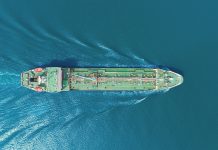
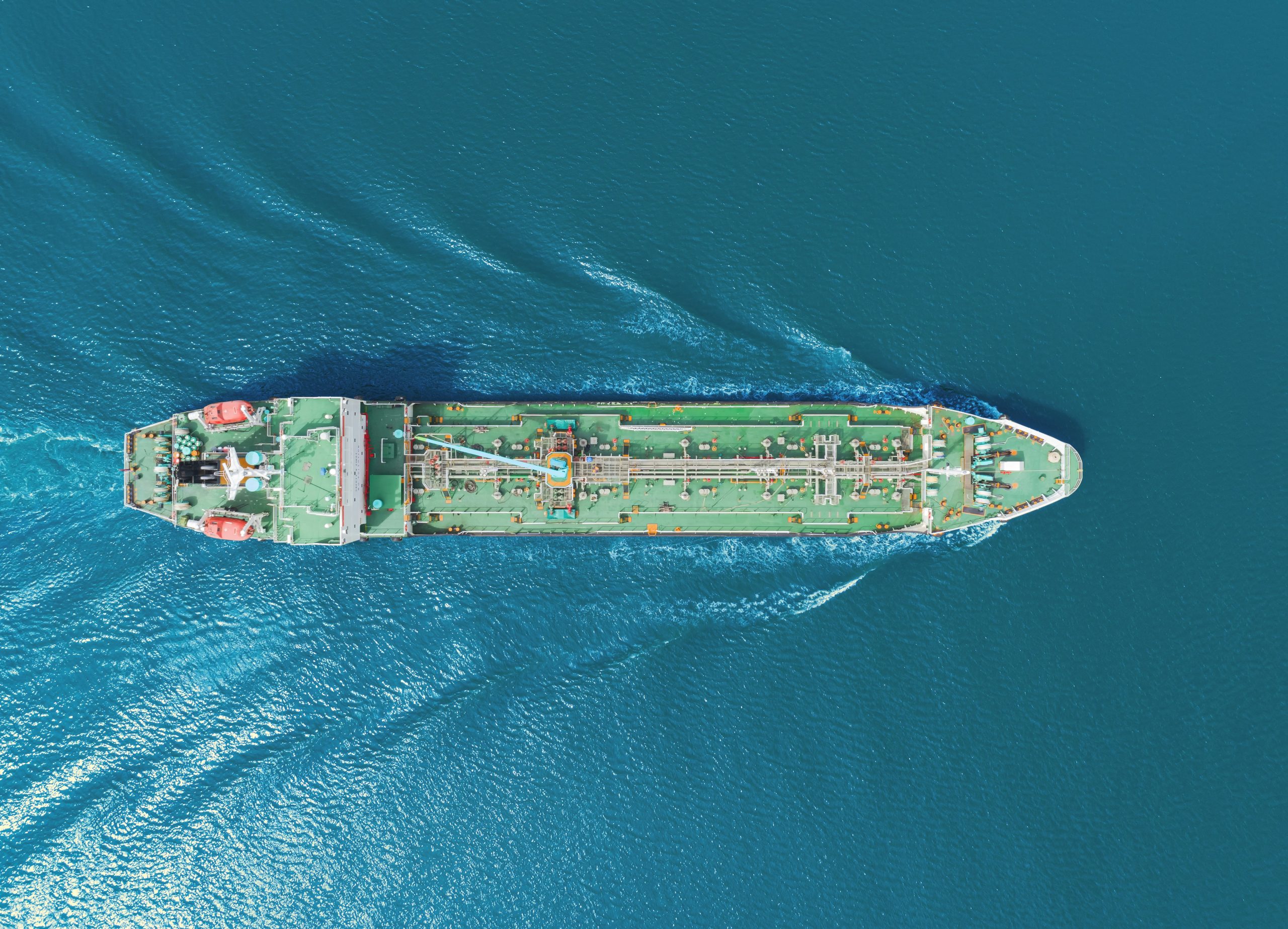
Demand for tankers has surged as Middle Eastern producers attempt to keep exports moving despite repeated attacks on vessels around the Strait of Hormuz. The disruption has pushed the price of large oil tankers above $130mn and driven charter rates to previously unthinkable levels.
Join The European Business Briefing
New subscribers this quarter are entered into a draw to win a Rolex Submariner. Join 40,000+ founders, investors and executives who read EBM every day.
SubscribeFor Gulf producers, the problem is brutally simple. Oil remaining in storage earns nothing. If storage fills completely, production must eventually be reduced regardless of how much crude lies beneath the ground.
The result is an increasingly expensive competition for vessels, crews and insurance.
Shipowners can now name their price
Daily earnings for very large crude carriers operating on the most dangerous Gulf routes have reportedly reached as much as $550,000. That compares with average earnings of nearly $470,000 reported during an earlier surge in June.
The extraordinary rates reflect more than a shortage of ships. Owners must account for the possibility of drone or missile attacks, damage to vessels, disruption to navigation and difficulties obtaining insurance.
Some shipowners have withdrawn from the region altogether. Others are willing to enter the Gulf only if the potential return justifies the danger.
This has divided the tanker market into two groups: owners prepared to accept extraordinary risks for extraordinary rates, and those unwilling to expose vessels worth more than $100mn to an active conflict zone.
The imbalance gives a relatively small number of operators considerable influence over global energy flows.
Gulf producers build their own escape routes
Oil companies and governments are responding by attempting to take greater control of their shipping capacity.
Abu Dhabi’s Adnoc has reportedly spent around $1.3bn acquiring additional vessels. The company and Kuwait Petroleum have also adopted shuttle arrangements in which tankers move crude towards safer transfer points, allowing other vessels to complete the longer journey.
Saudi Arabia is offering some Asian refiners cargoes through routes outside Hormuz. Crude can be transported across the kingdom through its East-West pipeline before being loaded at Yanbu on the Red Sea. Some supplies are also being directed through Egypt’s Sidi Kerir terminal.
The UAE has its own pipeline connecting Abu Dhabi’s oilfields with Fujairah, allowing part of its production to reach the open sea without entering the strait.
These routes provide valuable alternatives, but none can completely replace the enormous volumes traditionally transported through Hormuz.
Before the latest conflict, approximately 15mn barrels of Gulf oil passed through the strait each day. Infrastructure designed to bypass the waterway cannot absorb all of that traffic.
Iraq faces the greatest pressure
The crisis is particularly severe for producers without substantial alternative export infrastructure or their own tanker fleets.
Iraq has reportedly offered steep discounts to encourage buyers to accept cargoes requiring passage through the high-risk route. Discounts can protect sales volumes, but they transfer the economic cost of the disruption directly to the producer.
South Korea’s Sinokor, which has invested approximately $5.9bn in tankers, has become an important operator on Gulf routes. Companies willing to make repeated journeys are gaining commercial leverage that would have appeared improbable before the conflict.
The tanker shortage is therefore redistributing profits across the energy supply chain. Gulf producers may own the oil, but shipowners increasingly determine whether—and at what cost—it reaches customers.
A structural change in the oil market
The immediate surge in rates may fade if maritime security improves. The strategic lesson will last much longer.
Gulf states can no longer assume that international shipping capacity will always be available when required. More producers are likely to acquire vessels, secure long-term charter agreements and invest in pipelines and terminals outside Hormuz.
That means the economic consequences of the conflict will extend beyond the oil price. Billions of dollars will be redirected towards ships, insurance, storage and alternative export infrastructure.
The Strait of Hormuz has always been the world’s most important energy chokepoint. The tanker boom shows that the market is finally placing a price on what happens when that chokepoint becomes a battlefield.