

























Paris, 1 August 2026 — EBM Weekend Read — By Nick Staunton
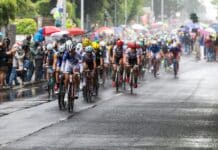
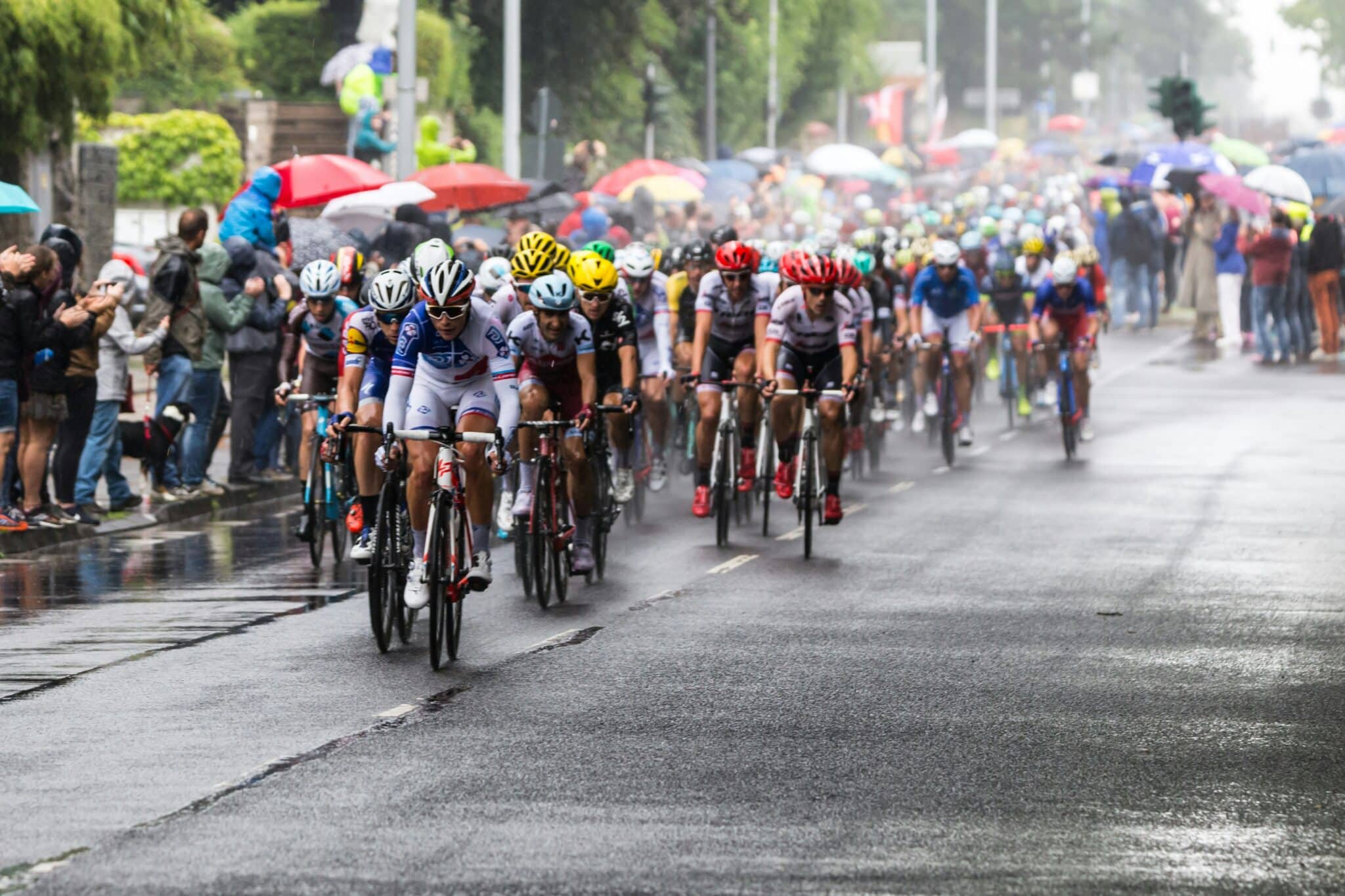
The 113th Tour de France finished six days ago, having started in Barcelona on 4 July and covered 3,333 kilometres. Roughly a billion people watched some part of it. Almost none of them could name the company that owns it, which is the point. Amaury Sport Organisation is privately held, family-controlled, and turned €374.9m of revenue into €131.15m of net profit in 2024 — revenue up 79.5% and profit up 177% since 2015. In 2023 an average workforce of 289 people produced around €321m of revenue and €115m of profit.
That is a 35% net margin. Formula One does not earn that. Neither does the Premier League, nor UEFA, nor any listed sports business in Europe. A company you have never heard of, employing fewer people than a mid-sized regional bank, runs the most profitable event portfolio in world sport. Understanding how is a lesson in what owning an asset outright is actually worth.
Join The European Business Briefing
New subscribers this quarter are entered into a draw to win a Rolex Submariner. Join 40,000+ founders, investors and executives who read EBM every day.
SubscribeA Newspaper Circulation Stunt
The Tour was invented in 1903 to sell newspapers. L’Auto was losing a circulation war and needed something its rival could not copy, so it staged a bicycle race around France and reported on it exclusively. Sales quadrupled.
That origin explains the structure. The race was never a sport that later acquired a media business. It was a media property that happened to involve bicycles, and it has been owned by publishers ever since.
L’Auto did not survive the war. Its assets passed into what became L’Équipe, and the group was built by Émilien Amaury, a printer and publisher who had worked in the Resistance. His son Philippe took over after a bitter succession fight. When Philippe died in 2006 his widow, Marie-Odile Amaury, assumed control, and the family has held it since.
Groupe Amaury also owns L’Équipe, France Football, Vélo Magazine, the Pressesports photo agency and an incubator, with group revenue reaching €550m. It has said repeatedly that it is not for sale.
What Is Actually In the Portfolio
ASO is not a one-race company, which is the first thing most people get wrong.
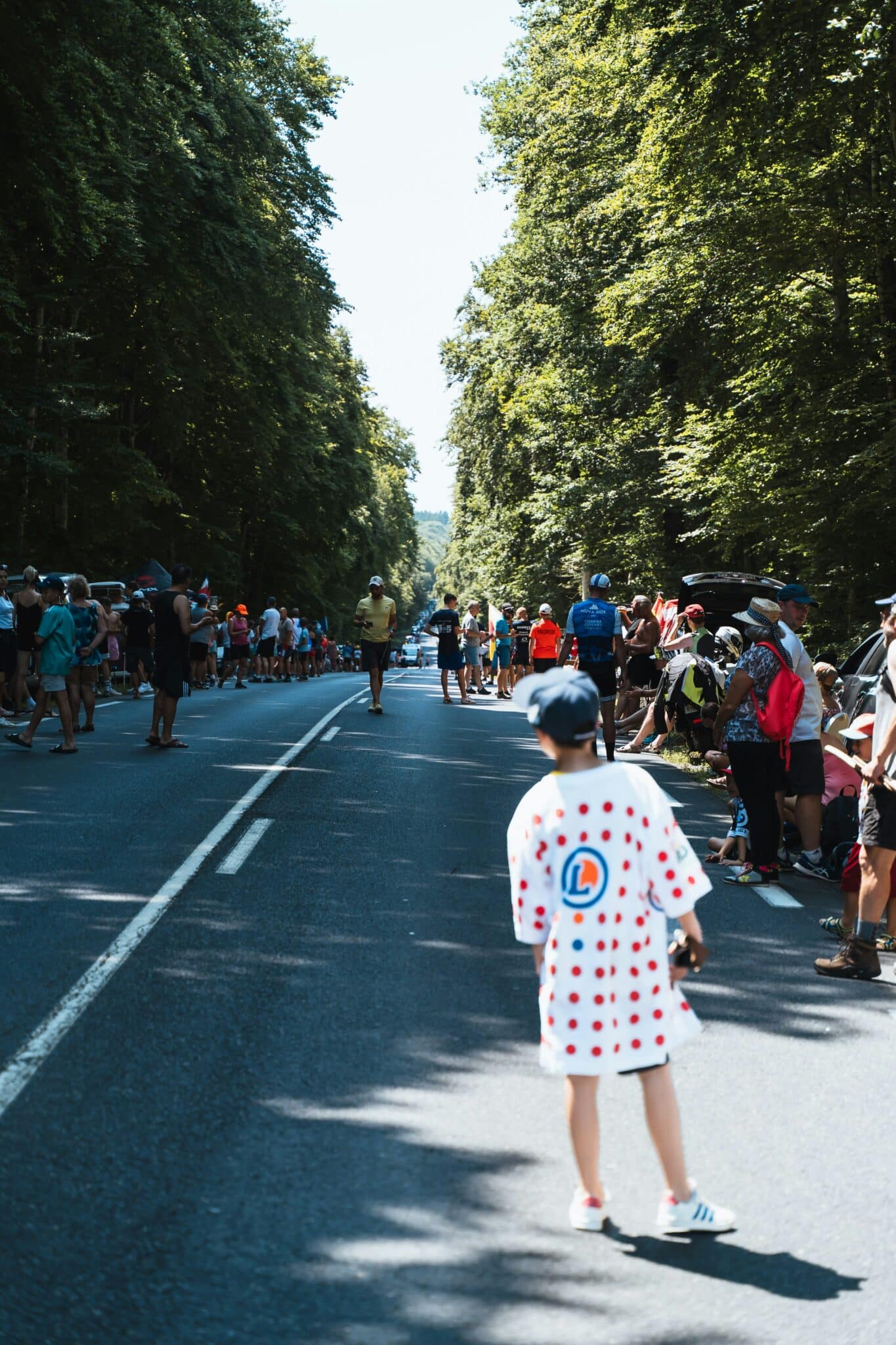
It owns Paris-Roubaix, Liège-Bastogne-Liège, La Flèche Wallonne, Paris-Nice and the Critérium du Dauphiné. It holds the controlling position in the Vuelta a España. It owns the Dakar Rally, an entire motorsport property in its own right. It owns the Paris Marathon. Across everything it runs more than 100 events in 36 countries, covering roughly 250 competition days a year, plus a fast-growing mass-participation arm — the L’Étape series alone held 26 events for nearly 60,000 riders in 2025.
So ASO does not merely own the biggest race in cycling. It owns most of the other significant ones as well, which means it also effectively sets the calendar the sport runs on.
Three Revenue Lines, One Asset
The economics are unglamorous and extremely durable.
Broadcasting is the largest line. Television rights are reported to be worth more than $170m a year, and none of it is shared with the teams.
Then host fees. Towns pay for the privilege of appearing, with municipalities paying upwards of €100,000 to host a stage start or finish, and considerably more for the Grand Départ — which is why foreign starts have become such a lucrative line. The 2027 edition begins in Britain, taking in Edinburgh, Liverpool and Cardiff.
Third, sponsorship. The jerseys, the caravan, the timing, the official everything.
Note what is absent. There are no stadium costs, because the venue is France. There are no player wages, because the riders are employed by teams. There is no relegation risk, no transfer market and no competitor, because ASO also owns the alternatives. The Rolex Foundation’s insight about ownership structures applies precisely here: what protects a business over decades is not brilliance but the arrangement of who holds what.
The Teams Are Not the Business
Here is the part that generates the arguments.
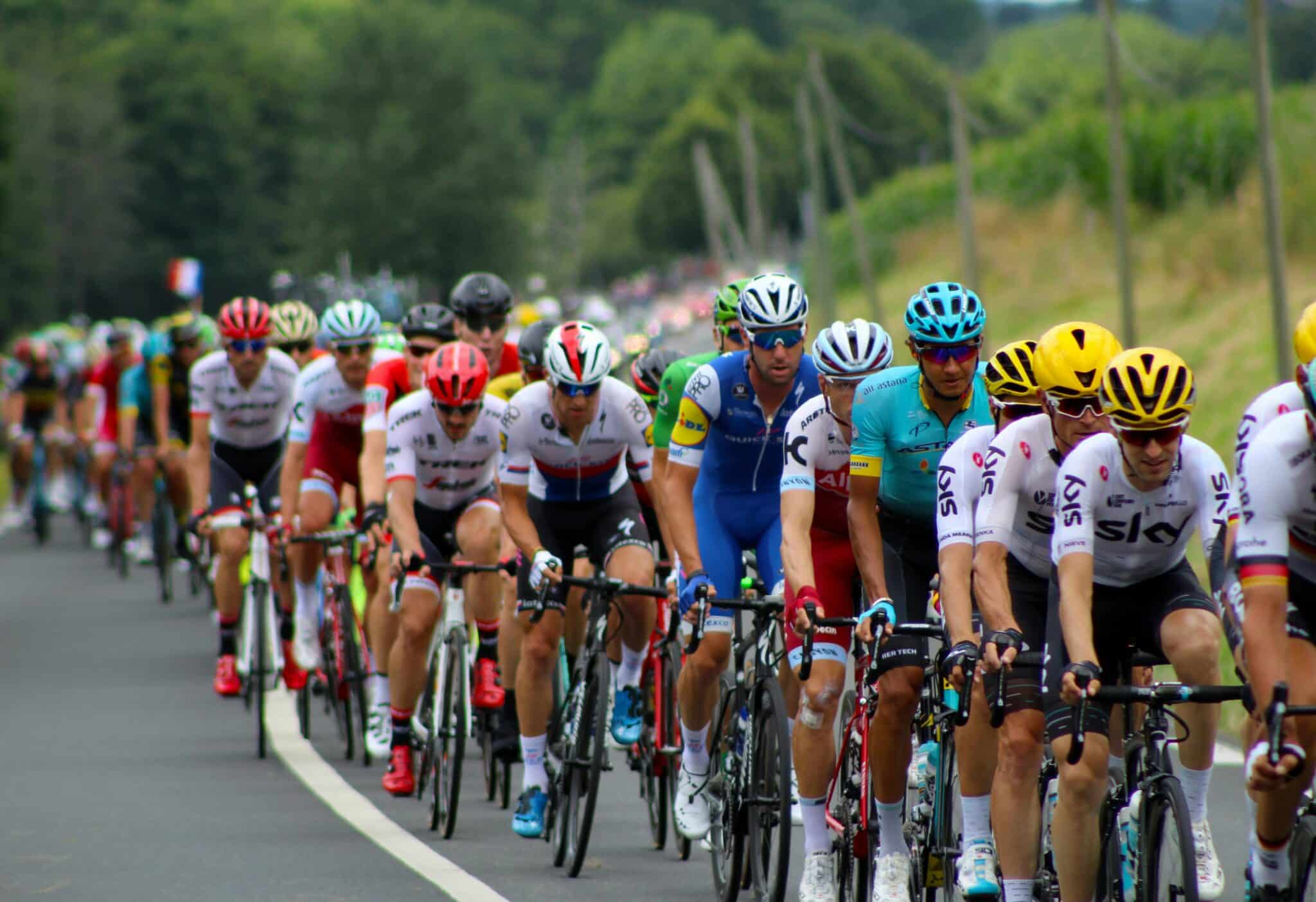
The teams that make the race watchable are almost entirely dependent on sponsors, receive no broadcast revenue, and compete for a prize pot that is trivial against the rights value. Squads fold when a sponsor leaves. Riders in support roles earn a fraction of what a mid-table footballer does.
Team owners have pushed for revenue sharing for years and got nowhere. The current vehicle is One Cycling, reportedly backed by around €250m from Saudi Arabia’s SURJ Sports Investment, which the UCI has opposed while launching a consultation. Extracting concessions from ASO is hard: without the Tour’s exposure, team sponsorship revenue would collapse, which tips the balance decisively towards the owner.
The New York Times ran a piece last week describing the family as resistant to change, contrasting the Tour with a FIFA World Cup expected to generate around $13bn through expansion, more advertising breaks and dynamic pricing.
That comparison cuts both ways. FIFA’s expansion drive is exactly what triggered UEFA’s threatened boycott over the $20bn commercial vehicle JPMorgan is structuring. Maximising a sporting asset and destabilising it are frequently the same action.
The Verdict
My view is that ASO is the most quietly impressive business in European sport, and that its critics are right anyway.
The achievement is real. A family firm has held a century-old asset through wars, succession fights and the entire transformation of sports media, and has monetised it without ever selling control. Compare that with the Dassler brothers, who invented modern sports marketing and whose families lost both companies within two generations. Or with the streaming platforms burning capital for rights they will never own. ASO owns the thing itself, which is why it earns 35% while everyone else fights over margins.
But a 35% net margin in a sport where teams routinely fold is not a triumph of efficiency. It is a distribution of value that reflects who holds the rights, not who creates the spectacle. The riders and teams generate the product. The owner banks the media revenue. That is legally impeccable and commercially fragile, because a sport whose participants cannot reliably fund themselves is one bad sponsorship cycle from a thinner field.
Saudi capital has noticed the gap, as it has across every under-monetised corner of global sport. Money arrives where value is being created but not captured.
Europe spends a great deal of time worrying about foreign ownership of its assets. ASO is the counter-example — a European family that never sold, never listed, and never let go. The question is whether holding on quite so tightly is what eventually forces the sport to build an alternative.