






























London, 1 August 2026 — EBM Weekend Read — By Nick Staunton
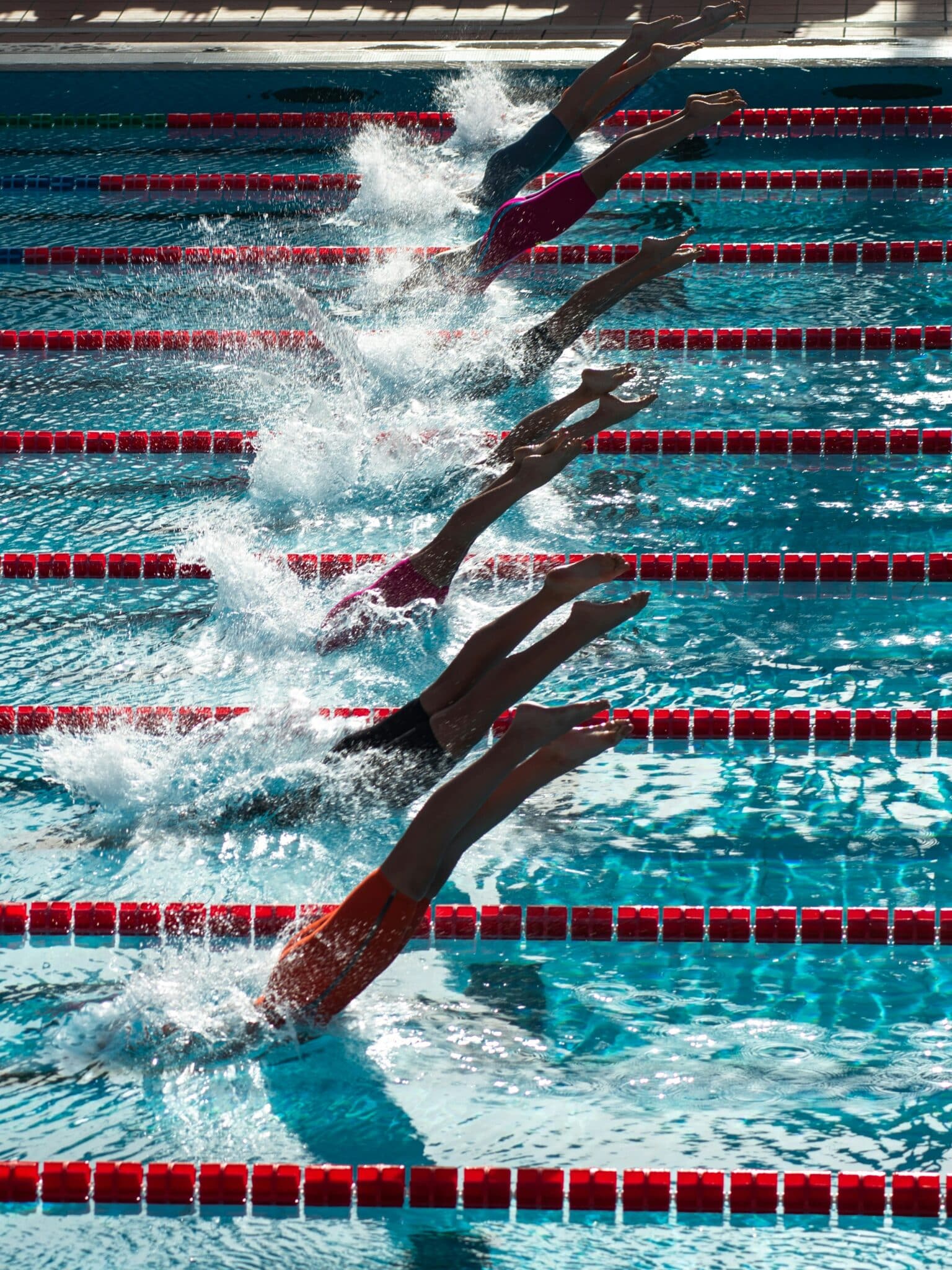
Australia’s swimmers left the Glasgow Commonwealth Games with 37 gold medals, 16 silvers and 23 bronzes. It was not merely victory. It was industrial-scale domination.
They won every relay, broke five Commonwealth Games records and collected more swimming golds than the rest of the competition combined. Several of Australia’s established stars were absent, yet a new generation arrived looking every bit as formidable.
Join The European Business Briefing
New subscribers this quarter are entered into a draw to win a Rolex Submariner. Join 40,000+ founders, investors and executives who read EBM every day.
SubscribeThen came another prize.
Gina Rinehart, Australia’s richest person and its largest private sporting benefactor, awarded the country’s medal-winning swimmers and Para swimmers A$1.27mn in performance bonuses.
Individual champions received A$20,000 for gold, A$15,000 for silver and A$10,000 for bronze. A world record was worth a further A$30,000, while relay swimmers were also paid according to the colour of their medal.
It is tempting to present this as a billionaire writing cheques after somebody else has done the work.
That misses the real story.
The bonuses are the visible end of a funding system Rinehart has been building for more than a decade. She has not literally bought Australia its medals. She has helped buy athletes the one asset elite sport consumes relentlessly and rarely reimburses properly: time.
The Money Before the Medal
Through Hancock Prospecting, Rinehart established a direct swimmer-support programme in 2012.
By the Paris Olympics, the scheme was expected to have distributed more than A$40mn directly to swimmers. Its funding pool for the 2023-24 season alone was about A$3.5mn, separate from government assistance and medal bonuses. The money was intended to support training, competition, education and athletes facing difficult personal circumstances.
That matters because the economics below sport’s superstar tier are considerably less glamorous than the television product.
The modern athlete economy has produced fortunes for footballers, basketball players and tennis champions, as EBM explored in how Ronaldo, LeBron James and Kylian Mbappé are building investment empires. Olympic swimmers operate in a different financial universe.
They may train twice a day, travel internationally and surrender most of their conventional working life without earning a regular professional salary. A medal can produce sponsorships, but fourth place does not pay the rent. Nor does the promise that commercial opportunities may appear four years later.
Direct support changes the calculation. It can mean fewer hours coaching children, serving coffee or completing shifts between training sessions. It pays for treatment, travel, accommodation and the ability to remain in the sport through an injury or disappointing season.
Money does not make somebody swim faster by itself. It creates the conditions in which speed can be pursued without financial exhaustion.
Australia Has Added Private Capital to Public Sport
Rinehart’s wider sporting support reportedly reaches close to 150 athletes each year across swimming, rowing, artistic swimming and other disciplines. A separate medal-achievement fund announced in 2023 allocated A$1.5mn annually on top of existing athlete payments and high-performance funding.
Hancock Prospecting says its total contribution to elite Australian sport has exceeded A$100mn. That is the company’s own figure, but the scale of its publicly documented schemes leaves little doubt that the intervention is substantial.
Australia has not replaced its state-supported sporting system with billionaire patronage. It has layered private money on top of coaching, institutes, public facilities and the country’s powerful swimming culture.
That combination is the advantage.
Britain remains a major public investor in Olympic sport. UK Sport has allocated £28.9mn to aquatics for the Los Angeles 2028 cycle, within a record £330mn programme covering more than 50 Olympic and Paralympic sports.
Yet public funding tends to move through institutions, performance programmes and governing bodies. Australia has developed an additional channel that reaches athletes directly and rewards them visibly.
At Glasgow, swimmers from the British home nations collectively won four gold medals and 32 medals overall, compared with Australia’s 31 golds and 60 medals when the comparison is limited to the programme used in that assessment. The wider combined swimming and Para-swimming table gave Australia 37 golds and 76 medals.
A single competition is not proof of a permanent structural superiority. Australia has climatic, cultural and talent advantages that no cheque can reproduce.
But the contrast is difficult to ignore.
Patronage Returns to Modern Sport
Private patronage is hardly new. Wealthy families financed artists, scientists and explorers long before corporate sponsorship existed. What is unusual is seeing that model inserted so directly into a sophisticated national sporting system.
Most sports capital is now transactional. Brands buy visibility. Broadcasters buy rights. Private-equity firms buy future cash flows. Athletes increasingly demand ownership, following the model behind Roger Federer’s investment in On Running.
Rinehart’s model is different. The commercial return is less obvious than the naming rights and brand exposure attached to conventional sponsorship. Its deeper value lies in proximity to national achievement.
This is soft power at a personal level.
For a fraction of the cost of buying a football club, a private benefactor can become associated with an entire country’s Olympic success. The medals belong to the athletes, but the funding story follows them onto the podium.
Compare that with the billions required to operate the Champions League’s commercial machine or the decades of capital Red Bull used to turn a failing Formula One team into a global marketing empire. Elite swimming offers a much cheaper route to national prestige.
The Risk of Depending on One Person
There is an uncomfortable question beneath the medal count.
Should a country’s Olympic prospects depend so heavily on the preferences of one billionaire?
Private funding can move more quickly than government money. It can support athletes that institutional models overlook and continue through the years between Games, when public attention disappears.
It can also be withdrawn.
The relationship between sport and a benefactor is ultimately personal. Priorities change, controversies erupt and sponsorships end. When Hancock Prospecting withdrew from other Australian sporting arrangements, the organisations concerned had to find replacement funding.
A successful private scheme can also allow governments and governing bodies to postpone harder decisions. Every dollar supplied by a benefactor reduces the immediate pressure to build a funding model capable of surviving without one.
That is the divide between patronage and infrastructure.
Wimbledon’s extraordinary strength comes from owning its venue, brand and annual economics, as EBM explained in the business model behind sport’s most profitable fortnight. Australia’s swimmers do not own the funding platform supporting them. They depend on its continuation.
The Bottom Line
My view is that Rinehart deserves more credit than the standard language of sponsorship allows.
She identified a simple failure in elite sport: countries spend heavily finding and training talented athletes, then often leave those athletes financially insecure during the years when marginal improvements matter most.
Her answer was not another committee or branding campaign. It was direct funding.
Australia’s success cannot be reduced to one benefactor. It comes from coaches, families, facilities, sporting culture and generations of athletes who made swimming part of the national identity.
But money has strengthened every part of that system.
The A$1.27mn paid after Glasgow will attract the headlines. The more important investment came before the swimmers reached the starting blocks: the quieter payments that allowed them to train, recover, study and remain in the pool.
That is the real Olympic advantage Rinehart purchased.
Not medals.
Time.