































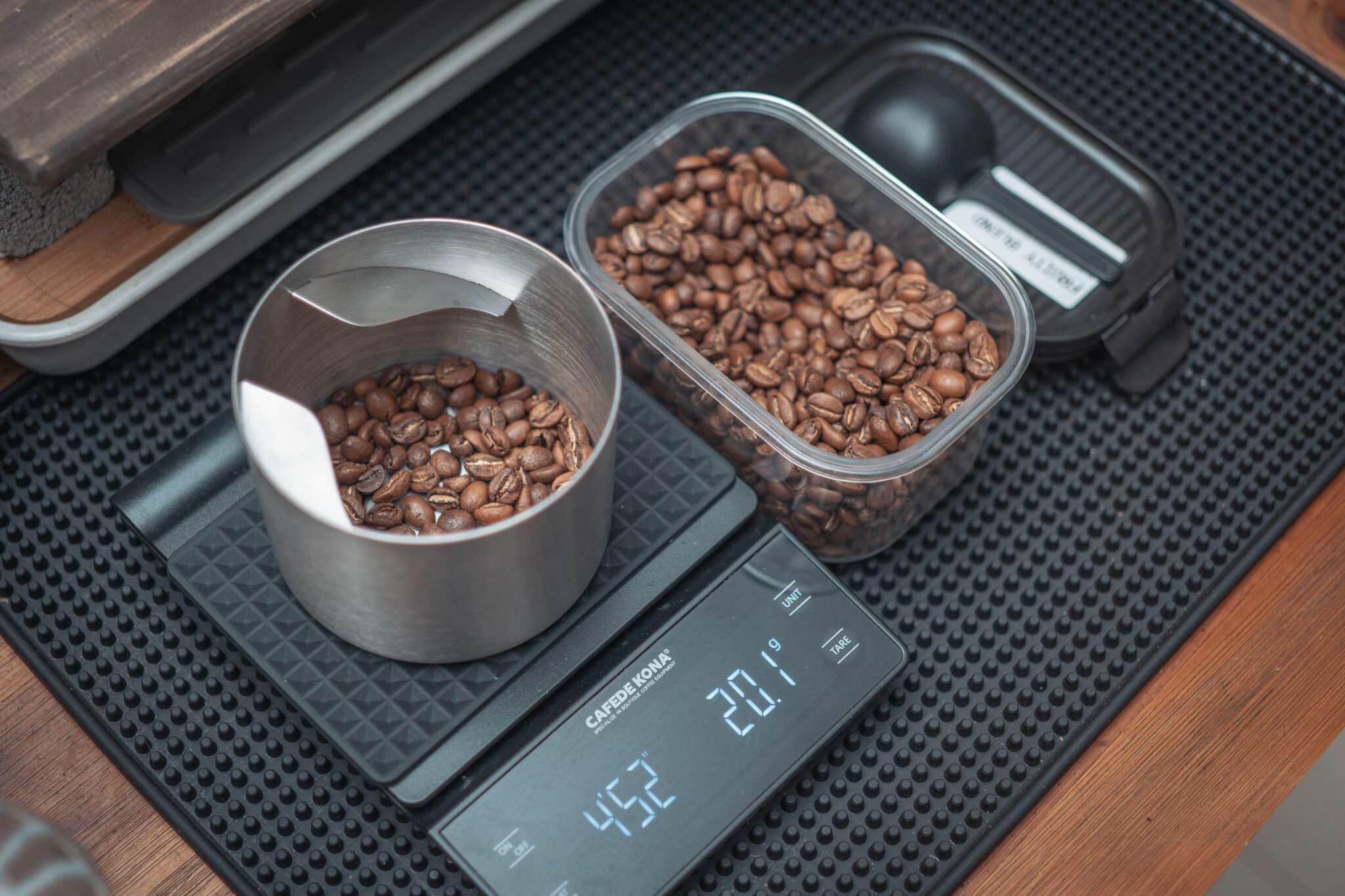
During coffee processing, inconsistent operations such as natural sun-drying, honey processing, light roasting and rapid roasting tend to cause color deviation issues. Significant color differences in coffee products usually indicate potential variations in coffee quality. Color sorting can therefore be adopted as a preliminary step to control coffee processing quality. Portable color difference meters are available for testing color variations of coffee. This article introduces how to measure the color difference of ground coffee with a portable color difference meter.
No More Guesswork in Coffee Roasting! The 3nh PS808CT Color Difference Translator Converts Roasters’ “Intuitive Know-How” Into Precise Data, Enabling Full-Standardized Control From Raw Beans to Finished Drinks for Consistent, Replicable Coffee Flavors
Join The European Business Briefing
New subscribers this quarter are entered into a draw to win a Rolex Submariner. Join 40,000+ founders, investors and executives who read EBM every day.
SubscribeRoast level is the core factor determining coffee flavor. Every stage, from whole coffee beans to a brewed cup, shapes the final taste profile. Traditionally, judging roast degree has long relied on roasters’ personal experience and naked-eye observation. Identical coffee beans can yield vastly different judgments when assessed by different people or under varying lighting conditions. Batch-to-batch inconsistencies caused by subjective visual evaluation have long plagued coffee roasteries and industrial coffee manufacturers as a critical pain point.
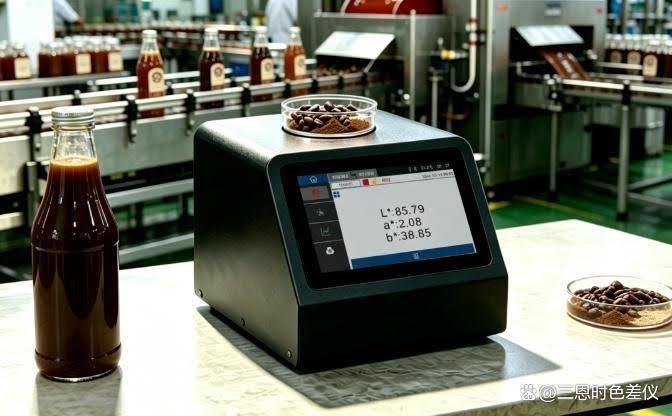
The 3nh PS808CT High-Precision Spectrophotometer, specially designed for coffee and tomato testing, features professional-grade accuracy, a food-grade large measuring aperture and all-in-one detection functions. It delivers a full-chain standardized color management solution tailored to the coffee industry, covering the entire roasting and finished product production process.
1. Quantifiable Roast Level: Eliminate Subjective Judgments of Light, Medium and Dark Roasts
Coffee roast level directly dictates flavor characteristics. The Specialty Coffee Association of America (SCAA) has long advocated using infrared-based Agtron numbers to quantify roast intensity, ranging from 0 to 100 — higher values represent lighter roasts, while lower values indicate deeper roasts. The SCAA also created eight graded reference color chips from light to dark as universal industry benchmarks.
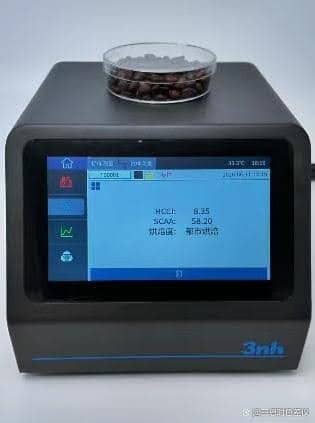
Preloaded with professional testing standards including SCAA, HCCI (Coffee Roast Color Index) and dedicated coffee roast grading metrics, the PS808CT accurately quantifies color shifts across the full spectrum from light to dark roasted beans. Operators can measure all mainstream industry indicators on a single device without switching between multiple instruments. Adopting a 45/0 optical geometry (45° annular uniform illumination, 0° receiving), the instrument perfectly simulates human visual perception. It effectively eliminates measurement interference caused by uneven surface texture and gloss of samples, delivering test results highly consistent with human visual assessment.
Whether for small-batch custom roasting in specialty coffee shops or mass production in large roasteries, the PS808CT translates roasters’ intuitive craft know-how into quantifiable, traceable data. It reduces reliance on individual expertise and ensures consistent, replicable flavor across every batch of coffee beans.
2. Φ50mm Extra-Large Measuring Aperture for Precise Testing of Whole Beans and Ground Coffee
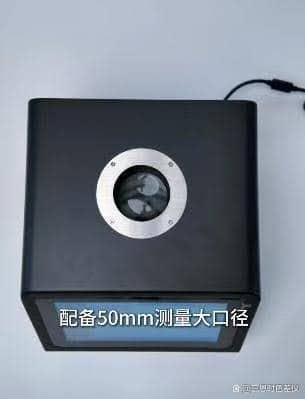
Whole coffee beans feature irregular shapes and complex surface textures. Conventional small-aperture instruments fail to cover full sample surfaces, with readings easily skewed by localized color variations. Equipped with a food-grade Φ50mm extra-large measuring aperture engineered specifically for uneven granular samples such as coffee beans and grounds, the PS808CT captures a broad sample area in one single measurement. It averages out errors stemming from uneven particle distribution to generate stable, representative color data.
3. Full-Process In-Line Quality Control for Industrial Coffee Production
For manufacturers producing instant coffee powder, drip bags, coffee capsules, cold brew concentrates and ready-to-drink bottled coffee, color acts as both an indicator of flavor and a mandatory specification for uniform product appearance. The PS808CT delivers measurable value across three core production stages:
- Raw Material Incoming Inspection: Color testing of incoming coffee powder quickly verifies raw material grades and freshness, blocking substandard supplies before they enter production lines.
- In-Process Production Monitoring: Real-time color tracking of extraction liquids and finished goods guarantees uniform appearance across batches. It precisely regulates color consistency for instant coffee powder shade and ready-to-drink coffee liquor tone alike.
- Process Stability Verification: For powdered products such as instant coffee, color metrics monitor the stability of spray drying and other manufacturing processes, enabling early detection of process fluctuations.
The instrument supports single measurements as well as averaging modes ranging from 2 to 99 readings, completing each test in approximately one second to facilitate rapid sampling and full inspection of high-volume batches. Local storage capacity accommodates 1,000 standard samples and 30,000 test records, meeting data archiving and traceability requirements for large-scale industrial production.
-
Laboratory-Grade Precision for Cross-Factory Consistent Data Alignment
More than an industrial testing instrument, the PS808CT meets full laboratory precision criteria:
- Superior repeatability: ΔE*ab color difference repeatability controlled within 0.03
- Minimal inter-instrument deviation: Inter-unit ΔE*ab difference limited to 0.35, ensuring consistent color data communication and alignment across multiple devices and production sites
- Full-spectrum capture: Covers the complete visible light wavelength range of 400–700nm to record comprehensive spectral data of samples without blind spots
5. Intuitive Operation & Streamlined Data Administration
Fitted with a 7-inch TFT color capacitive touchscreen, the device directly displays spectral graphs, chromaticity values, color difference readings, pass/fail judgments and color bias analysis. Operators can interpret results clearly without connecting external equipment. The supporting professional quality control software enables in-depth data analysis, batch file management and report export, supporting enterprises to build digital color management systems.
Conclusion
Against the backdrop of booming coffee consumption and expanding industrial manufacturing capacity, color management is no longer an optional upgrade — it has become a mandatory requirement for reliable quality control. The 3nh PS808CT Specialized High-Precision Spectrophotometer for Coffee and Tomatoes integrates professional optical design, food-grade large-aperture measurement and all-in-one indicator testing. It empowers coffee roasteries and industrial coffee manufacturers to shift from experience-based subjective judgment to data-driven standardized production.
Every cup of coffee’s color can now stand the test of precise data measurement.
About Threenh
Threenh is a professional manufacturer of color testing instruments, with product lines including spectrophotometers, gloss meters and color assessment cabinets widely adopted across food, plastic, textile, printing and other industries. For product details or a free sample testing appointment, please contact our 3nh technical support engineers [email protected].
3nh Coffee Spectrophotometer FAQ
Q1: What coffee testing indicators does the 3nh PS808CT professional coffee spectrophotometer support?
A1: Preloaded with mainstream coffee industry standards including SCAA Agtron value, HCCI (Coffee Roast Color Index) and exclusive coffee roast grading metrics. It delivers one-stop testing for whole coffee beans, ground coffee, coffee liquid, instant coffee powder and cold brew concentrate, quantifying light, medium and dark roast levels with objective data instead of subjective visual judgment.
Q2: Why is the Φ50mm large measuring aperture essential for coffee testing?
A2: Coffee beans feature irregular shapes and uneven surface pigment distribution; small-aperture instruments only capture tiny local areas and generate volatile readings. The food-grade Φ50mm wide aperture covers a large sample area in one test, automatically averaging color deviations caused by uneven particle layout to generate stable, representative data for granular coffee samples.
Q3: Can this instrument unify color standards across multiple factories and overseas suppliers?
A3: Yes. It reaches laboratory-grade precision with inter-instrument ΔE*ab ≤0.35, guaranteeing consistent color data transmission among multiple devices, domestic production lines, outsourced workshops and global suppliers. All production parties reference the identical color benchmark to eliminate cross-site batch color discrepancy complaints.
Q4: What optical structure does the PS808CT adopt for coffee samples?
A4: It applies 45/0 annular uniform illumination & 0° receiving optical geometry, fully matching human visual perception. It effectively avoids measurement interference from bean texture, surface gloss and oil stains, making test results highly consistent with manual visual evaluation by roasters.
Q5: What is the difference between measuring whole coffee beans and ground coffee?
A5: Whole bean readings only reflect the darker outer shell of coffee, while ground coffee exposes the lighter inner tissue, creating an 8–15 Agtron numerical gap between the two test forms. Industry uniform standards (SCAA cupping protocols) adopt ground coffee testing for accurate roast development assessment. The PS808CT supports both testing modes and records independent standard files for separate comparison.
Q6: How to avoid unstable readings during coffee powder testing?
A6: 4 key standardized operations:
- Fill the powder test box flat without compacting or loosening excessively;
- Conduct 2–99 times average measurement to offset granular unevenness;
- Complete white-black calibration before daily batch testing;
- Keep the measuring window clean without residual coffee powder or oil contamination.
Q7: Does the device support full industrial in-line quality control for coffee products?
A7: Absolutely. It covers three core production links:
- Raw material incoming inspection: Grade and freshness screening of bulk coffee powder;
- Mid-process monitoring: Real-time color tracking of extraction liquor, bottled ready-to-drink coffee and instant powder;
- Process stability verification: Detect fluctuations of spray drying and roasting crafts via color data. It completes one measurement within 1 second, supporting high-volume rapid sampling inspection.
Q8: How much data storage capacity does the instrument offer?
A8: Local storage holds 1,000 standard color samples and 30,000 test records, fully meeting long-term data archiving and traceability demands for mass industrial coffee manufacturing.
Q9: What display and data export functions are equipped?
A9: A 7-inch TFT capacitive touchscreen directly displays spectral curves, Lab* chromaticity values, ΔE color difference, PASS/FAIL judgment and color bias analysis without extra auxiliary devices. Matching professional QC software supports batch data management, deep data analysis and standardized inspection report export for building digital color management systems.
Q10: Is calibration required before coffee measurement? How often?
A10: Mandatory white-black calibration upon first startup, after long idle periods, under dramatic temperature/humidity changes, or when data appears abnormal. Weekly routine calibration is recommended to maintain long-term measurement stability.
Q11: What are the application scenarios of portable 3nh coffee colorimeters?
A11: Portable models suit on-site spot inspection of raw coffee materials, random batch sampling in roasting workshops, and quick color sorting for small-batch specialty coffee. The bench-top PS808CT large-aperture spectrophotometer is designed for laboratory and factory assembly line formal quality control.
Q12: Why cannot we judge coffee roast degree purely by naked eyes?
A12: Roast evaluation via human vision is severely subjective: judgment varies by operator, ambient light and viewing angle. Natural sun-dried, honey-processed or fast-roasted coffee easily generates uneven color batches, which may hide inconsistent flavor quality. 3nh spectrophotometers convert roasters’ empirical “feel” into traceable, replicable numerical standards to stabilize batch flavor.
Q13: What after-sales and testing support does 3nh provide?
A13: As a professional color measuring instrument manufacturer founded in 1998, 3nh offers free sample testing services for coffee clients, one-stop technical training, long-term instrument maintenance and software upgrade support. Our brands cover 3nh, TILO and Sine Image, with mature solutions for food color control across global coffee manufacturers.
Q14: What is the operating environment requirement for coffee spectrophotometers?
A14: Operating temperature: -10℃ ~ 40℃; relative humidity: 0%–85% non-condensing. Place the instrument on a stable, vibration-free bench, and avoid direct strong light hitting the measuring window during testing.