































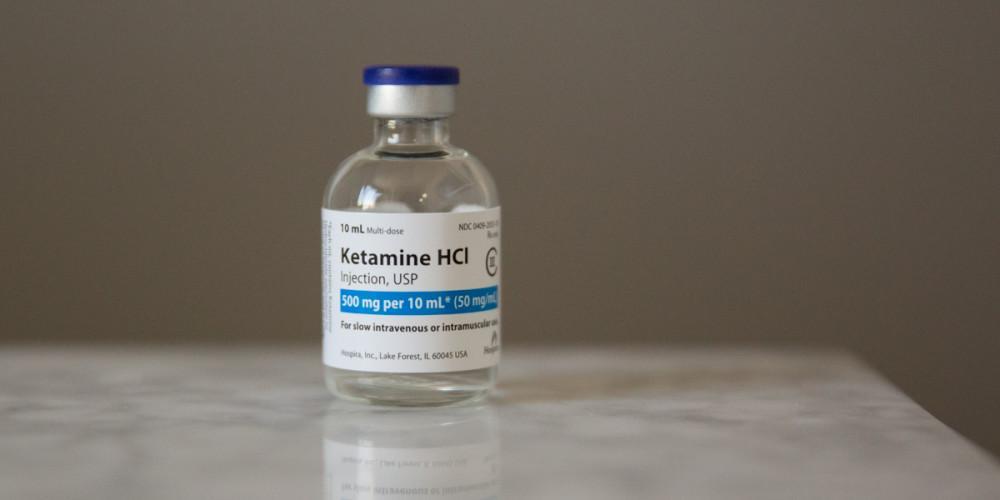
The misuse of ketamine in the UK is becoming an alarming public health concern. Once primarily used as an anesthetic, ketamine has gained popularity as a recreational drug, especially among younger age groups. Rising usage rates have been stirring significant concern due to the drug’s potential for addiction and harmful effects on physical health, such as the development of “ketamine bladder” and other severe urinary tract issues.
The scale of this problem becomes more apparent when considering the UK’s rising statistics. In recent years, ketamine use among people aged 16-24 has increased notably. The recreational allure of the drug heightens the risks of its misuse, making the need for awareness and intervention more urgent. For those concerned about ketamine use, a drug test for ketamine can provide fast and accurate detection, helping individuals take the necessary steps to address this issue.
Addressing the growing concern requires collaboration from public health officials, policymakers, and communities to manage the rising trend of recreational ketamine use effectively. Understanding the implications and sharing knowledge about the risks associated with ketamine misuse is crucial in crafting strategies to mitigate its impact on individuals and society at large.
Join The European Business Briefing
New subscribers this quarter are entered into a draw to win a Rolex Submariner. Join 40,000+ founders, investors and executives who read EBM every day.
SubscribeUnderstanding Ketamine and Its Use in the UK
Ketamine is a powerful anaesthetic that has found use beyond medical settings, particularly as a recreational drug. Its impact on public health, particularly among young people, is significant, shaped by its pharmacological profile, legal status, and popularity in the recreational scene.
Pharmacological Profile of Ketamine
Ketamine is primarily known for its use as an anaesthetic in medical settings due to its ability to induce relaxation, dissociation, and euphoria. It acts on the central nervous system by blocking NMDA receptors, which can alter perceptions and lead to hallucinations. While effective for pain: it can increase blood pressure and heart function, making it unsafe for some patients.
In non-medical contexts, the drug’s dissociative effects are often sought for recreational purposes. Users experience altered realities and a sensation of detachment from the environment. Long-term misuse can lead to serious health issues, including urinary tract damage known as ketamine bladder syndrome.
Ketamine as a Recreational Drug
In the UK, ketamine became popular as a party or club drug, especially among young people. Its appeal lies in its ability to produce a sense of euphoria and dissociation, offering a short-lived escape. The growth of its misuse has been attributed to social media, where its effects are often glamorized.
Recreational use began gaining traction in the 1990s, and the trend has continued, with an increase noted in recent years. Availability on the illicit market and its relatively lower cost compared to drugs like cocaine and MDMA contribute to its widespread use. This accessibility poses a public health challenge as addiction rates and associated harms grow.
Legal Status and Classification
In the UK, ketamine is classified as a Class B drug under the Misuse of Drugs Act. This classification reflects its potential for harm and misuse, despite its legitimate medical applications. Possession without prescription is illegal, and punishable by severe penalties, including fines and imprisonment.
Authorities are vigilant, intercepting ketamine trafficked primarily from countries like India, where it is cheaply produced. Despite these efforts, the illicit market persists, fueled by continuous demand. Regulatory measures aim to curb non-medical use, yet challenges remain in balancing control and ensuring availability for medical needs.
Public Health Implications and Response
With the increasing prevalence of ketamine misuse in the UK, addressing the resulting health risks and implementing effective public health responses is crucial. Key areas of concern include health risks from recreational use, government policies, and strategies to combat addiction and abuse.
Ketamine Misuse and Health Risks
Recreational use of ketamine, often referred to as “Special K,” is associated with significant health risks. These include physical complications such as ketamine bladder syndrome, which causes painful urination, and can lead to bladder damage. Ketamine misuse may also result in mental health challenges like panic attacks, memory loss, and dependence, increasing the burden on mental health services.
Young adults, a particularly vulnerable group, often seek ketamine for its dissociative effects, but this self-medicating behavior can backfire. Public health messaging about the dangers of ketamine aims to raise awareness of these risks. Emergency medicine services have reported an increase in cases related to ketamine misuse, highlighting the need for targeted harm-reduction strategies.
The UK’s Approach to Ketamine Concerns
The UK’s strategy involves several proactive measures to address ketamine misuse as a public health concern. Government reports recommend increasing drug education programs to inform the public, particularly young adults, about the dangers. In England and Wales, there has been an emphasis on improving public health messaging to deter recreational use and promote safe practices.
Drug treatment funding has been allocated to support mental health services and addiction recovery programs. Collaboration with organizations like Rehabs UK aims to provide comprehensive care for individuals struggling with ketamine abuse. Efforts also include monitoring ketamine availability to minimize non-medical usage and its associated public health consequences.
Addressing Ketamine Addiction and Abuse
Effective intervention requires a multifaceted approach, including therapy, rehabilitation, and mental health support. Therapy focuses on addressing not only the physical dependency but also the underlying mental health issues contributing to addiction. Rehab centers across the UK are integral in offering structured support and recovery options for those affected by ketamine misuse.
Public health initiatives encourage partnerships with healthcare providers to ensure that individuals receive appropriate mental health support. These efforts are vital for promoting recovery and preventing relapse. The integration of drug education and harm reduction strategies enhances efforts to curb ketamine abuse, ultimately aiming to improve public health outcomes and reduce addiction rates.
Conclusion
Ketamine misuse in the UK is a complex issue with serious implications for public health and safety. Despite its medical benefits as an anaesthetic, recreational use poses significant risks including addiction and health complications. As a class B drug, ketamine’s illegal status underlines the gravity of its misuse.
Authorities and healthcare professionals are increasingly concerned about the rising prevalence among young people. Their efforts to address the misuse must continue to evolve to better manage the impacts on society. Coordinated strategies and public awareness are essential in curbing the negative effects of ketamine misuse.