





























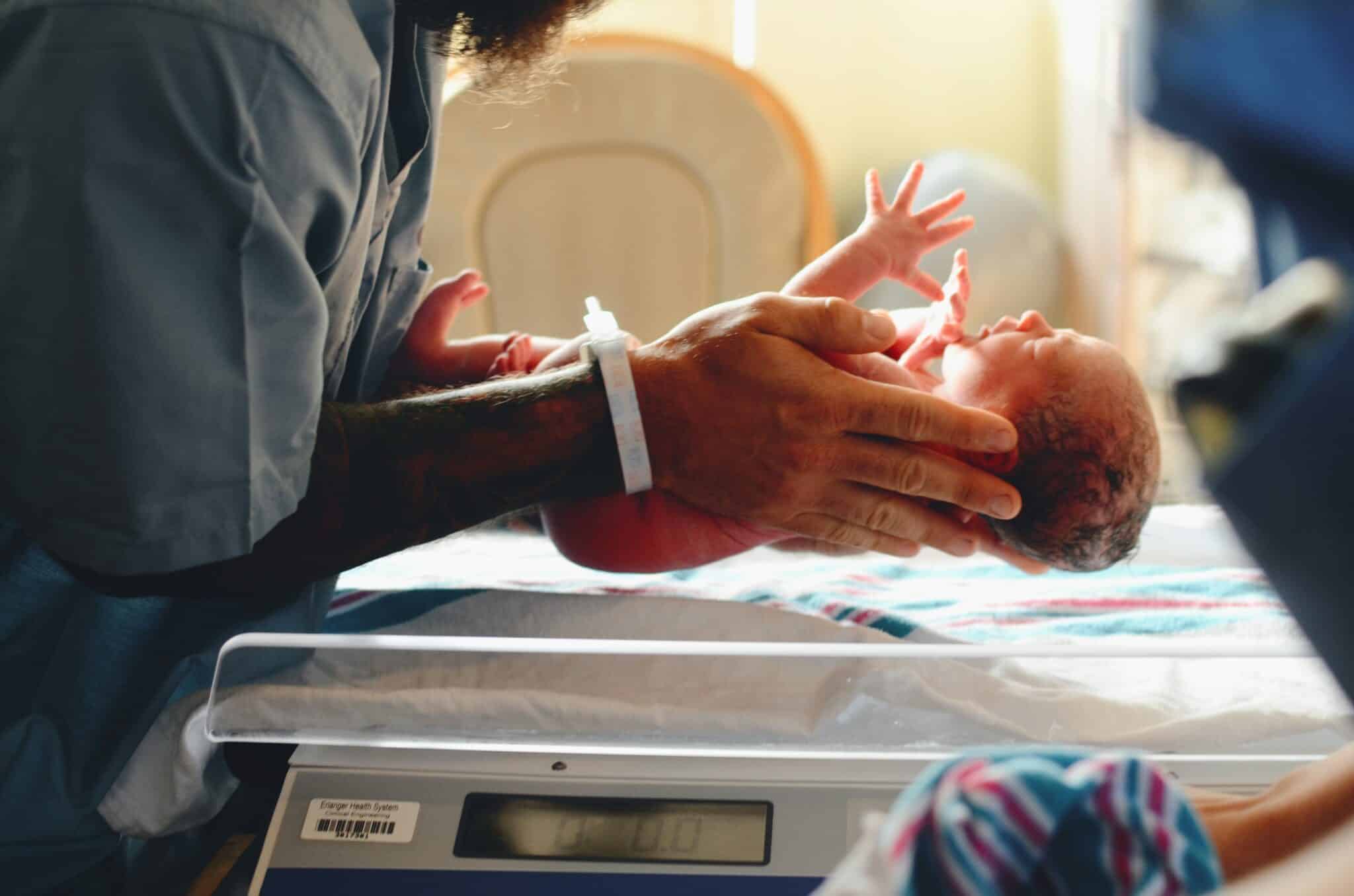
Families are often left facing unexpected medical care, emotional stress, and difficult questions when a newborn suffers an injury during labor or delivery. Birth injuries result from various factors, including complications and negligence, which makes it difficult to determine the responsible party in many cases.
That is why families must understand what qualifies as a birth injury, how they happen, and when healthcare providers may be held accountable. They must know what steps to take in evaluating and pursuing a case. This updated July 2026 guide discusses what birth injuries are and who can be legally responsible for them.
What Are Birth Injuries and How Do They Happen?
Birth injuries are physical harm or damage that happens to a baby during delivery. Also called neonatal birth trauma, these injuries are not common. According to a National Library of Medicine publication, many minor birth injuries heal on their own over time. These injuries can be severe in rare cases, leading to disabilities.
Join The European Business Briefing
New subscribers this quarter are entered into a draw to win a Rolex Submariner. Join 40,000+ founders, investors and executives who read EBM every day.
SubscribeSince it is not possible to completely control how a birth goes, some birth injuries cannot be avoided. However, others occur due to mistakes by doctors, midwives, or nurses during childbirth. These injuries may happen as a result of the following:
- Intense compression or contractions during labor
- Prolonged labor
- Misuse of assisted delivery tools
- Breech deliveries
The most common birth injuries:
- Scalp and skin injuries
- Bone fractures
- Nerve damage
- Brain and head trauma
Tips for avoiding birth injuries:
- Attend prenatal checkups
- Clarify intervention preferences
- Create emergency contingencies
- Track fetal movement daily
Who Is Legally Responsible for a Birth Injury?
The legal responsibility for a birth injury may fall on nurses, doctors, or hospitals when there are signs of medical negligence. For instance, doctors may be liable if they fail to spot fetal distress, misuse tools like forceps, or delay a C-section.
Similarly, if nurses or midwives fail to monitor vital signs or report worsening symptoms in a timely manner, they can be held accountable. Hospitals and clinics are also held responsible for staff errors or for keeping broken and unsafe medical gear.
Ways to hold responsible parties accountable:
- Medical malpractice lawsuits
- Institutional complaints and investigations
- Product liability actions
- Medical licensing board reports
Expected outcome: Financial compensation for ongoing care, formal institutional investigations, and systemic safety changes.
Resources Organizations for Birth Injury Victims and Their Families
Several dedicated organizations offer support, guidance, and advocacy for families affected by birth injuries. These organizations help families access the financial, medical, and legal support they need. Here are four of them:
Birth Injury Help Center
Definition and causes of birth injury: Oxygen deprivation, difficult or prolonged labor, improper use of delivery tools, and failure to monitor fetal distress
Common conditions: Cerebral palsy, Erb’s palsy, brain damage, delivery complications, and prenatal problems.
Legal process: Reviewing medical records, consulting experts, filing a medical malpractice claim, and negotiating settlements or going to trial.
Compensation types: Medical bills, ongoing therapy costs, assistive equipment, pain and suffering, and long-term care.
Statute of limitations: State-specific legal deadlines ranging from one to several years from the child’s birth or discovery of the injury.
No-fault/Alternative compensation programs: State-backed funds providing compensation for severe neurological injuries without needing to prove malpractice in court.
Free case evaluation/Contingency fee structure: Does not charge for the resources it offers.
Choosing an attorney: The organization positions itself as a neutral resource and does not recommend attorneys.
Use cases: Families looking for information on birth injuries, parents faced with delivery complications, and those dealing with prenatal problems.
The Birth Injury Help Center is an online resource center for individuals and families seeking information on birth injuries. It provides information on financial assistance and public benefit programs. With about one in 33 babies born with a birth defect in the U.S., this organization offers details on treatment options and educational programs.
Pros
- Access to specific information
- Informational videos on birth injuries
Cons
- Does not recommend attorneys
Birth Injury Justice Center
Definition and Causes of Birth Injury: Oxygen deprivation, delayed C-sections, prolonged labor, misuse of delivery tools (vacuum/forceps), and failure to monitor fetal heart rates.
Common Conditions: Cerebral palsy, hypoxic-ischemic encephalopathy, Erb’s palsy/brachial plexus, physical trauma.
Legal Process: Case review, filing a claim, discovery, negotiation, and trial.
Compensation Types: Settlement for medical expenses, therapies, and non-economic damages.
Statute of Limitations: Varies strictly by state/region, often one to three years from the date of the injury, or until the child reaches a certain age of majority.
No-Fault/Alternative Compensation Programs: Specific states feature neurological injury compensation funds that provide no-fault benefits for qualifying birth-related injuries regardless of explicit malpractice.
Free Case Evaluation/Contingency Fee Structure: Free evaluation, and attorneys take a percentage only if they successfully recover financial compensation.
Choosing an Attorney: Look for dedicated birth injury or medical malpractice lawyers, and verify past recoveries or settlements.
Use Cases: Parents seeking settlement for lifelong medical care, special equipment, or housing accommodations, and families trying to understand if a traumatic birth diagnosis was preventable.
The Birth Injury Justice Center is an advocacy and resource organization that connects families affected by preventable birth injury with legal and medical guidance. According to their LinkedIn profile, they educate families who have children diagnosed with birth injuries. With cerebral palsy alone affecting approximately one in 345 children in the U.S., this organization provides evaluations and access to medical malpractice attorneys.
Pros
- Access to free medical assessments
- Contingency fee model
Cons
- Only acts as a legal referral hub
Birth Injury Guide
Definition and Causes of Birth Injury: Preventable medical errors, oxygen deprivation, delayed emergency C-sections, or excessive physical force.
Common Conditions: Cerebral palsy, hypoxic ischemic encephalopathy (HIE), brachial plexus injuries, and intracranial hemorrhages.
Legal Process: Document collection, expert review, filing, and resolution.
Compensation Types: Settlement for medical costs, therapy expenses, and non-economic damages.
Statute of Limitations: Varies widely by jurisdiction, typically restricting birth injury claims to one to three years.
No-Fault/Alternative Compensation Programs: Some states operate special legislative programs that bypass traditional tort litigation for qualifying severe neurological conditions.
Free Case Evaluation/Contingency Fee Structure: No upfront cost, and attorneys collect payment only if they secure a financial recovery or settlement.
Choosing an Attorney: Prioritize legal counsel with a proven track record solely in birth trauma and medical malpractice litigation.
Use Cases: Parents who want to know if an unexpected diagnosis requires a formal legal review, and those seeking definitions of infant medical conditions.
The Birth Injury Guide is a patient advocacy and educational web platform based in Houston, Texas. It provides families with data on medical negligence, legal pathways, and financial recovery options. Since 50% of birth injuries could be prevented with proper medical care, this organization offers tools to review cases, medical definitions, and legal rights.
Pros
- Free case evaluations
- Educational layout for stressed parents
Cons
- Geographic limitations
Birth Injury Center
Definition and Causes of Birth Injury: Medical errors, delayed emergency C-sections, oxygen deprivation, or excessive physical force.
Common Conditions: Cerebral palsy, hypoxic-ischemic encephalopathy (HIE), Erb’s palsy, fetal asphyxia, and newborn cephalohematoma.
Legal Process: Involves filing a medical malpractice lawsuit, gathering evidence, and either reaching a settlement or proceeding to trial.
Compensation Types: Medical bills, therapy costs, assistive equipment, pain and suffering, long-term care, and occasionally punitive damages to punish severe negligence.
Statute of Limitations: Varies strictly by state, usually one to three years from the date of the injury.
No-Fault/Alternative Compensation Programs: State-backed funds may provide compensation for severe injuries without requiring proof of malpractice in court.
Free Case Evaluation/Contingency Fee Structure: Offers free case evaluations, and attorneys work on a contingency fee basis.
Choosing an Attorney: Choose a specialized medical malpractice lawyer with a proven track record, financial resources for litigation, and a contingency-fee-based approach.
Use Cases: Getting legal aid for medical malpractice, researching specific birth trauma diagnoses, and finding financial support resources for long-term infant care.
The Birth Injury Center is an organization that provides educational resources on birth trauma, while connecting families with legal and medical professionals. It covers birth injury conditions, the legal process, and compensation, given that children with cerebral palsy incur medical costs of $22,383 per year on average.
Pros
- Connects families with medical malpractice firms
- Free case evaluations
Cons
- Limited attorney selection
Comparing Resource Organizations for Birth Injury Victims
For families seeking helpful birth injury resources, choosing a single resource organization can be tricky. Since most offer a similar level of support, advocacy, and guidance, here is how these top options compare against each other:
| Resource Organization | Key Feature | Best For | Limitation |
| Birth Injury Help Center | Educational resources and financial assistance information | Families seeking general birth injury information | Does not recommend attorneys |
| Birth Injury Justice Center | Free medical assessments and legal referrals | Parents exploring prevention and potential compensation | Tilts toward being a legal referral hub |
| Birth Injury Guide | Educational resources and free case evaluations | Parents seeking medical condition information and legal reviews | Geographic limitations |
| Birth Injury Center | Connects families with medical malpractice firms | Families seeking legal help and long-term care resources | Limited attorney selection |
Conclusion
You now better understand birth injuries, can identify potential causes, and determine who may be legally responsible when negligence is involved. Reviewing medical records, understanding available legal options, and exploring support organizations can help families make informed decisions.
Next Steps
- Review medical records and record the circumstances surrounding the birth injury
- Consult a qualified medical malpractice or birth injury attorney
- Research available compensation programs and legal deadlines in your state
- Compare reputable birth injury organizations for medical, financial, and legal support
FAQ
What is the difference between a birth injury and a birth defect?
A birth injury happens during labor or delivery, while a birth defect develops before birth. Birth injuries result from complications or preventable medical negligence.
How do I know if my child’s birth injury was caused by medical negligence?
Medical negligence may be involved when healthcare providers fail accepted standards and cause avoidable harm. Medical records, expert reviews, and legal consultations help determine potential responsibility.
What compensation is available in a successful birth injury lawsuit?
Successful claims often cover medical expenses, rehabilitation, therapy, assistive devices, and lost future earnings. They also cover pain and suffering and ongoing care costs for children with permanent disabilities.






